
Warehouse Roof Waterproofing Solutions
Ensuring Long-Lasting Protection and Structural Integrity

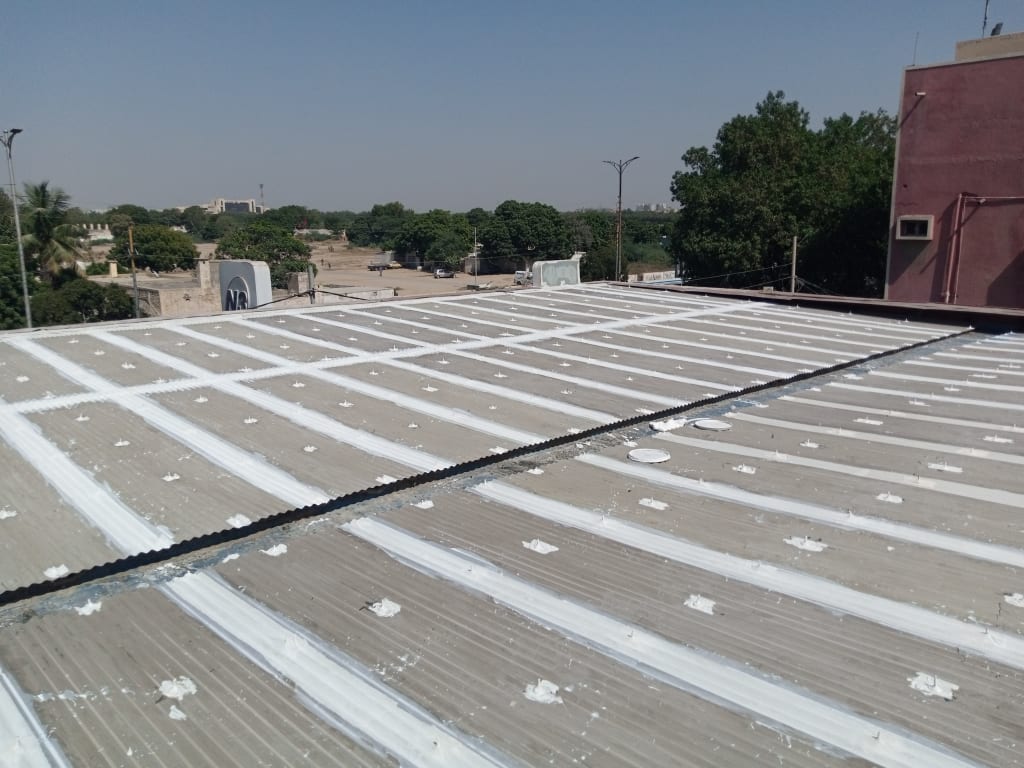
Warehouses often feature asbestos or galvanized iron sheet roofs, which are highly susceptible to water infiltration, leading to long-term structural damage. Proper waterproofing is essential to maintain durability and ensure operational efficiency. This article explores the best waterproofing techniques for warehouses, comparing different materials and methods for optimal results.
Importance of Waterproofing Warehouse Roofs
Warehouses store valuable goods, and any water leakage can lead to significant financial losses due to product damage and increased maintenance costs. The frequent exposure of metal sheet roofs to varying weather conditions causes rust, corrosion, and expansion-contraction effects that weaken the structure over time. Effective waterproofing prevents these issues, enhances energy efficiency, and extends the lifespan of the roofing system.
A well-designed waterproofing system not only prevents water ingress but also enhances the roof's longevity and improves thermal performance. By choosing the right waterproofing method, warehouses can significantly reduce repair costs and ensure a safe and dry environment for stored goods and equipment.
Choosing the Right Waterproofing Method
There are several warehouse waterproofing solutions available, but choosing the right one depends on factors such as durability, environmental conditions, and cost-effectiveness. The three most common waterproofing materials for warehouse roofs include:
1. Bitumen-Based Waterproofing
- Bitumen-based waterproofing is a traditional method that provides a thick protective layer over metal sheets. However, it has significant drawbacks:
- Heat Sensitivity: Bitumen softens and melts under high temperatures, causing leaks at the sheet joints.
- Pinholes and Weaknesses: It fails to fully seal small gaps and pinholes, allowing moisture penetration.
- High Maintenance: Frequent reapplication is needed, increasing maintenance costs over time.
2. Polyurethane (PU) Waterproofing
- Polyurethane-based waterproofing offers flexibility and water resistance, but it comes with certain limitations:
- Non-Fire Resistant: PU is not fireproof, making it less suitable for industrial settings where fire safety is a priority.
- UV Degradation: Prolonged exposure to sunlight can cause PU coatings to deteriorate.
- Higher Costs: PU waterproofing can be expensive compared to other options.
3. Water-Based Elastomeric Waterproofing
- Water-based elastomeric waterproofing is the most advanced and reliable solution for warehouse roofs. It provides superior performance due to:
- Seamless Protection: The application process includes fabric reinforcement on vertical and horizontal joints, transforming them into a strong waterproof membrane.
- Pin Hole Sealing: Elastomeric materials effectively fill pinholes and bolt gaps, ensuring complete waterproofing.
- Heat Reflective Coating: A final white reflective coat is applied to reduce heat absorption, lowering the internal temperature of the warehouse and improving energy efficiency.
- Durability: This method offers long-lasting protection with minimal maintenance requirements.
Application Process for Water-Based Elastomeric Waterproofing
To ensure a robust and durable waterproofing system, the following steps are implemented:
Surface Preparation
- The roof is thoroughly cleaned to remove dirt, rust, and loose particles.
- Any pre-existing coatings or failed waterproofing layers are removed.
Joint Reinforcement
- A specialized cotton fabric is applied to all vertical and horizontal joints.
- This fabric is embedded in elastomeric material, transforming into a strong membrane that prevents water penetration.
Pin Hole and Bolt Sealing
- Elastomeric sealant is applied over bolts and pinholes to ensure complete coverage.
- This step eliminates any weak points where water can seep through.
Final Reflective Coating
- A single, seamless white elastomeric coat is applied across the entire roof surface.
- This coating enhances durability, improves heat resistance, and prolongs the life of the waterproofing system.
Why Choose Water-Based Elastomeric Waterproofing?
Among all the available waterproofing solutions, water-based elastomeric waterproofing stands out due to its cost-effectiveness, durability, and heat-resistant properties. This polymerized chemical application method ensures:
- Maximum protection against leaks and structural degradation.
- Improved energy efficiency due to reflective properties.
- Long-term performance with reduced maintenance costs.
Conclusion
Warehouse roofs require a specialized approach to waterproofing, and choosing the right solution is critical to maintaining structural integrity. While bitumen and polyurethane offer temporary fixes, water-based elastomeric waterproofing with reinforced fabric application provides the most durable and reliable solution. Investing in this advanced waterproofing system enhances the warehouse's lifespan, protects stored goods, and reduces energy consumption.
For expert advice and professional waterproofing services, consult a certified waterproofing company to ensure the best application for your warehouse roofing system.
About the Creator
Abdul Samad Karar
Structural Engineer
Enjoyed the story? Support the Creator.
Subscribe for free to receive all their stories in your feed.
Comments
There are no comments for this story
Be the first to respond and start the conversation.