
Vanished Forever: A Look at the Extinct Animals of the Past Decade
Exploring the Tragic Loss: Discover the Unique Species that Have Disappeared from our Planet in the Last 10 Years

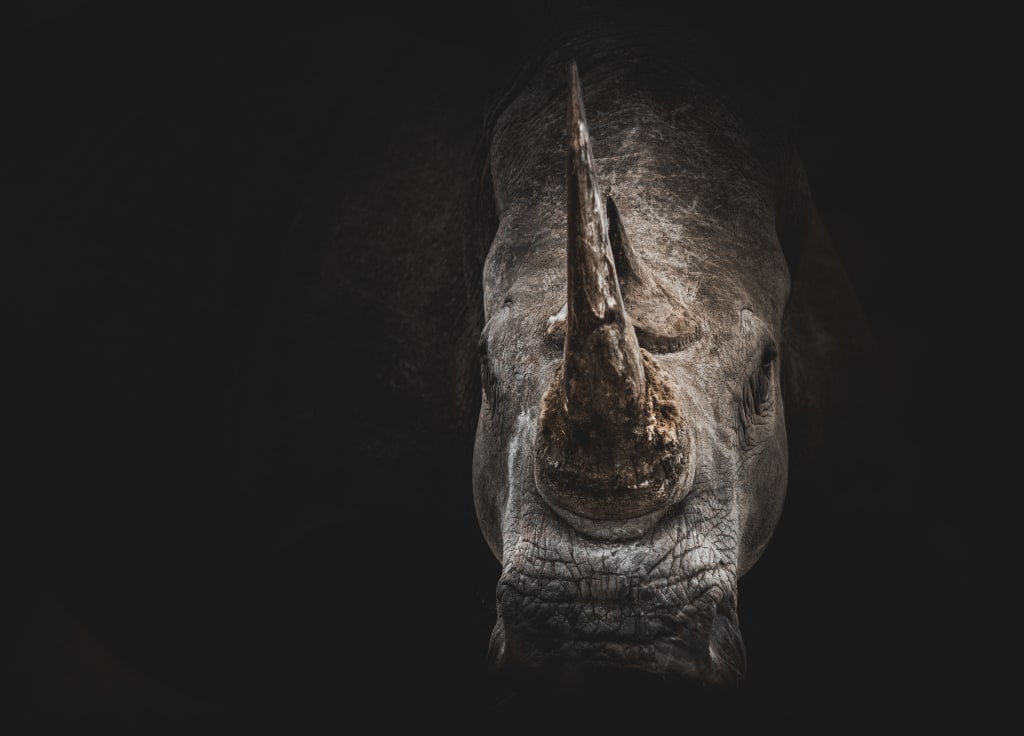
The Earth is home to a remarkable variety of plant and animal species, each contributing to the intricate web of life. However, in the face of numerous environmental challenges, some species have met an unfortunate fate, becoming extinct. In this article, we delve into the heart-wrenching topic of extinct animals from the past decade. By shedding light on these losses, we hope to raise awareness about the pressing need for conservation efforts and to emphasize the importance of protecting our planet's biodiversity.
The extinction of any species has far-reaching consequences, impacting ecosystems and the delicate balance of nature. When a species disappears, it can disrupt food chains, reduce genetic diversity, and alter habitats. These effects can ripple throughout the ecosystem, leading to imbalances and potential cascading effects on other species. Understanding the impact of extinction highlights the urgency of protecting endangered species and taking proactive conservation measures.
In recent years, our planet has witnessed the unfortunate extinction of several remarkable animal species. Let's explore a few notable examples, their habitats, and the reasons behind their disappearance.
Yangtze River Dolphin (Lipotes vexillifer):
The Yangtze River Dolphin, also known as the Baiji, once inhabited the Yangtze River in China. This species was known for its unique adaptation to the river environment. It had a long, slender body, a distinctive beak, and small eyes. Its most remarkable feature was its ability to navigate and locate prey using echolocation.
Tragically, the main reason for the Yangtze River Dolphin's extinction was human activity. Overfishing, pollution, habitat degradation, and boat collisions significantly impacted its population. The construction of dams and waterway infrastructure further fragmented its habitat, isolating individuals and reducing breeding opportunities. Despite conservation efforts, the Baiji was declared functionally extinct in 2006, making it the first cetacean species to vanish due to human causes.
Pinta Island Tortoise (Chelonoidis abingdoni):
The Pinta Island Tortoise was a remarkable reptile species native to the Galápagos Islands in Ecuador. It was part of the giant tortoise family and possessed a distinctive saddleback-shaped shell. The most famous individual of this species was Lonesome George, who lived on the island alone for decades, earning him the title of the rarest creature in the world.
The Pinta Island Tortoise faced several challenges that led to its extinction. The introduction of non-native species, such as goats and rats, devastated its habitat and depleted its food sources. The tortoise population declined drastically, and despite extensive search efforts, no other individuals were found. In 2012, Lonesome George passed away, marking the end of the Pinta Island Tortoise lineage.
Sumatran Rhino (Dicerorhinus sumatrensis):
The Sumatran Rhino, a unique and ancient species, once roamed the dense forests of Southeast Asia. It was the smallest and hairiest of all rhinoceros species, known for its reddish-brown skin and two prominent horns.
Unfortunately, habitat loss and poaching were the primary factors leading to the extinction of the Sumatran Rhino. Deforestation and illegal hunting significantly reduced its available habitat and decimated the population. With fewer than 80 individuals estimated to remain, the Sumatran Rhino is critically endangered, and without immediate action, it may face complete extinction.
The loss of animal species over the past decade serves as a stark and sobering reminder of the fragility of life on our planet. Each extinction represents a profound loss, erasing a unique thread from the intricate tapestry of Earth's biodiversity. It is crucial that we recognize the devastating consequences of these extinctions and take immediate action to prevent further losses.
Through increased education and awareness, we can foster a deep appreciation for the intricate interconnections between species and ecosystems. By understanding the causes and effects of extinction, we can inspire individuals, communities, and governments to prioritize conservation efforts and implement sustainable practices.
Conservation initiatives play a vital role in the preservation of Earth's biodiversity. By establishing protected areas, implementing species recovery programs, and combating illegal wildlife trade, we can provide a lifeline for endangered species teetering on the brink of extinction. Additionally, supporting organizations dedicated to research, habitat restoration, and public outreach can make a tangible difference in safeguarding vulnerable populations.
Embracing sustainable practices is equally essential. We must strive for responsible land and resource management, promoting ecosystem conservation and minimizing our ecological footprint. By adopting renewable energy sources, reducing waste, and making conscious consumer choices, we can mitigate the destructive impact of human activities on wildlife habitats.
In working towards a future where no more remarkable species vanish forever, we ensure a harmonious coexistence with the natural world. Each species has intrinsic value, contributing to the beauty, resilience, and functionality of our planet. Let us honor their existence by taking collective action, preserving biodiversity for future generations, and nurturing a world where all species can thrive.
About the Creator
AYMAN EL-JABARI
Civil Engineer & Writer with 5+ years of experience. Passionate about sustainable infrastructure and design. Dedicated to advancing the field and excelling in the role of a writer
Enjoyed the story? Support the Creator.
Subscribe for free to receive all their stories in your feed.
Comments
There are no comments for this story
Be the first to respond and start the conversation.