
Upper Mustang Trek Guide: Explore Nepal’s Hidden Himalayan Kingdom
A complete travel guide to the Upper Mustang Trek. Discover the land beyond the mountains where time stands still.
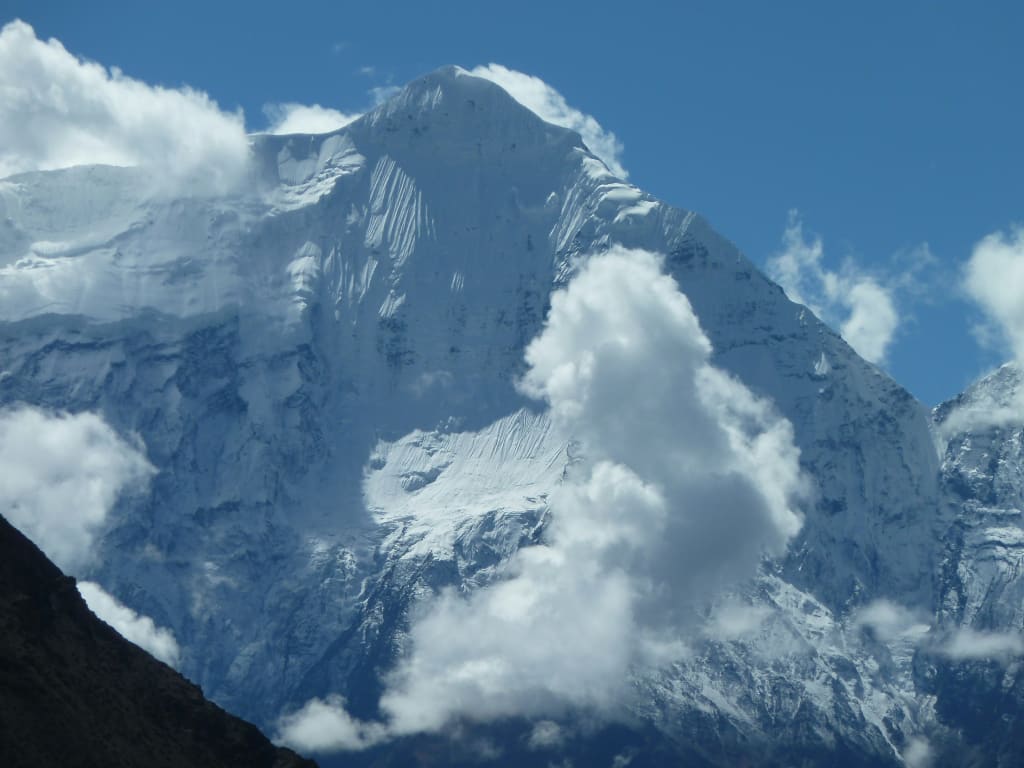
Trekking in Nepal usually brings to mind green hills, snowy peaks, and busy trails. Upper Mustang, however, feels like an entirely different world. Located in the northern part of Nepal, near the Tibetan border, this region is dry, rugged, and full of history. It was once part of an independent kingdom, and its culture is closely tied to Tibet.
Unlike many other treks in Nepal, the Upper Mustang Trek is less about the mountains and more about the culture, the ancient lifestyle, and the otherworldly landscape. Think of desert cliffs, caves carved into hillsides, and villages where traditions haven’t changed in centuries.
Getting There: How to Reach the Upper Mustang Region
To begin your journey, you first need to get to Pokhara, a beautiful city in western Nepal. From there, you take a short but exciting flight to Jomsom, a small town in the Mustang District. This flight is often one of the highlights due to the dramatic views of the Annapurna and Dhaulagiri ranges.
Once you land in Jomsom, your trek begins. Most routes follow the Kali Gandaki River and pass through villages like Kagbeni, Chhusang, Samar, and eventually to Lo Manthang, the ancient capital of Upper Mustang.
Special Permits and Costs
Upper Mustang is a restricted area, which means you need special permits to enter. These include:
- Restricted Area Permit (RAP): USD 500 for the first 10 days, then USD 50 per day afterward
- Annapurna Conservation Area Permit (ACAP): USD 30
- Trekkers Information Management System (TIMS): Sometimes required, depending on your guide
You must trek with a licensed guide and through a registered trekking agency. Independent trekking is not allowed.
Best Time to Trek in Upper Mustang
The best part? Upper Mustang lies in the rain shadow, meaning it stays dry even during the monsoon. This makes May to October the best time to trek. While most parts of Nepal get heavy rain in summer, Upper Mustang is still accessible.
Spring (April-May) and Autumn (September-October) are especially good, offering clear skies and pleasant weather. These months are also great for experiencing local festivals and seeing the region at its most colorful.
What You’ll See Along the Way
Upper Mustang is not like the green trails of Annapurna or Everest. Its beauty lies in its rock formations, red cliffs, windswept valleys, and deep gorges. The villages along the way are made of mud-brick houses, prayer wheels spin in the wind, and you’ll see monks walking to ancient monasteries.
Highlights include:
- Lo Manthang: The walled city that once served as the capital of the Mustang Kingdom. Explore narrow alleys, royal palaces, and old monasteries.
- Chhoser Caves: Mysterious man-made caves believed to be centuries old.
- Monasteries: Places like Ghar Gompa and Thubchen Gompa reflect the region’s strong connection with Tibetan Buddhism.
- Cultural Encounters: Meet local people who still follow Tibetan customs and live traditional lifestyles.
Difficulty Level and Fitness Requirements
This is a moderate to challenging trek, not because of steep climbs but due to the dry climate, high altitude, and long walking days. Most of the route lies above 3,000 meters, and Lo Manthang sits at around 3,800 meters.
Proper acclimatization is important, even if the trail doesn’t involve extreme elevation gain. Trekkers should be in good health and able to walk 5-7 hours a day. It’s always best to prepare with light cardio and walking practice weeks before the trek.
Where You’ll Sleep and Eat
Accommodation in Upper Mustang is basic but comfortable. You’ll stay in teahouses or guesthouses run by local families. Rooms are usually simple with twin beds, shared bathrooms, and limited heating.
The food is also local and hearty. Expect Dal Bhat (rice and lentils), Tibetan bread, noodles, potatoes, and tea. Because everything is transported by mule or human, don’t expect luxury—but do expect warmth and hospitality.
Local Culture and Festivals
The people of Mustang are of Tibetan descent and follow Buddhist traditions. You’ll see prayer flags, mani walls, and chortens throughout the route. One of the biggest events in the region is the Tiji Festival, usually held in May in Lo Manthang. It celebrates the victory of good over evil and features colorful dances, masks, and rituals that are centuries old.
Being respectful of local customs, dressing modestly, and always asking before taking photos will help you connect better with the locals.
Tips for a Safe and Enjoyable Trek
- Stay hydrated – The dry climate makes it easy to get dehydrated.
- Layer your clothing – Mornings and evenings can be cold, while midday is often warm.
- Carry cash – There are no ATMs beyond Jomsom.
- Go slow – Take time to acclimatize and enjoy the scenery.
- Respect local traditions – This is not just a trek but a cultural experience.
Final Thoughts
The Upper Mustang Trek is more than just a hike. It’s a journey into a place where ancient ways of life continue to thrive, where nature paints the landscape in shades of red and gold, and where every village tells a story. If you're looking for a trek that combines natural beauty with deep cultural experiences, Upper Mustang is the perfect destination.
About the Creator
Enjoyed the story? Support the Creator.
Subscribe for free to receive all their stories in your feed.
Comments
There are no comments for this story
Be the first to respond and start the conversation.