
Upper Dolpo Trek Guide: Exploring Nepal’s Hidden Jewel
Overview
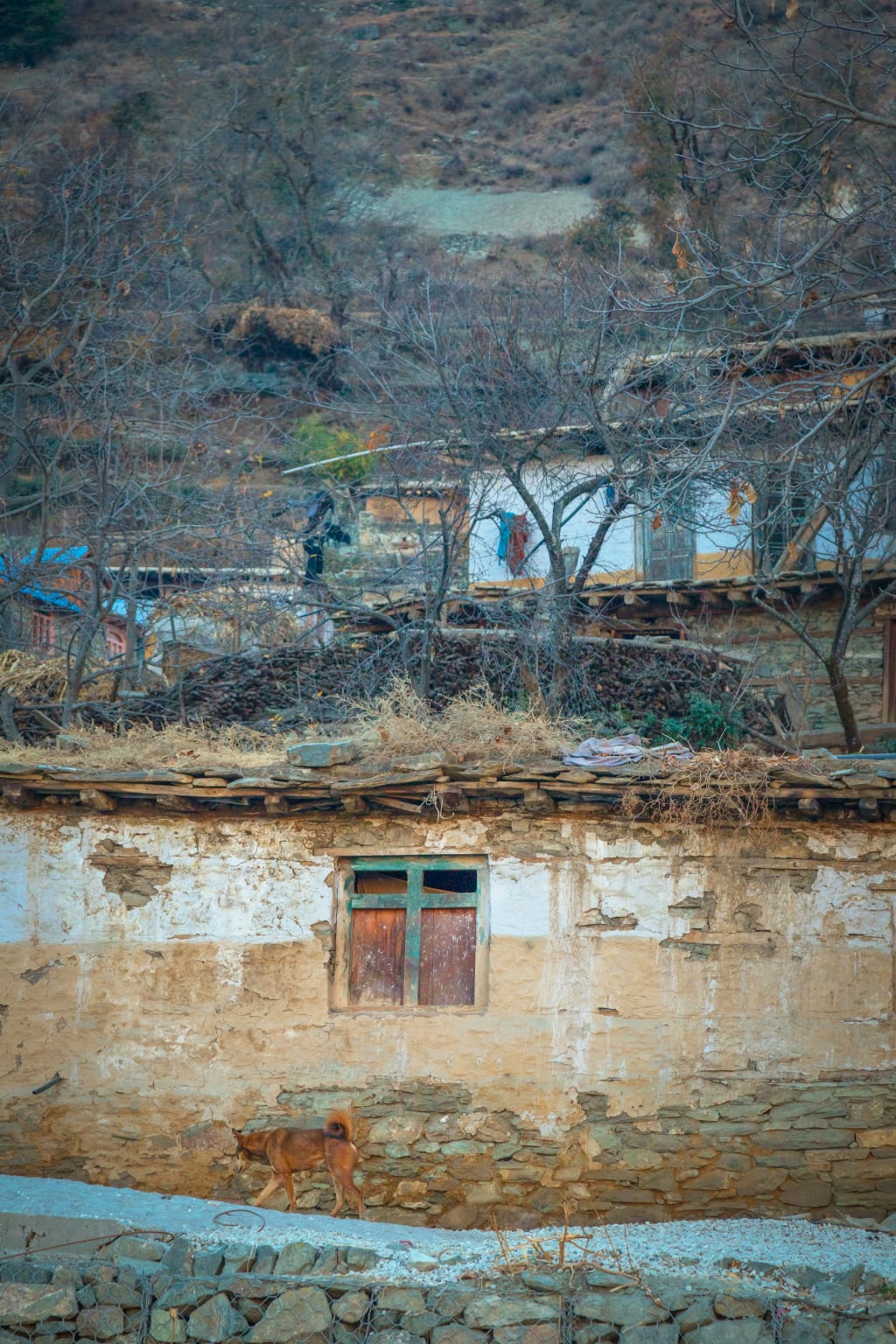
Upper Dolpo Trek takes you to one of Nepal's most remote and untouched regions, offering an experience like no other. This trek is perfect for adventurous trekkers seeking an off-the-beaten-path journey through rugged landscapes, ancient Tibetan culture, and high-altitude trekking challenges. Nestled in the far northwest of Nepal, the trek offers views of snow-capped peaks, pristine lakes, and mystical monasteries. Here's your complete guide to the Upper Dolpo Trek, ensuring you are well-prepared for this extraordinary adventure.
Overview of Upper Dolpo Trek
Upper Dolpo, located near the Tibetan border, is one of the most isolated and culturally rich regions of Nepal. The trek leads you through deep valleys, high-altitude passes, and traditional Tibetan villages. It is famous for its Buddhist monasteries, yak herders, and stunning landscapes, with Shey Phoksundo Lake being one of its main highlights. The area is also home to the Shey Phoksundo National Park, known for its wildlife and preserved ecosystem.
Due to its remote location, the Upper Dolpo Trek is more challenging than other popular trekking routes in Nepal. The trek requires a special permit and the support of a local guide, but the rewards in terms of cultural insights and natural beauty are immense.
Trek Duration and Itinerary
The Upper Dolpo Trek is typically done in 18 to 22 days, depending on the chosen itinerary. Here's a standard breakdown of the trek:
Day 1: Arrival in Kathmandu
Upon arrival in Kathmandu, meet with your trekking agency, complete necessary paperwork, and prepare for your journey. Spend the night exploring Kathmandu, with its temples and vibrant markets.
Day 2: Flight to Nepalgunj
Catch a flight from Kathmandu to Nepalgunj (1 hour), a gateway town to western Nepal. Nepalgunj is known for its heat, so be prepared for a change in climate.
Day 3: Flight to Juphal and Trek to Dunai
Fly from Nepalgunj to Juphal (2,474 meters), a small town that serves as the starting point of your trek. From Juphal, trek to Dunai (2,140 meters), the administrative center of Dolpo. This initial trek takes around 3 hours.
Day 4: Trek to Tarakot
From Dunai, continue your trek towards Tarakot (2,500 meters), passing through lush forests and beautiful valleys. This 6-hour trek offers views of the Bheri River and is the perfect introduction to Dolpo's remote landscapes.
Day 5: Trek to Laini
Trek from Tarakot to Laini (3,100 meters), which takes approximately 6 hours. As you ascend, the landscape changes, with more dramatic views of the surrounding peaks and alpine forests.
Day 6: Trek to Uleri
This is a long trekking day as you make your way from Laini to Uleri (3,500 meters), located in a high-altitude area. The trek takes about 6-7 hours and offers stunning views of the surrounding terrain.
Day 7: Trek to Phoksundo Lake
From Uleri, trek to Shey Phoksundo Lake (3,600 meters), one of the most beautiful and famous spots in Dolpo. The trek takes about 6-7 hours, with views of towering cliffs and the lake's shimmering turquoise waters.
Day 8: Rest Day at Phoksundo Lake
Take a rest day to explore the lake and its surroundings. You can visit the Phoksundo Monastery, take short hikes, or simply relax and soak in the peaceful environment.
Day 9: Trek to Sangta
Leave Phoksundo and head towards Sangta (3,200 meters). This trek, lasting 6-7 hours, will introduce you to the remoteness of Dolpo as you pass through isolated settlements and alpine meadows.
Day 10: Trek to Dho Tarap
Trek from Sangta to Dho Tarap (4,090 meters), a Tibetan village that sits in a high-altitude valley. This 7-8 hour trek will test your endurance, but the chance to experience Tibetan culture makes it worthwhile.
Day 11: Rest Day at Dho Tarap
Dho Tarap is an important cultural hub for Tibetan Buddhists. Spend a day here to acclimatize to the altitude and explore the village, its monasteries, and local life.
Day 12: Trek to Numa La Base Camp
The journey from Dho Tarap to Numa La Base Camp (4,800 meters) takes about 6 hours. As you ascend, you'll pass through alpine meadows and begin to get a sense of the challenging terrain ahead.
Day 13: Cross Numa La Pass and Camp
Cross the Numa La Pass (5,190 meters), the highest point of the trek. This is the most challenging day, but the panoramic views from the pass are worth every step. Descend to camp on the other side at 4,700 meters.
Day 14: Trek to Yak Kharka
Descend to Yak Kharka (4,300 meters), a beautiful valley that provides great views of the surrounding mountains. The trek takes about 6 hours, and you'll enjoy the tranquility of the alpine landscape.
Day 15: Trek to Ringmo
From Yak Kharka, head towards Ringmo (3,600 meters). This 5-hour trek takes you past remote villages and the stunning landscapes of the Dolpo region.
Day 16: Trek to Juphal
Trek back to Juphal (2,474 meters), following the same route you took earlier. This trek, taking around 6-7 hours, offers a peaceful end to your journey in Dolpo.
Day 17: Flight to Nepalgunj
Fly back to Nepalgunj from Juphal, and relax for the night in the town after completing your trek.
Day 18: Return to Kathmandu
Finally, fly from Nepalgunj to Kathmandu, where you can explore more of the city or simply rest after your remote and challenging trek.
Best Time to Trek
The best months for the Upper Dolpo Trek are autumn (September to November) and spring (March to May). These seasons offer clear skies, mild temperatures, and less risk of heavy snowfall or rain. Winter months (December to February) can be extremely cold, especially in higher altitudes, while the monsoon (June to August) can make the trails slippery and dangerous.
Permits and Documentation
The Upper Dolpo Trek requires a special Dolpo Restricted Area Permit, which can be obtained through a trekking agency. Additionally, you’ll need an Annapurna Conservation Area Permit (ACAP) for the conservation area you will trek through. These permits must be arranged in advance, as the Dolpo region is restricted for trekkers.
Safety Considerations
Acclimatization: Due to the high altitudes of this trek, proper acclimatization is essential to prevent altitude sickness. Take rest days and ascend slowly to allow your body to adjust to the elevation.
Physical Fitness: The trek is physically demanding, with long days and challenging terrain. Be sure to train and prepare beforehand.
Guides and Porters: Hiring a guide and porter is essential due to the remote nature of the trek. A guide will assist with navigation and safety, while a porter will carry your gear.
Weather Conditions: The weather can be unpredictable in the high mountains, so bring proper gear for cold, windy, and wet conditions.
Conclusion
The Upper Dolpo Trek is an extraordinary and rewarding adventure. With its challenging terrain, high-altitude passes, and remote villages, it offers a truly unique trekking experience. The trek combines natural beauty, cultural exploration, and the chance to experience a part of Nepal that few have the privilege to visit. If you're an experienced trekker looking for an adventure that takes you off the beaten path, the Upper Dolpo Trek is a journey that will leave you with lasting memories.
About the Creator
Enjoyed the story? Support the Creator.
Subscribe for free to receive all their stories in your feed.
Comments
There are no comments for this story
Be the first to respond and start the conversation.