
Upper Dolpo Trek Guide: Exploring Nepal’s Hidden Himalayan Paradise
Overview
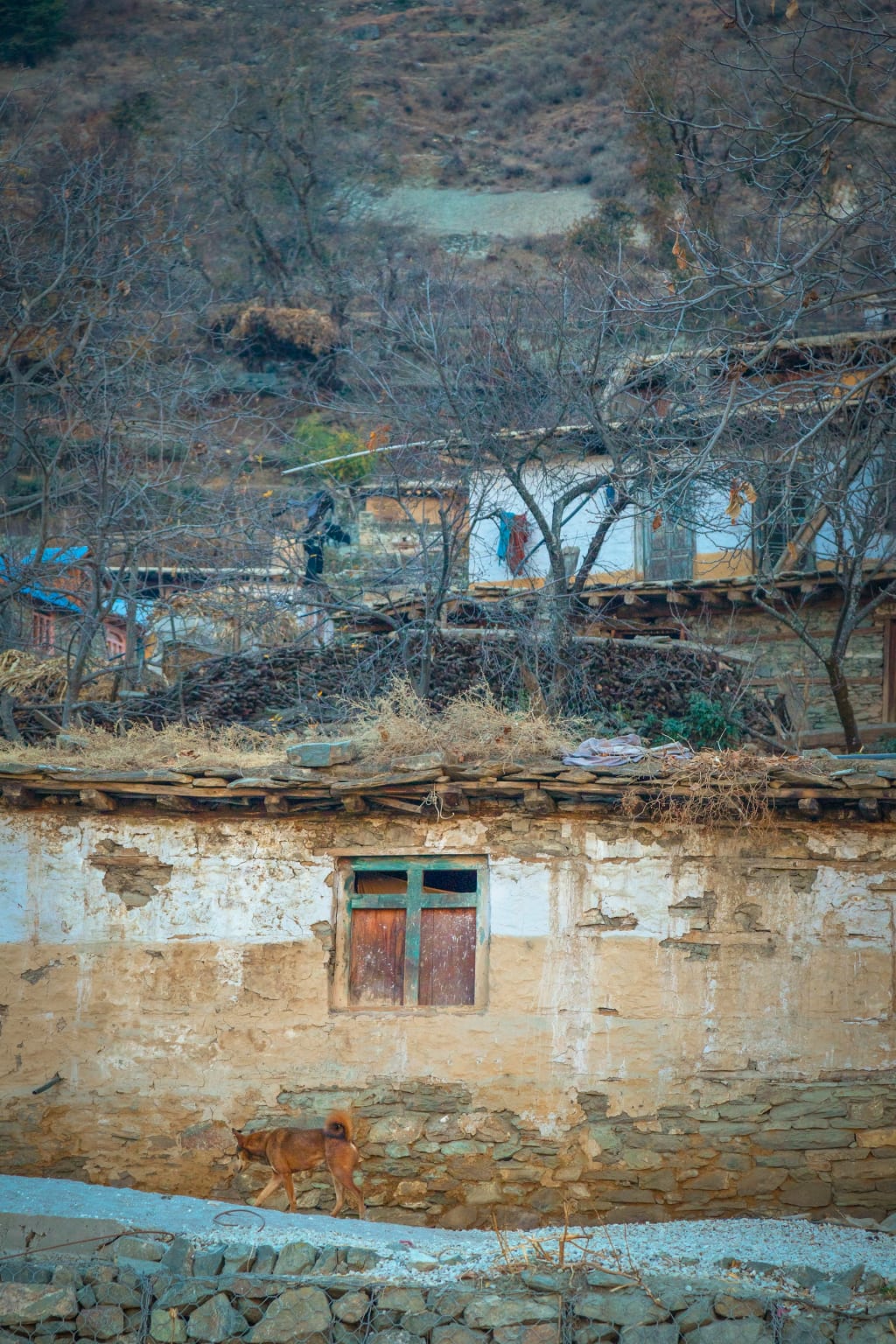
The Upper Dolpo Trek is one of Nepal’s most remote and culturally rich trekking routes. Known for its rugged terrain, ancient Tibetan culture, and stunning landscapes, the trek offers an unparalleled adventure. Situated in the rain-shadow region of the Himalayas, Upper Dolpo remains one of the least-explored areas of Nepal, making it a perfect destination for trekkers seeking isolation and authenticity.
Overview of the Upper Dolpo Trek
The Upper Dolpo Trek takes you deep into the heart of Dolpo, a remote region that lies in the far west of Nepal. It offers incredible views of snow-capped peaks, high-altitude lakes, and Tibetan Buddhist monasteries. The trek is a challenging journey, involving several days of walking at high altitudes, but it rewards adventurers with untouched natural beauty and a fascinating glimpse into the life of remote Himalayan communities.
Trekking Route and Key Stops
Day 1: Kathmandu to Nepalgunj – Your journey begins with a flight to Nepalgunj, a bustling town in the southwestern part of Nepal, where you’ll spend the night before heading deeper into Dolpo.
Day 2: Nepalgunj to Juphal – The flight from Nepalgunj to Juphal is a scenic route that takes you to the starting point of the trek. Upon arrival, you'll begin your walk towards the village of Dunai, the administrative center of Dolpo.
Day 3: Dunai to Tarakot – The trail follows the Bheri River, passing through terraced fields and traditional villages, eventually reaching Tarakot, a picturesque village with a rich history.
Day 4: Tarakot to Laini – The trek ascends through dense forests of juniper and pine, with occasional glimpses of the surrounding snow-capped peaks. Laini is a small village located in a peaceful valley.
Day 5: Laini to Nawarpani – Continuing through the rugged terrain, the trek reaches Nawarpani, where trekkers can rest and acclimatize. The village offers a glimpse into the daily life of the people of Dolpo.
Day 6: Nawarpani to Do Tarap – Do Tarap is one of the most important cultural and spiritual centers of Upper Dolpo, home to Tarap Valley. The area is known for its Buddhist monasteries and unique Tibetan-influenced architecture.
Day 7: Acclimatization Day in Do Tarap – An essential acclimatization day, which may include visiting the ancient Sankar Monastery and exploring the surrounding areas.
Day 8: Do Tarap to Numa La Base Camp – The trek climbs to the base camp of the Numa La Pass (5,190 meters), the highest point of the trek. The ascent is challenging, but the views of the surrounding peaks make the effort worthwhile.
Day 9: Numa La Base Camp to Do Tarap – After crossing the Numa La Pass, trekkers descend back to Do Tarap, experiencing the rugged beauty of the region.
Day 10: Do Tarap to Yak Kharka – The trail leads to Yak Kharka, a traditional settlement where you may encounter yak herders and see the unique lifestyle of the people who live here.
Day 11: Yak Kharka to Phoksundo Lake – The trek continues towards the stunning Phoksundo Lake, one of the highest alpine lakes in Nepal. The turquoise water surrounded by snow-capped peaks is an unforgettable sight.
Day 12: Acclimatization Day at Phoksundo Lake – A rest day at Phoksundo Lake allows for exploration and relaxation. You can visit the nearby Shey Gompa, an ancient Tibetan Buddhist monastery.
Day 13: Phoksundo Lake to Juphal – The return leg of the trek takes you back to Juphal, passing through the same villages and terrain, with stunning views along the way.
Day 14: Juphal to Nepalgunj – After reaching Juphal, you’ll take a flight back to Nepalgunj and then return to Kathmandu.
Best Time to Trek
The Upper Dolpo Trek is best undertaken during the autumn (September to November) and spring (March to May). These months offer the clearest weather, with stable temperatures and great visibility of the surrounding peaks. The winter months can be extremely cold, while the summer monsoon season brings heavy rains, making the trail difficult and dangerous.
Acclimatization and Safety
Due to the high altitudes encountered on the Upper Dolpo Trek, acclimatization is crucial. The trek reaches elevations of over 5,000 meters (16,400 feet), so trekkers should take rest days and ascend gradually. Staying hydrated, maintaining a steady pace, and listening to your body are key to avoiding altitude sickness.
Given the remote location of Upper Dolpo, it is highly recommended to trek with an experienced guide and porter. These guides are familiar with the region and can ensure both your safety and a richer experience through their cultural insights.
What to Pack
Packing for the Upper Dolpo Trek requires careful attention to the region's weather conditions and the long duration of the trek. Essential items include:
- Warm, layered clothing for cold temperatures
- Waterproof trekking boots
- Trekking poles for stability
- Sunscreen, sunglasses, and lip balm for sun protection
- A sleeping bag rated for high altitudes
- A camera to capture the incredible landscapes
- First-aid kit and basic medications
- Snacks for energy on long trekking days
Conclusion
The Upper Dolpo Trek is an incredible journey through one of Nepal’s most remote and culturally rich regions. With its rugged terrain, stunning landscapes, and vibrant Tibetan culture, it offers a once-in-a-lifetime adventure for trekkers seeking solitude and authenticity. While challenging, the trek rewards adventurers with unforgettable experiences and spectacular views of the Himalayas, making it a must-do for seasoned trekkers.
About the Creator
Enjoyed the story? Support the Creator.
Subscribe for free to receive all their stories in your feed.
Comments
There are no comments for this story
Be the first to respond and start the conversation.