
Unveiling the Secrets of the Cosmos: 7 Unproven Space Mysteries that Captivate the Imagination
Embarking on a Journey of Cosmic Enigmas and Uncharted Territories
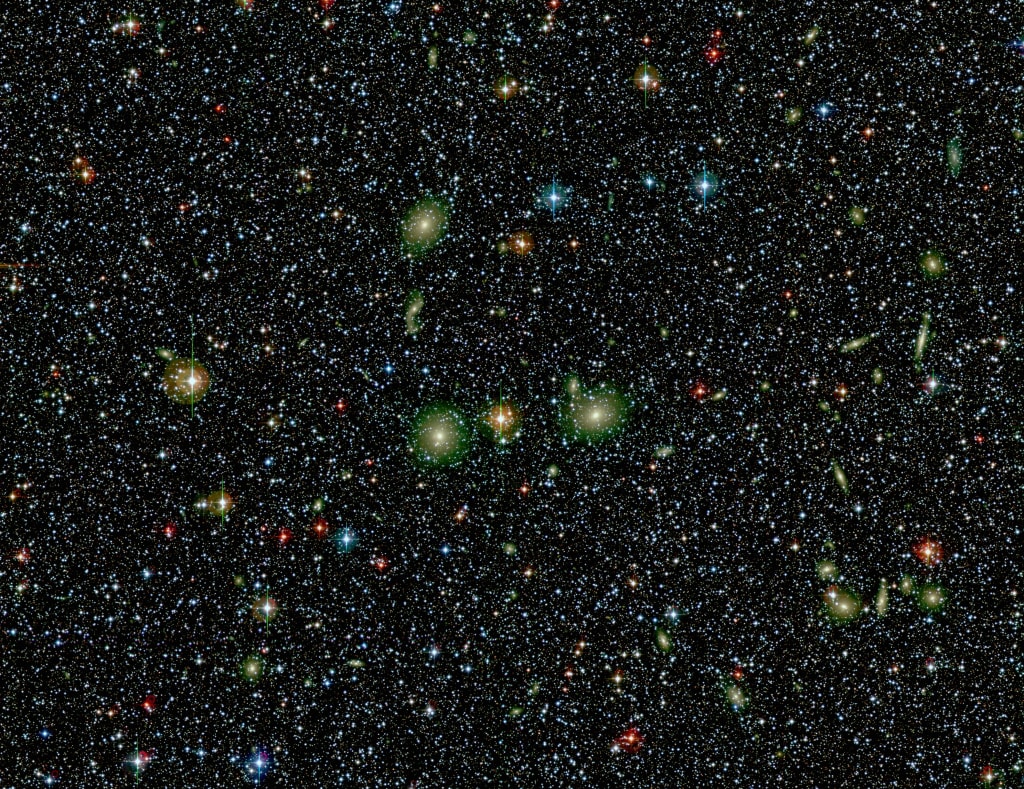
Introduction:
The vast expanse of space has always been a source of wonder and intrigue for humanity. While we have made tremendous strides in understanding the cosmos, there remain numerous enigmatic secrets that continue to challenge our understanding of the universe. In this article, we delve into eight unproven space mysteries that have captured the imaginations of scientists and stargazers alike, igniting a sense of curiosity and fascination.
- Dark Matter and Dark Energy: The Veiled Forces
Scientists believe that dark matter makes up approximately 27% of the universe's total mass-energy content. It plays a crucial role in shaping the cosmos, providing the gravitational "glue" that binds galaxies and galaxy clusters together. Without dark matter, galaxies would not have enough mass to maintain their coherent structures, and the universe would look significantly different.
Despite its significance, the exact nature of dark matter remains unknown. Various theoretical particles have been proposed to explain dark matter, such as Weakly Interacting Massive Particles (WIMPs), Axions, or sterile neutrinos. However, as of my last update in September 2021, no direct detection of dark matter particles has been achieved, leaving its identity and properties still unproven.
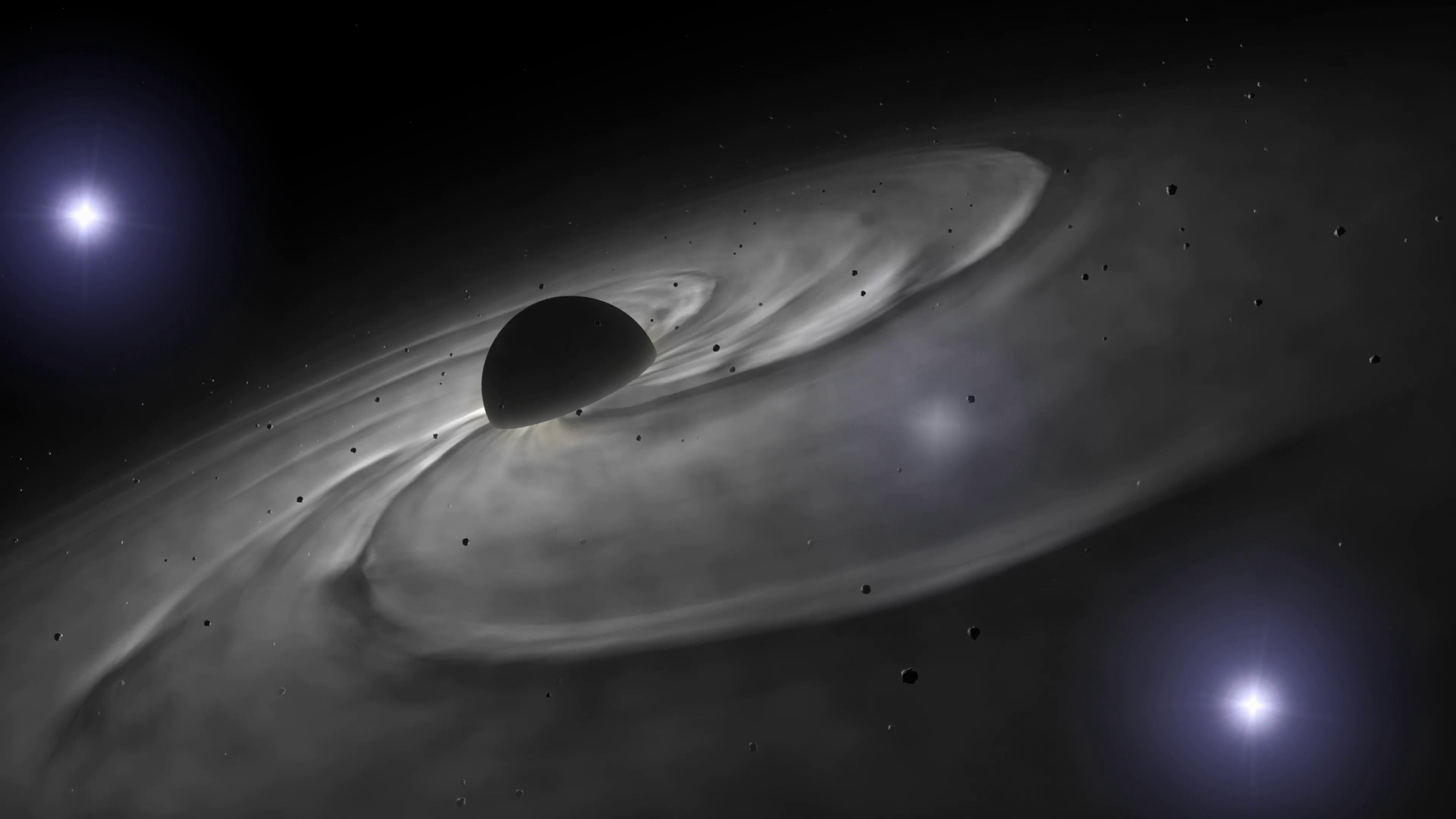
Around 68% of the universe's total energy content is attributed to dark energy. Its existence was inferred from observations of distant supernovae, which revealed that the universe's expansion is accelerating rather than slowing down. This unexpected discovery led scientists to propose the existence of a repulsive force (dark energy) that counteracts the attractive force of gravity, causing galaxies to move away from each other at an ever-increasing rate. The nature of dark energy is even more elusive than dark matter. One possible explanation is a cosmological constant, a term in Einstein's equations of General Relativity introduced by Albert Einstein himself to keep the universe static. However, the value of the cosmological constant required to explain the accelerated expansion is incredibly small and fine-tuned, raising questions about our current understanding of fundamental physics.
In the cosmic dance of galaxies, an overwhelming majority of the universe is composed of dark matter and dark energy—two elusive entities that have confounded scientists for decades. Despite their significant gravitational influence, both remain invisible and undetectable by conventional means. What are they made of? How do they interact with ordinary matter? Unraveling these mysteries could unlock the secrets to the universe's past and future.
2. A Cosmic Quest for Extraterrestrial Life
Mars: Mars has been a primary focus of exploration due to its similarities to Earth in the distant past. Evidence suggests that liquid water once flowed on the Martian surface, and recent findings indicate the presence of subsurface liquid water. Water is a key ingredient for life as we know it, and the search for microbial life or signs of past life on Mars continues through rovers and future planned missions.
Europa and Enceladus: Moons of Jupiter and Saturn, respectively, have subsurface oceans beneath their icy crusts. These subsurface oceans may provide suitable environments for life, as they offer protection from harsh radiation and extreme temperatures. Scientists are particularly intrigued by the possibility of finding microbial life or other forms of life in these subsurface oceans.
The quest for extraterrestrial life has been a driving force in space exploration. From the tantalizing possibility of life-sustaining environments on Mars to the intriguing oceans beneath the icy crust of moons like Europa and Enceladus, astronomers and astrobiologists are diligently searching for signs of life beyond Earth. While we've found some promising hints, the ultimate discovery of extraterrestrial life remains one of the most sought-after revelations in the history of science.
3. The Great Attractor: The Unseen Force
Scientists have observed the peculiar motion of galaxies in this region, indicating that there must be an unseen concentration of mass responsible for this gravitational effect. However, the exact nature and location of the Great Attractor remain uncertain. Some hypotheses suggest that the Great Attractor could be a vast and undiscovered supercluster of galaxies, an extensive collection of galaxy clusters and dark matter.
Despite decades of research, the Great Attractor's full characteristics remain elusive due to its position in the Zone of Avoidance—a region of the sky obscured by the Milky Way's dust and stars. To unravel the secrets of the Great Attractor and gain a deeper understanding of its role in the cosmic web.
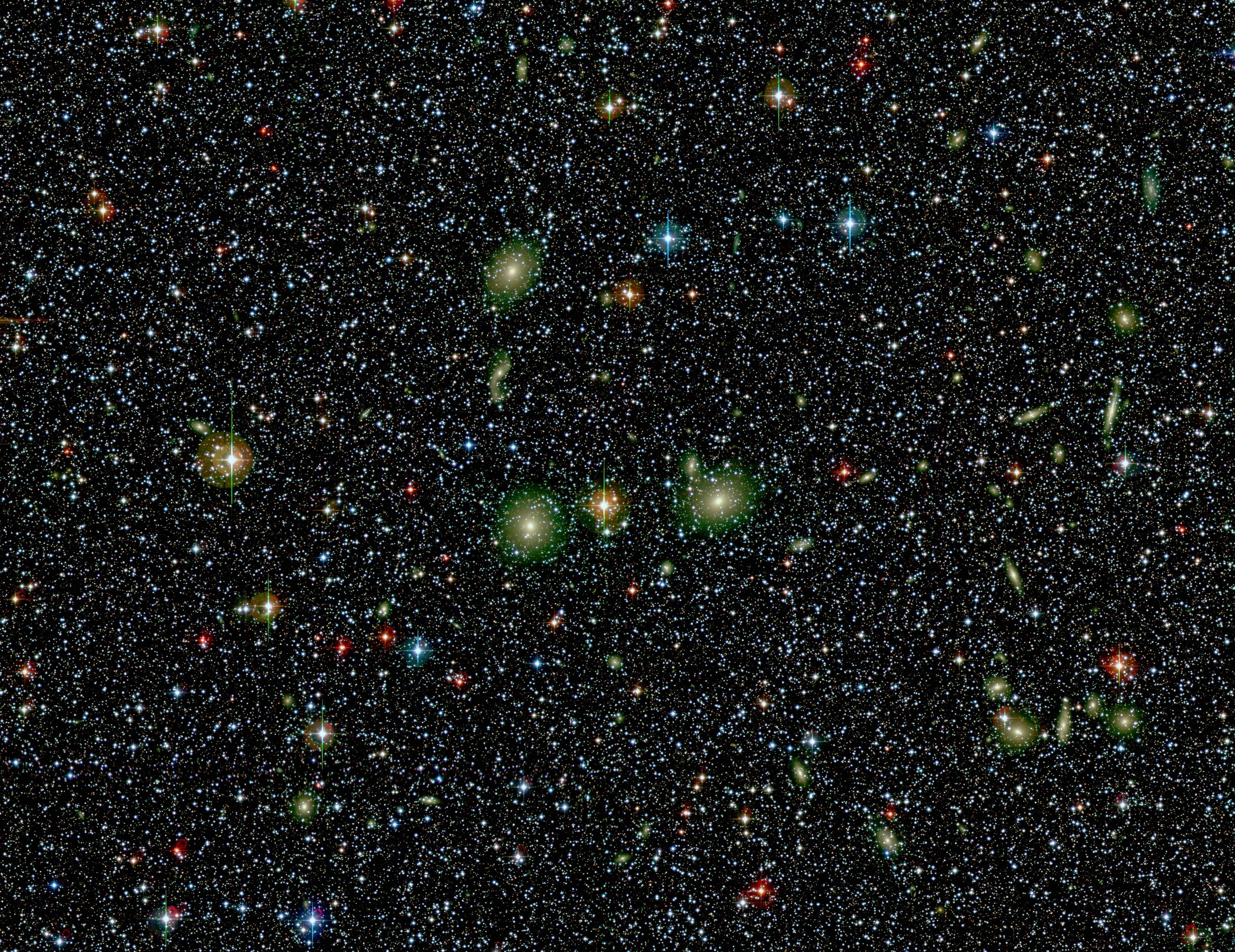
Far beyond the reaches of our galaxy, an enigmatic cosmic structure known as the Great Attractor beckons nearby galaxies toward its gravitational grasp. Yet, the nature and location of this mysterious attraction remain elusive. Is it a supercluster of galaxies, an as-yet-undetected mass concentration, or something altogether unexpected? Unraveling the secrets of the Great Attractor could reshape our understanding of the cosmos on a grand scale.
4. The Enigma of Black Holes and Wormholes
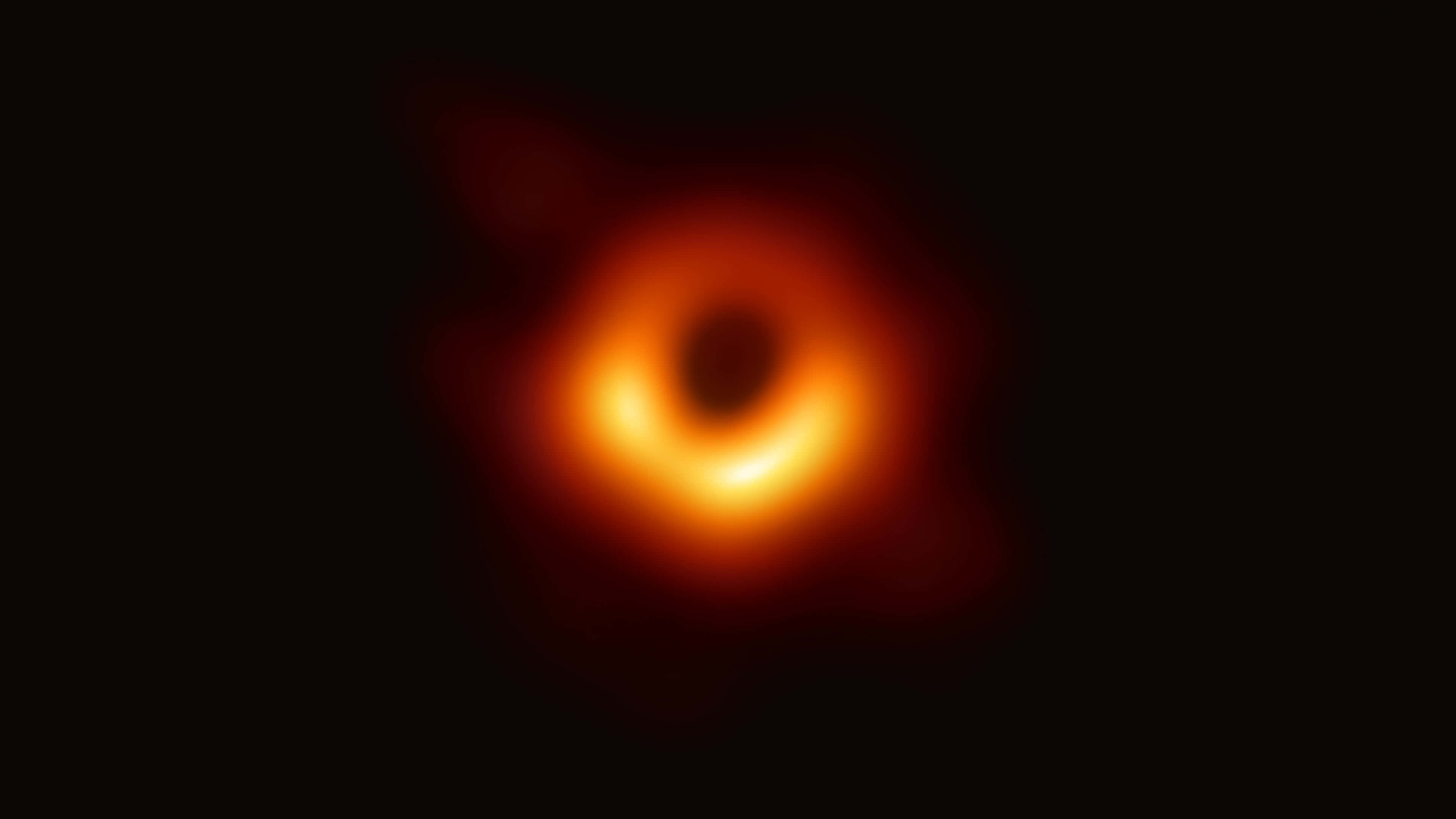
Black holes are regions in spacetime where gravity becomes so intense that nothing, not even light, can escape their gravitational pull. They are formed when massive stars exhaust their nuclear fuel and collapse under their own gravitational force, or through the merger of two compact objects, such as neutron stars. The boundary around a black hole beyond which nothing can escape is called the event horizon. Any object or radiation that crosses the event horizon is forever trapped within the black hole, leading to the black hole's characteristic property of being "black" or invisible.
As for wormholes, their theoretical existence continues to inspire research in areas like quantum gravity and the unification of the fundamental forces in the universe. However, no observational evidence supports the existence of traversable wormholes, and their viability for practical space travel remains purely speculative.
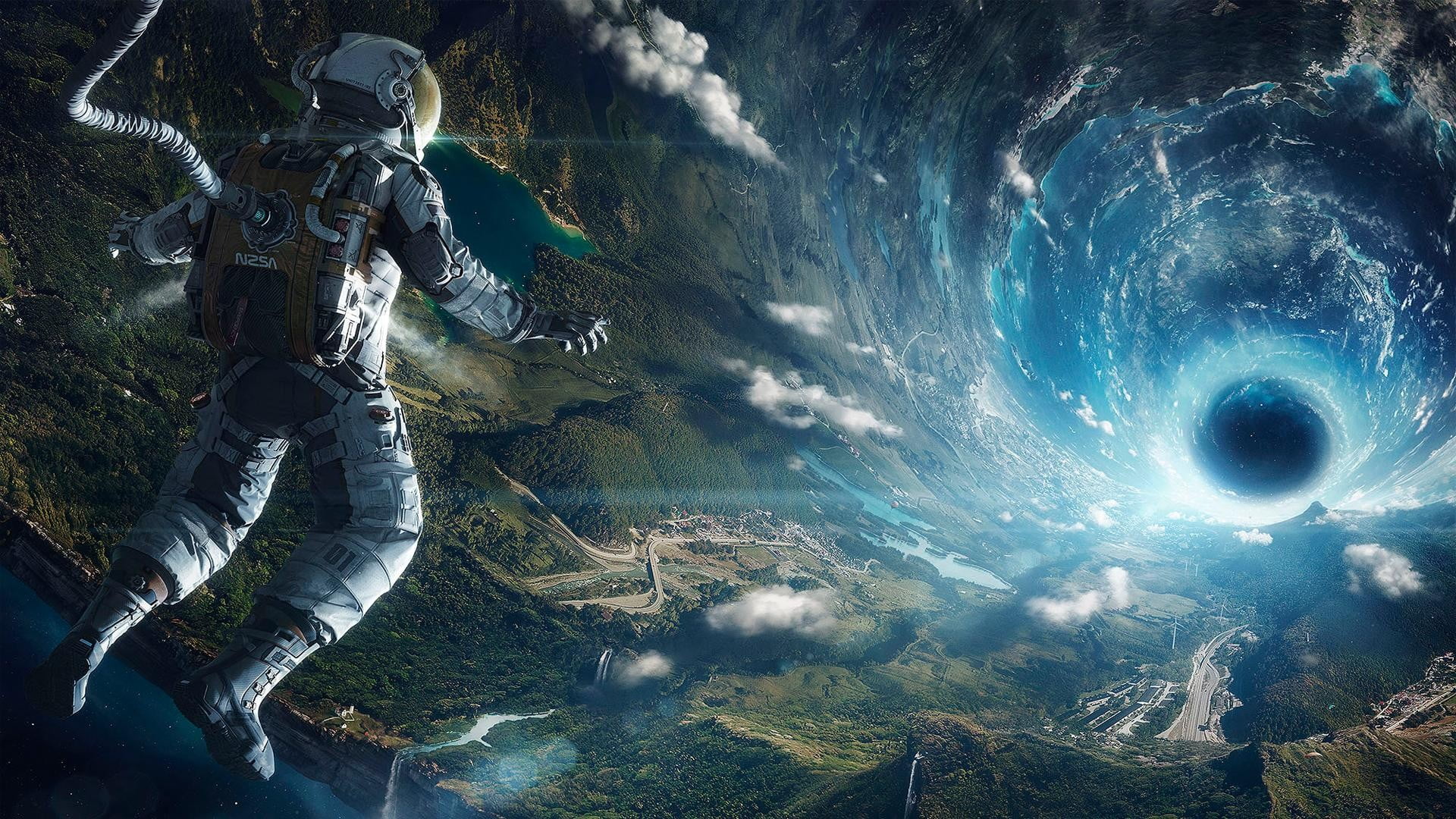
Within the fabric of spacetime lurk black holes, devouring all matter that ventures too close, even light itself. While their existence is supported by astronomical observations, the mechanics behind black holes and the tantalizing possibility of traversable wormholes are still only theoretical.
5. The Fermi Paradox: The Silence of the Universe
Several real scientific theories attempt to explain this paradox:
Rare Earth Hypothesis:
One theory suggests that the emergence of intelligent life may be an exceedingly rare and complex event that requires a specific set of conditions. According to the Rare Earth Hypothesis, Earth-like planets with the right combination of factors, such as a stable star, a habitable zone, plate tectonics, and a large moon for stabilizing the planet's axis, may be uncommon. Therefore, the scarcity of such planets capable of supporting advanced life could explain the absence of contact with extraterrestrial civilizations.
The Great Filter:
The Great Filter is a speculative concept that posits the existence of a significant and challenging step or series of steps that intelligent civilizations must pass through for their survival and continued expansion. This filter could be any number of hurdles, such as the emergence of life, the evolution of multicellular organisms, the development of intelligent civilizations, or the capability to engage in interstellar communication and exploration. The Fermi Paradox suggests that the Great Filter might lie in one of these steps, which could explain the silence of extraterrestrial civilizations.
Technological Stagnation:
Another possibility is that advanced civilizations might reach a certain level of technological development and then plateau or stagnate, unable to overcome specific challenges or constraints. This stagnation could prevent them from engaging in interstellar communication or exploration, contributing to the lack of contact with other civilizations.
Interstellar Communication Barriers:
Even if intelligent civilizations exist, the vast distances between stars could present formidable barriers to interstellar communication. The speed of light limits the transfer of information, making real-time communication virtually impossible across cosmic scales.
Zoo Hypothesis:
The Zoo Hypothesis proposes that extraterrestrial civilizations may be intentionally avoiding contact with us, treating Earth like a "zoo" or a protected area to observe without interference. This could be out of respect for our developing society or to allow us to progress without external influence.

With billions of potentially habitable planets in the Milky Way alone, the absence of contact with extraterrestrial civilizations is a paradox that continues to puzzle astronomers. The Fermi Paradox raises thought-provoking questions about the prevalence of intelligent life and the potential barriers to interstellar communication.
6. Cosmic Microwave Background Radiation Anomalies
The cosmic microwave background (CMB) radiation is a crucial piece of evidence supporting the Big Bang theory, which describes the origin and evolution of our universe. It is the faint glow of radiation left over from the early hot and dense phase of the universe, which occurred approximately 13.8 billion years ago.
The CMB has been extensively studied, and the observations have provided precise measurements of its temperature and anisotropies (small temperature fluctuations) across the sky. While the CMB has confirmed many aspects of the Big Bang theory.
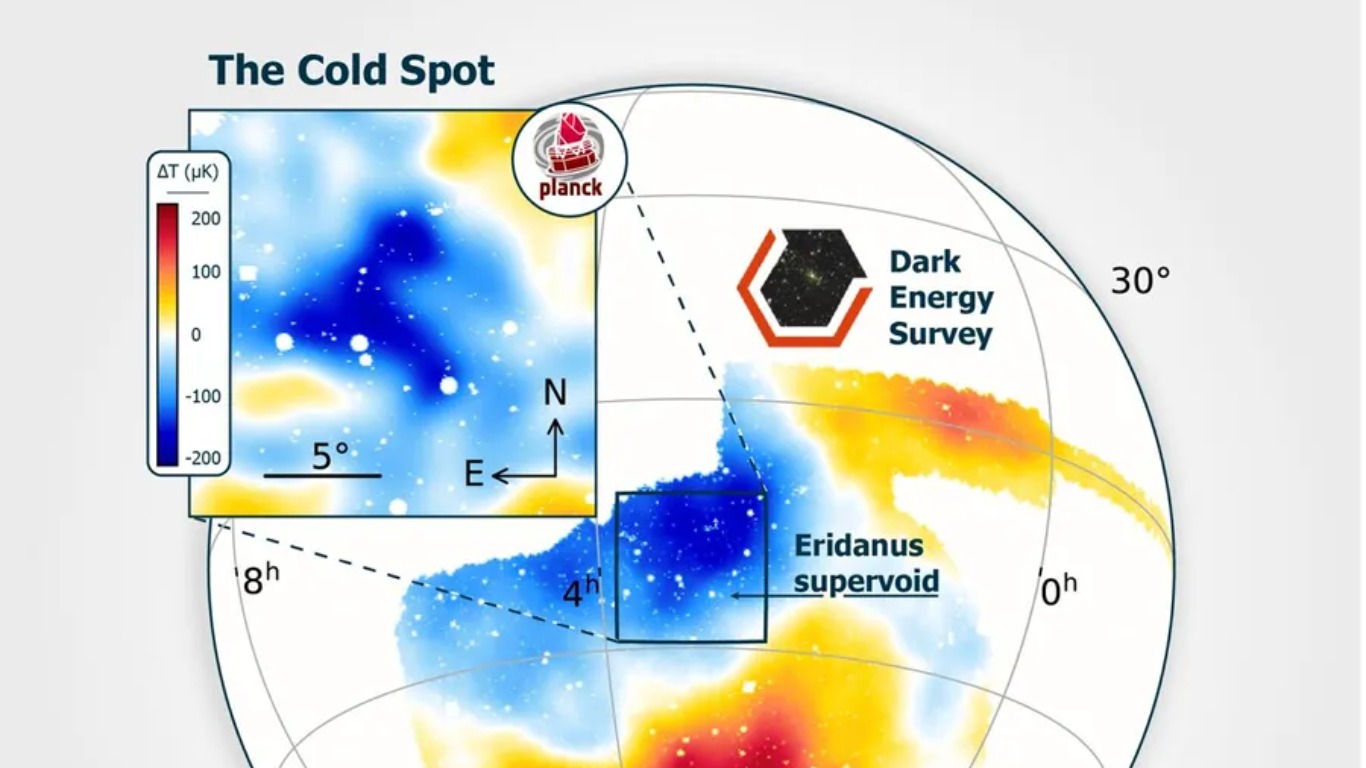
One of the most significant anomalies in the CMB is known as the "Cold Spot." This is an unusually large and cold region observed in the CMB, and its presence challenges our understanding of the early universe's homogeneity and isotropy.
Real Scientific Theories and Hypotheses to Explain CMB Anomalies:
Statistical Fluctuations:
One widely accepted explanation for the anomalies in the CMB is that they are the result of random statistical fluctuations. In a universe as vast and complex as ours, it is expected that some regions would show variations from the average temperature due to chance alone.
Cosmic Inflation:
Cosmic inflation is a theoretical concept that proposes a rapid expansion of the universe during the earliest moments after the Big Bang. This expansion would have smoothed out irregularities in the universe and could potentially account for some of the observed CMB anomalies.
Primordial Black Holes:
Another intriguing hypothesis suggests that primordial black holes, hypothetical black holes formed shortly after the Big Bang, could be responsible for some CMB anomalies. These black holes might create gravitational lensing effects on the CMB, leading to observable patterns.
Cosmic Topology and Parallel Universes:
Some researchers have explored the possibility that the anomalies in the CMB could be caused by the underlying geometry or topology of the universe. Certain models propose that the universe may be finite and wrap around itself, leading to observable patterns in the CMB.
However, these ideas remain highly speculative and are not yet supported by direct evidence.
7. Time Travel: A Conceptual Journey
Here are some real scientific theories related to time travel:
Time Dilation:
Time dilation is a well-established concept in Einstein's theory of relativity. It states that time can pass differently for objects in motion relative to each other or in the presence of strong gravitational fields. This effect has been confirmed through experiments and is an essential aspect of modern physics.
Wormholes and Time Loops:
Wormholes are hypothetical passages through spacetime that could potentially connect distant points in the universe. Some solutions to Einstein's equations suggest that traversable wormholes could allow for time travel between different points in spacetime.
The concept of time loops, also known as closed timelike curves, is related to wormholes. It involves a hypothetical scenario where an object's path loops back in time and intersects with its past trajectory.
Novikov Self-Consistency Principle:
The Novikov Self-Consistency Principle proposes that any event or action in the past that could result in a time travel paradox would be inherently forbidden by the laws of physics. In other words, it suggests that time travel would always be consistent with the existing timeline, preventing the possibility of changing the past in a way that creates contradictions.
Many-Worlds Interpretation:
The Many-Worlds Interpretation of quantum mechanics posits that every possible outcome of a quantum event exists in its own separate branch of reality. In the context of time travel, this interpretation suggests that any time travel journey to the past would create a new parallel universe, preventing the time traveler from affecting their original timeline.
While time travel captivates the imagination of science fiction enthusiasts, its feasibility in reality remains a topic of heated debate among physicists. The potential to journey through time, whether forward or backward, presents mind-bending paradoxes and raises fundamental questions about the nature of time and the universe.
Conclusion:
As we explore the cosmos, the mysteries that lie beyond the boundaries of our knowledge continue to beckon us forward. These unproven space secrets, though still shrouded in uncertainty, fuel our insatiable thirst for discovery and understanding.
About the Creator
Enjoyed the story? Support the Creator.
Subscribe for free to receive all their stories in your feed.
Comments
There are no comments for this story
Be the first to respond and start the conversation.