
Unveiling the Rich Tapestry of Asian Land Animals
Exploring the Continent's Terrestrial Wonders


Asia, the largest and most diverse continent on Earth, is a sanctuary for an astonishing variety of land animals that have adapted to the diverse landscapes ranging from snow-capped mountains to lush tropical forests. From the elusive snow leopards of the Himalayas to the agile red pandas of the Eastern forests, Asia's terrestrial ecosystems are home to a captivating array of creatures that inspire awe and wonder.
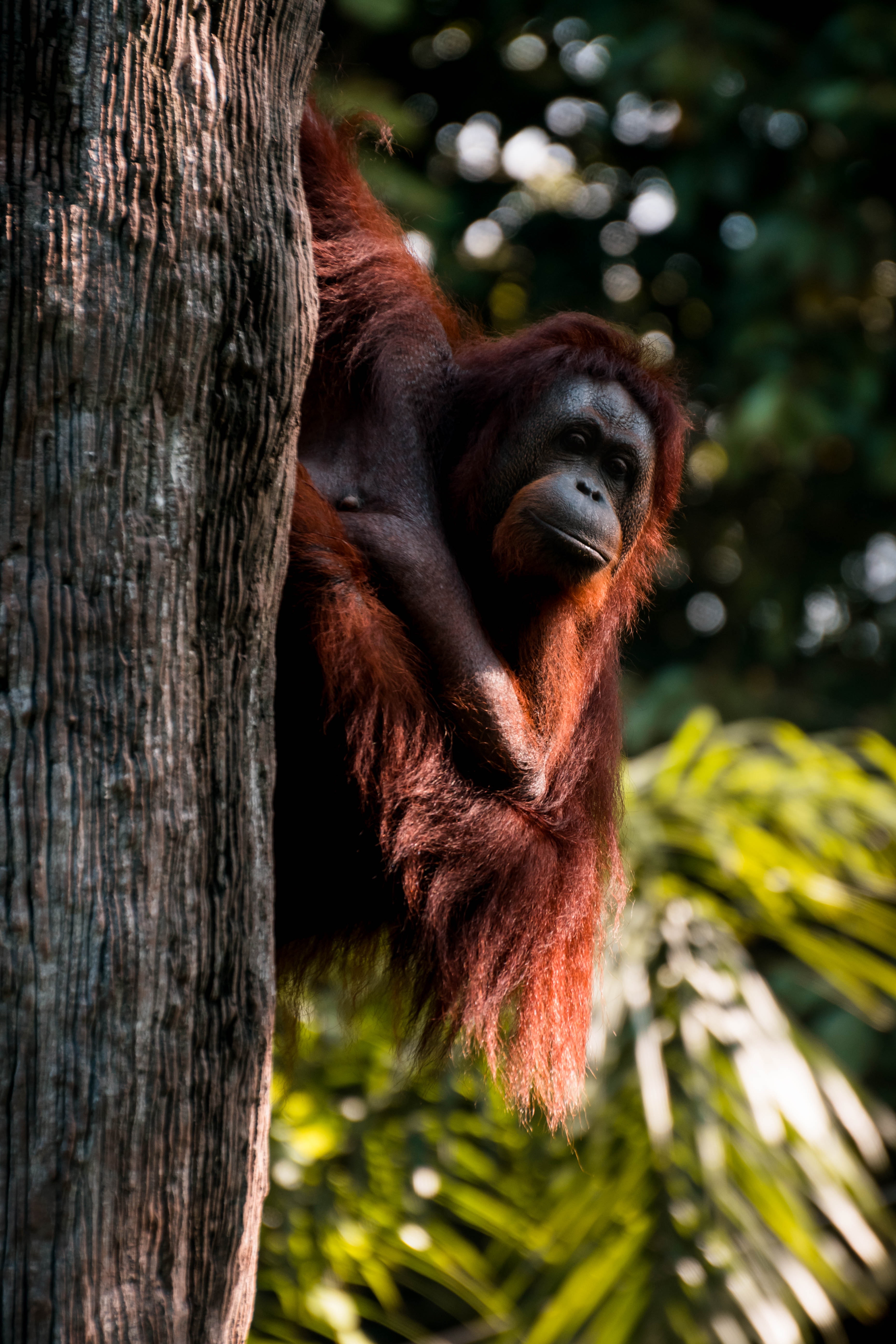
Bornean Orangutans: Gentle Primates of the Treetops
The rainforests of Southeast Asia are graced by the presence of the Bornean orangutan (Pongo pygmaeus), a species of great ape known for their intelligence and striking resemblance to humans. These arboreal creatures spend most of their lives in the trees, using their long arms to swing and move effortlessly through the forest canopy.
Habitat loss due to deforestation poses a significant threat to orangutan populations. Conservation organizations work tirelessly to protect their habitats and rehabilitate injured or orphaned individuals.
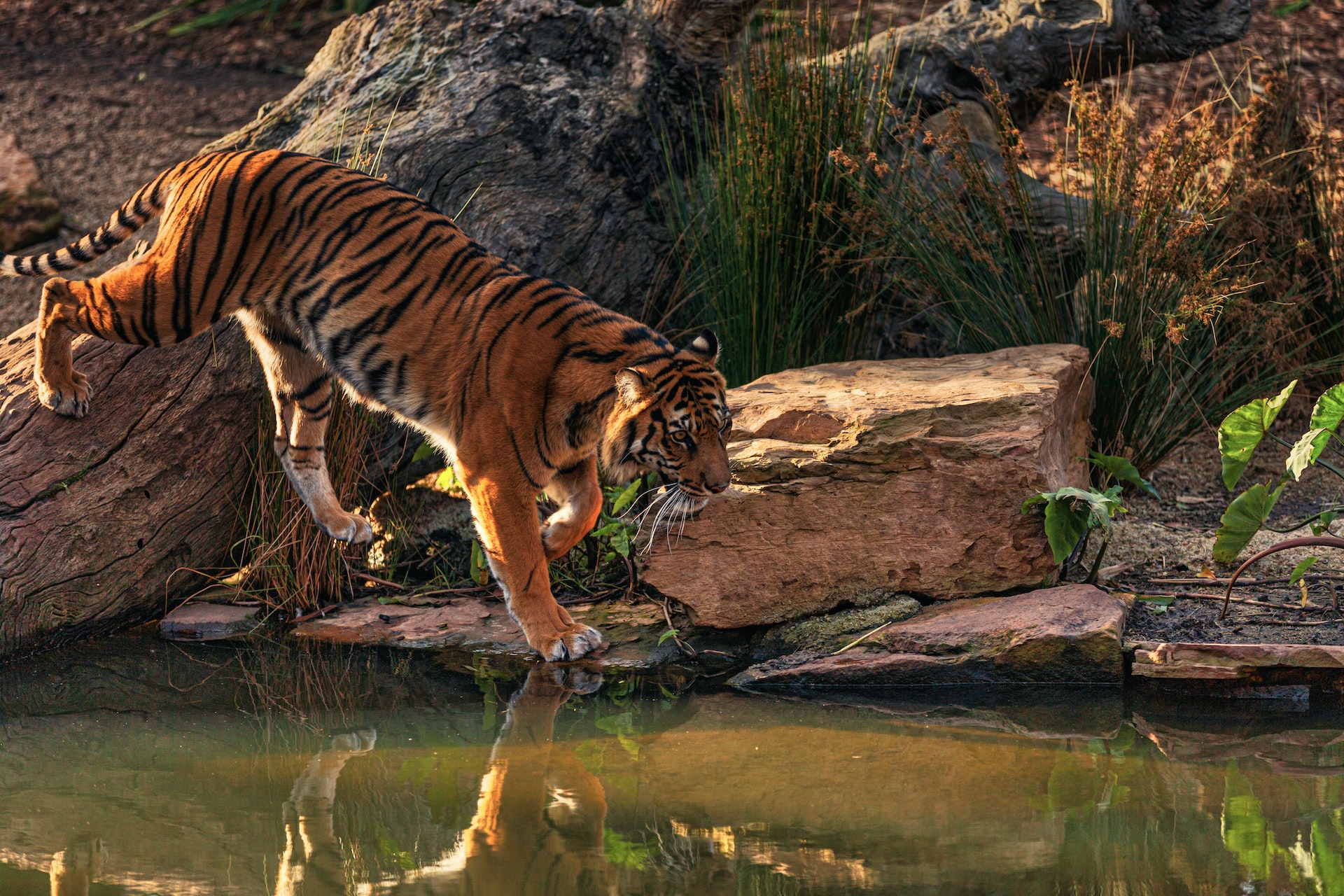
Bengal Tigers: Majestic Icons of the Forest
Roaming the dense jungles of India, Nepal, and other parts of Southeast Asia, the Bengal tiger (Panthera tigris tigris) is the largest of all tiger species and a symbol of strength and beauty. These apex predators are known for their distinctive orange coats with dark stripes, providing effective camouflage in the dappled sunlight of their forest homes.
Bengal tigers are integral to their ecosystems, helping regulate prey populations and maintain the balance of their habitats. Unfortunately, these majestic cats face threats from habitat loss and poaching, making conservation efforts critical for their survival.
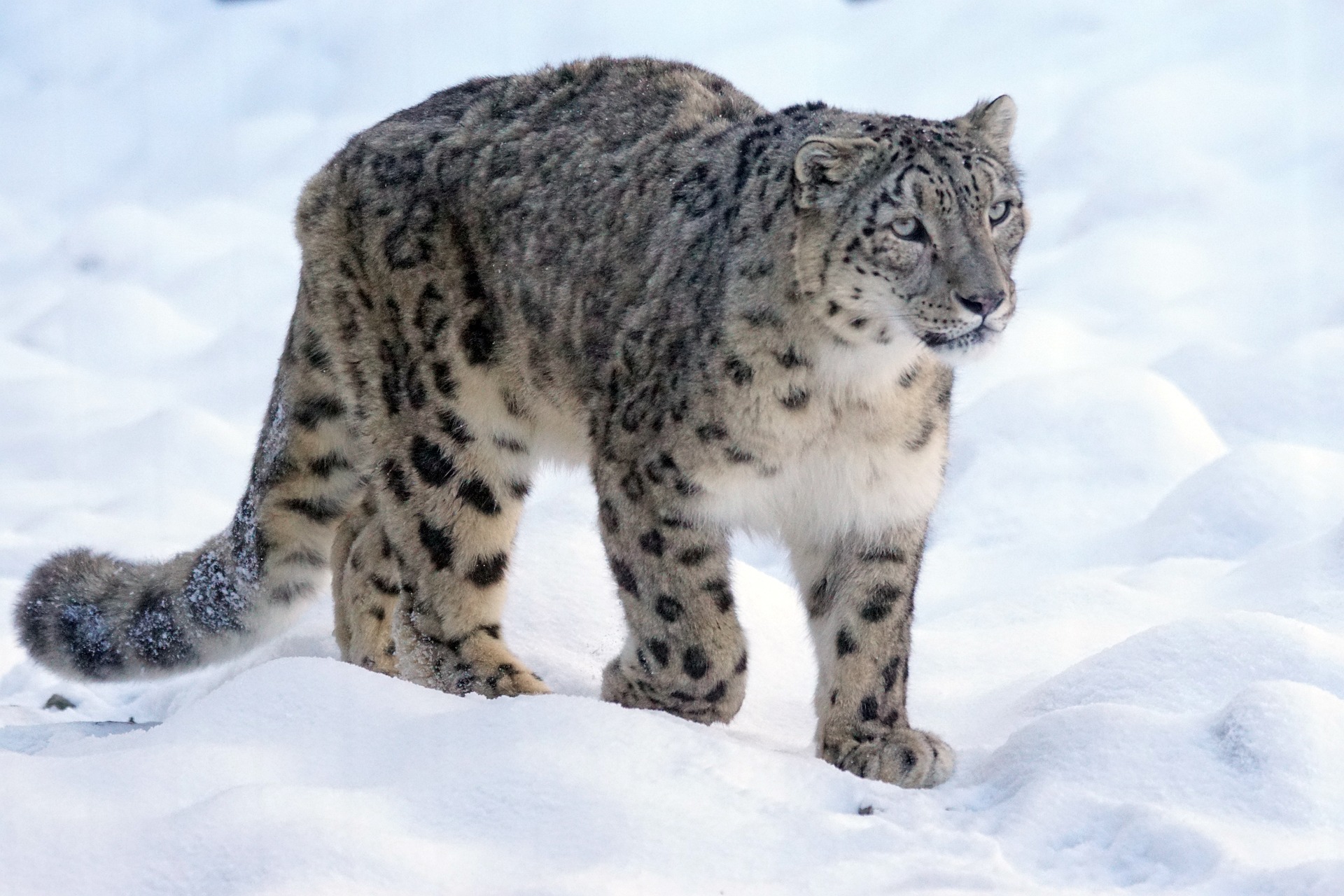
Snow Leopards: Ghosts of the High Mountains
The rugged peaks of the Himalayas are inhabited by one of the most elusive and iconic creatures, the snow leopard (Panthera uncia). Often referred to as the "ghost of the mountains," snow leopards are masterful climbers, adapting to the steep and rocky terrain with ease. Their thick fur and long tail provide both insulation and balance in their harsh habitat.
Sadly, snow leopards are threatened by poaching and habitat loss, as their high-altitude home is increasingly impacted by human activities. Conservation efforts aim to protect these majestic cats and preserve the fragile ecosystems they call home.
Giant Pandas: Living Symbols of Conservation
The bamboo forests of China are home to the beloved giant pandas (Ailuropoda melanoleuca), which have captured the hearts of people around the world. These peaceful herbivores rely almost exclusively on bamboo for their diet and are known for their distinctive black and white markings.
Once on the brink of extinction, giant pandas have become a symbol of conservation success. Efforts to protect their natural habitat and breed them in captivity have contributed to a steady increase in their population, demonstrating the power of global conservation initiatives.

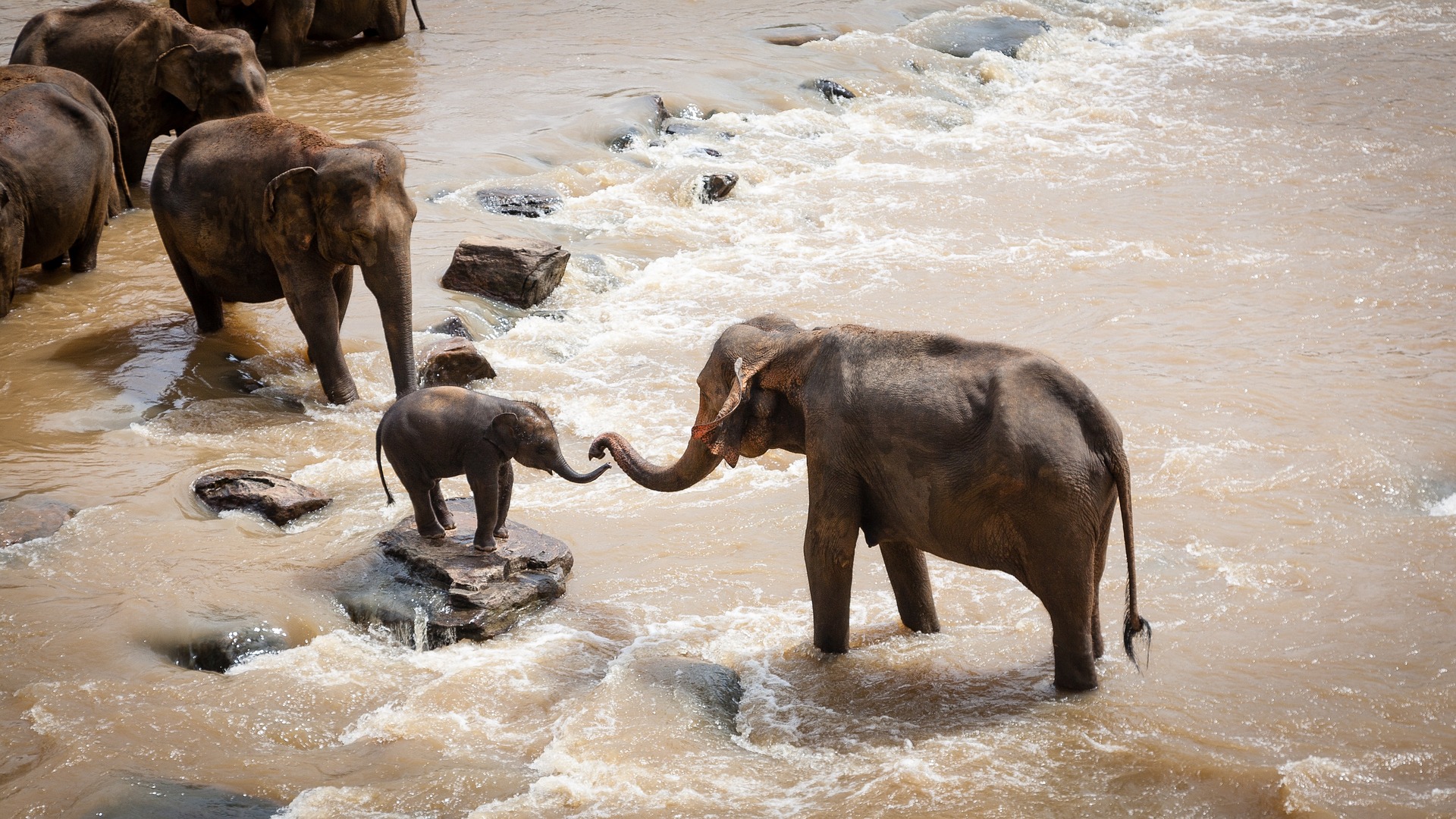
Indian Elephants: Majestic Giants of the Subcontinent
The forests and grasslands of India are home to one of the most iconic and revered animals, the Indian elephant (Elephas maximus). These majestic giants play a significant role in Indian culture and history, often symbolizing wisdom and strength.
Indian elephants are social creatures, living in close-knit family groups led by a matriarch. Unfortunately, they face numerous threats including habitat loss, human-elephant conflicts, and poaching. Conservation efforts focus on preserving their habitats and creating corridors for safe migration.
Red Pandas: Enigmatic Inhabitants of the Eastern Forests
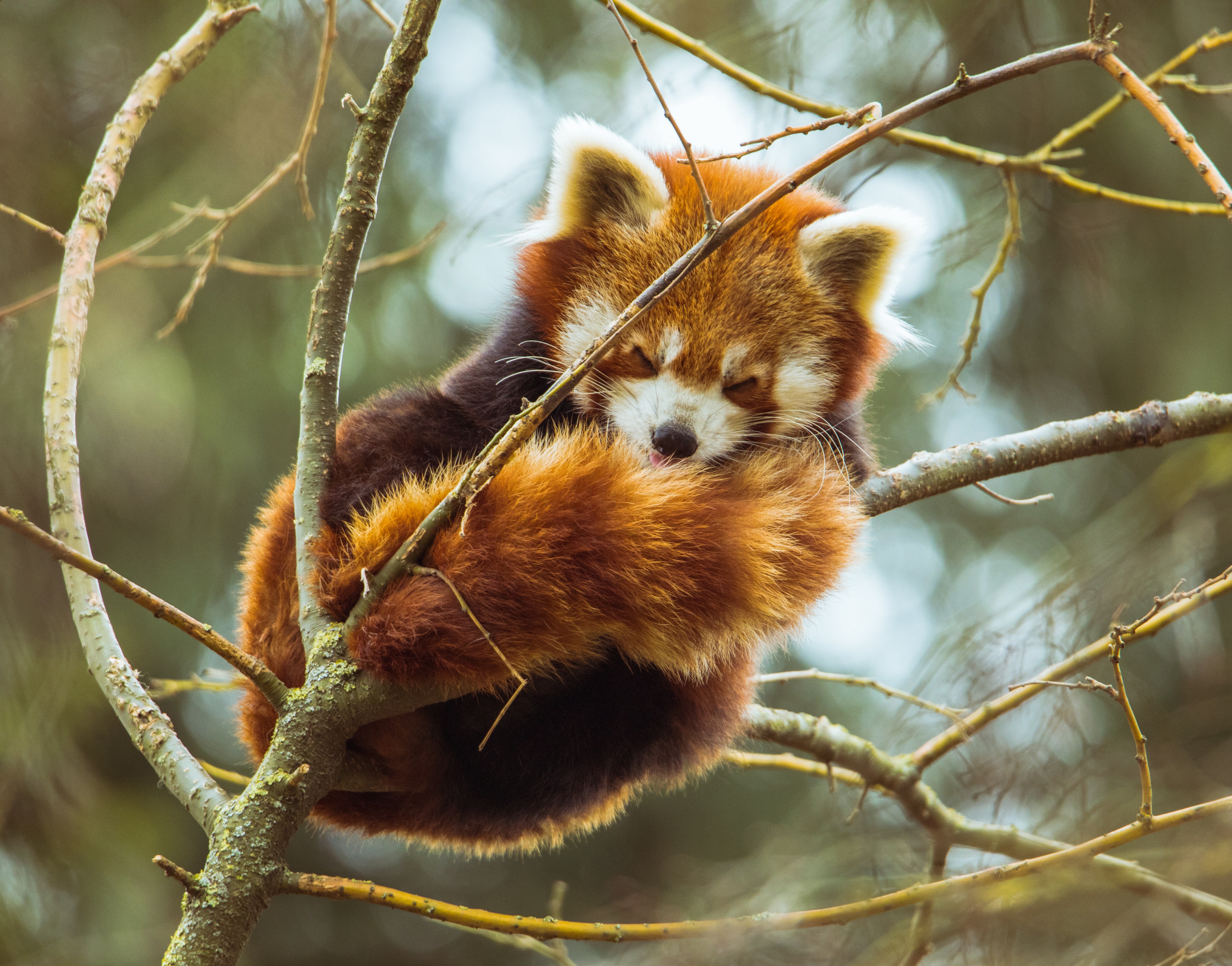
The dense forests of the Eastern Himalayas are graced by the presence of the red panda (Ailurus fulgens). Despite its name, the red panda is not closely related to the giant panda. With its striking rust-colored fur and bushy tail, the red panda exudes a sense of mystique.
Red pandas are skilled climbers and spend much of their time in trees. Their diet consists mainly of bamboo, but they are also known to eat fruits, insects, and small mammals. Due to habitat loss and illegal pet trade, red pandas are listed as vulnerable, emphasizing the importance of protecting their native forests.
Biodiversity and Conservation
The remarkable land animals of Asia exemplify the incredible adaptability of life to a wide range of environments. These creatures are not only important for maintaining ecological balance but also hold cultural significance for the people who share their habitats.
As we celebrate the diversity of Asian land animals, it's crucial to recognize the conservation challenges they face. Habitat destruction, poaching, and climate change threaten the survival of many species. Through conservation initiatives, education, and sustainable practices, we can work together to ensure that the vibrant tapestry of Asian terrestrial life continues to thrive for generations to come.
About the Creator
Enjoyed the story? Support the Creator.
Subscribe for free to receive all their stories in your feed.
Comments