
Unveiling the Hidden Myths of the Universe
Hidden Myths of Cosmos

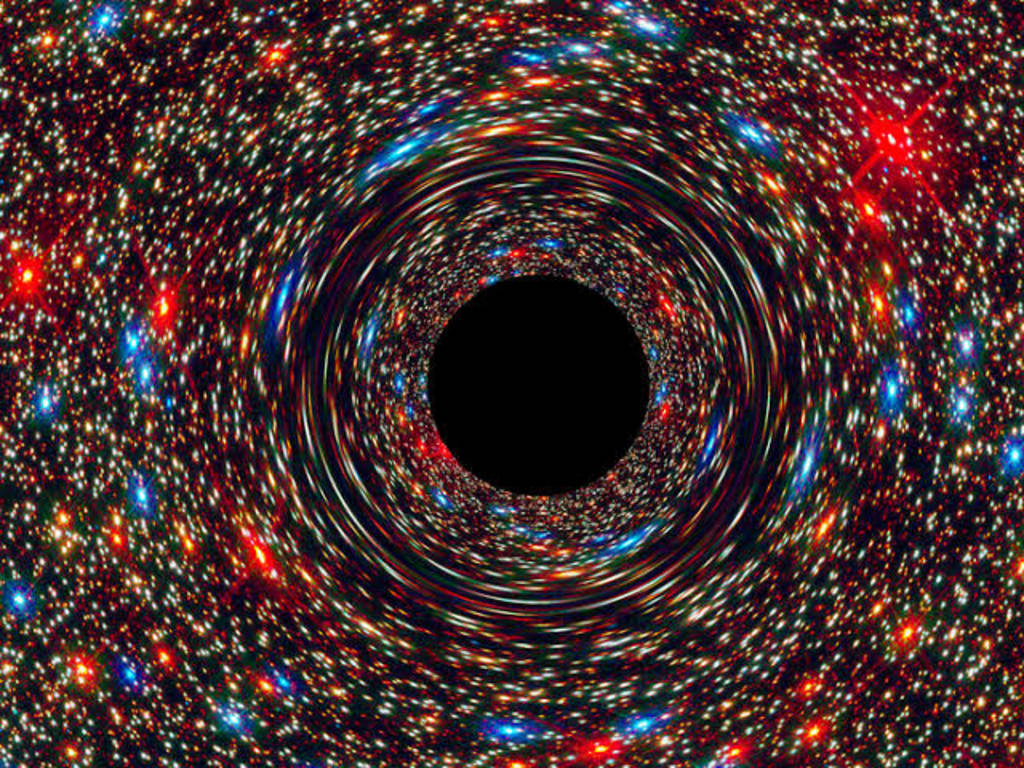
In the vast expanse of the cosmos, mysteries and myths linger beyond the reach of our understanding. This article delves into the enigmatic facets of the universe, exploring hidden myths that spark curiosity and challenge conventional wisdom.
Dark Matter: The Phantom Force
Unseen and elusive, dark matter comprises a significant portion of the universe. Scientists grapple with its mysterious nature, as it neither emits nor absorbs light. Unraveling the myths surrounding dark matter could unlock the secrets of cosmic structure.
Cosmic Inflation: The Expanding Enigma
The universe underwent a rapid expansion in its early moments, a phenomenon known as cosmic inflation. Debunking myths related to this explosive growth opens doors to comprehending the fundamental forces that shape our cosmic home.
Black Holes: Portals to the Unknown
Black holes, celestial devourers of light, fuel myths about their true nature. Are they cosmic vacuums or gateways to other dimensions? Unraveling the myths surrounding black holes challenges our understanding of gravity and space-time.
Multiverse: Realms Beyond Our Reach
The concept of a multiverse, where numerous universes coexist, teases the boundaries of our imagination. Myths surrounding parallel realities challenge our perception of existence and the limits of what the cosmos may hold.
Quantum Entanglement: Cosmic Connections
Quantum entanglement, a phenomenon where particles remain connected across vast distances, challenges our intuitive understanding of reality. Exploring the myths surrounding entanglement unveils the intricacies of quantum mechanics and its potential cosmic implications.
Time Travel: Navigating Temporal Myths
The concept of time travel, a staple in science fiction, sparks myths about its feasibility. Delving into the scientific theories and myths surrounding temporal manipulation raises profound questions about the nature of time in the cosmic tapestry.
Alien Life: Extraterrestrial Enigmas
The search for extraterrestrial life fuels myths about unidentified flying objects and encounters. Distinguishing fact from fiction in the quest for alien life challenges our perceptions of life's potential diversity in the universe.
The universe is vast and mysterious, and we've only scratched the surface of what we know about it. However, there are still many myths and misconceptions that have circulated about the universe over the years.
Myth #1: The universe is infinite
Many people believe that the universe is infinite because it's hard to imagine something having a boundary. However, scientific research has found that the universe is actually finite in size. It's difficult to determine the exact size of the universe because it's constantly expanding, but scientists have estimated that it's around 93 billion light-years across.
Myth #2: The universe is flat
In the early 20th century, physicists believed that the universe was flat, meaning that if you were to travel far enough in one direction, you would eventually end up where you started. However, recent discoveries have shown that the universe actually has a curvature, similar to a sphere.
Myth #3: The universe is static
Many people used to believe that the universe was static and unchanging, but we now know that the universe is constantly expanding. This discovery was made by Edwin Hubble in the 1920s when he observed that galaxies were moving away from each other at great speeds.
Myth #4: Dark matter doesn't exist
Dark matter is a type of matter that doesn't interact with light or other forms of electromagnetic radiation, making it invisible to our telescopes. Because we can't directly observe dark matter, some people believe that it doesn't exist. However, there is overwhelming evidence to suggest that dark matter does exist, as it's needed to explain the way that galaxies behave.
Myth #5: Wormholes could be used for time travel
In science fiction, wormholes are often portrayed as a way to travel through time. However, there's no evidence to suggest that this is possible in reality. While wormholes are theoretically possible according to the laws of physics, they would likely collapse too quickly to allow anything to pass through them.
As we embark on the journey to unravel these hidden myths, the universe continues to unfold its secrets. Each discovery brings us closer to understanding the cosmic enigmas that shape the fabric of our existence.
In conclusion, while the universe remains full of mystery, we must use careful observation and scientific research to understand it and not fall prey to myths and misconceptions.
About the Creator
Enjoyed the story? Support the Creator.
Subscribe for free to receive all their stories in your feed.
Comments
There are no comments for this story
Be the first to respond and start the conversation.