
In an age defined by remarkable advancements in technology and an unprecedented interconnectedness, our world finds itself at a crossroads. A crisis of unprecedented complexity has emerged, intertwining various facets of our global existence. It is not a single catastrophe but a web of interrelated challenges that test the resilience of societies, economies, and the environment. This article delves into the multifaceted crisis plaguing our world, encompassing the realms of climate change, resource scarcity, economic inequality, technological disruption, and global health.
The Climate Catastrophe:
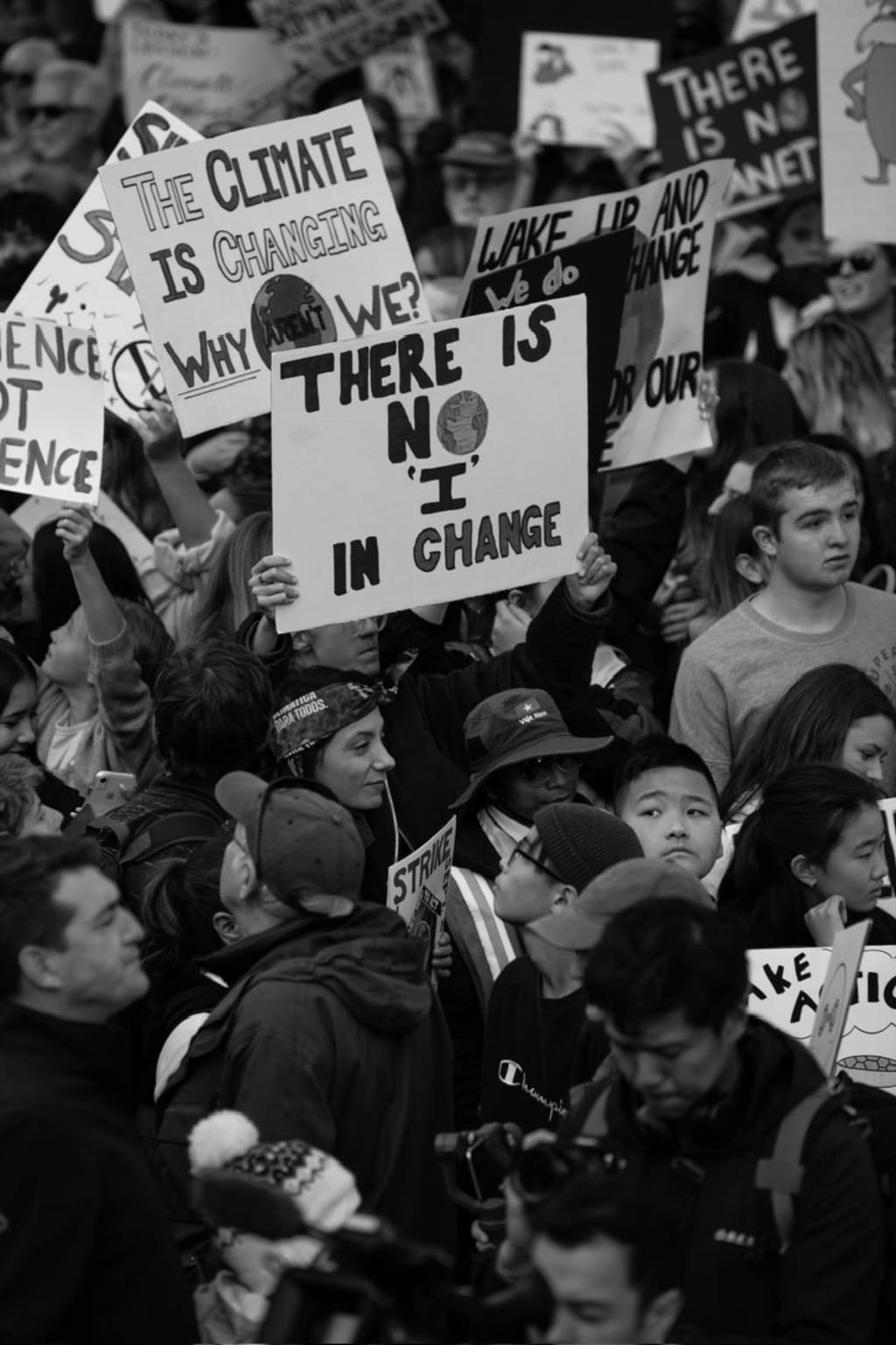
At the forefront of this crisis lies the looming specter of climate change. Our planet is warming at an alarming rate, driven by the emission of greenhouse gases from human activities. This has triggered a cascade of consequences, from more frequent and severe natural disasters to the loss of biodiversity and the displacement of entire communities due to rising sea levels. Addressing climate change is no longer a choice but an existential necessity.
The year 2021 marked a turning point as nations around the world began to grapple with the urgency of the climate crisis. The United Nations Climate Change Conference (COP26) held in Glasgow saw world leaders committing to more ambitious emissions reduction targets and investment in renewable energy. Yet, the gap between ambition and action remains substantial, highlighting the complexities of international cooperation and the influence of vested interests.
Resource Scarcity:
Simultaneously, the world faces the challenge of resource depletion. As global populations continue to surge, the demand for essential resources such as freshwater, arable land, and minerals has reached unsustainable levels. Forests are cleared, oceans overfished, and fertile soil degraded. Competition for these finite resources has the potential to escalate into conflicts, threatening not only the environment but also geopolitical stability.
Economic Inequality:
The crisis extends into the realm of economics, where the gulf between the rich and the rest widens. The COVID-19 pandemic laid bare the fault lines of inequality, with the most vulnerable populations disproportionately affected. While stock markets soared and tech billionaires accumulated vast fortunes, millions faced unemployment, housing insecurity, and hunger.
Efforts to combat inequality have gained momentum, with discussions on wealth taxation, universal basic income, and social safety nets taking center stage. However, addressing economic disparities remains a contentious issue, with powerful interests resisting systemic change.
Technological Disruption:
In the midst of these challenges, technological innovation has emerged as both a boon and a bane. Automation threatens traditional jobs, forcing societies to adapt to new economic landscapes. The digital age has ushered in unprecedented opportunities for communication and collaboration, but it has also spawned concerns about data privacy, surveillance, and the spread of misinformation.
The rise of artificial intelligence and biotechnology presents ethical dilemmas and policy challenges. Striking a balance between innovation and regulation is crucial to harness the full potential of technology while mitigating its risks.
Global Health Uncertainty:
The COVID-19 pandemic stands as a stark reminder of our vulnerability to global health crises. It disrupted economies, strained healthcare systems, and led to significant loss of life. The pandemic exposed weaknesses in preparedness and international cooperation, raising questions about our ability to respond effectively to future health emergencies.
Global vaccination campaigns have made progress in controlling the virus, but vaccine equity remains a contentious issue. Ensuring fair and widespread access to vaccines is essential to preventing the emergence of new variants and averting future pandemics.
The Road Ahead:
The crisis of our world is undeniably complex, with its roots intertwined across multiple domains. Addressing these challenges requires a coordinated and multifaceted approach. It necessitates collaboration between governments, civil society, the private sector, and individuals.
To navigate this crisis successfully, we must adopt a forward-thinking mindset, one that embraces sustainability, inclusivity, and resilience. It calls for a shift in our values, placing the well-being of people and the planet at the forefront of our decision-making.
In conclusion, our world stands at a pivotal moment in history. The crisis we face is daunting, but it is also an opportunity for transformation and renewal. As global citizens, we have the power to shape the course of events through our collective actions and choices. The path ahead is uncertain, but by acknowledging the complexity of our challenges and working together, we can pave the way for a more sustainable, equitable, and resilient world.
About the Creator
Enjoyed the story? Support the Creator.
Subscribe for free to receive all their stories in your feed.
Comments
There are no comments for this story
Be the first to respond and start the conversation.