
Underwater Killers
The World's Deadliest Underwater Creatures
Nothing beats a day of fun frolicking at the beach. But venture beyond the surf, and you'll encounter a world where nightmares lurk. Armed with jaws, poison, and unimaginable powers, they say, "Enter at your own risk." This time, it's no exaggeration; it's true.
A scuba diver lies lifeless in the water. No signs of trauma, no equipment failure—something down here could have killed him without leaving a mark. Perhaps he was exploring the bizarre life forms in the Pacific Ocean, but sometimes, the bizarre can be deadly.
Meet the electric ray, also known as the torpedo. It's massive, weighing up to 80 pounds. Unlike other rays that use fins for propulsion, the torpedo moves like a stealth bomber with a shark-like tail. And it's armed with an explosive weapon—powerful electric shocks. Its modified gill muscles contract in waves, trapping victims under a dome of terror and subjecting them to repeated shocks.
The torpedo primarily uses this weapon to stun fish for easier swallowing. But when startled, it can unleash up to 50 volts, enough to electrocute and ruin a dream holiday.
Not all deadly creatures are large or electrified; some come in small, pretty packages. Take the blue-ringed octopus, barely larger than a golf ball. It scours tidal pools in the Indo-Pacific for treats. Deaf but equipped with keen eyes and a killer sense of smell, it swiftly dispatches its prey, using potent poison that can kill a human in just 90 minutes. This poison, tetrodotoxin, is also favored by pufferfish and cone snails, produced by bacteria living in their saliva glands.
Normally dull yellow with dark rings, the striated frogfish, also known as the hairy frogfish, surprises with its hunting skills. It settles down for perfect camouflage and goes fishing using a worm-like lure on top of its head. Anything curious enough to investigate meets a swift demise.
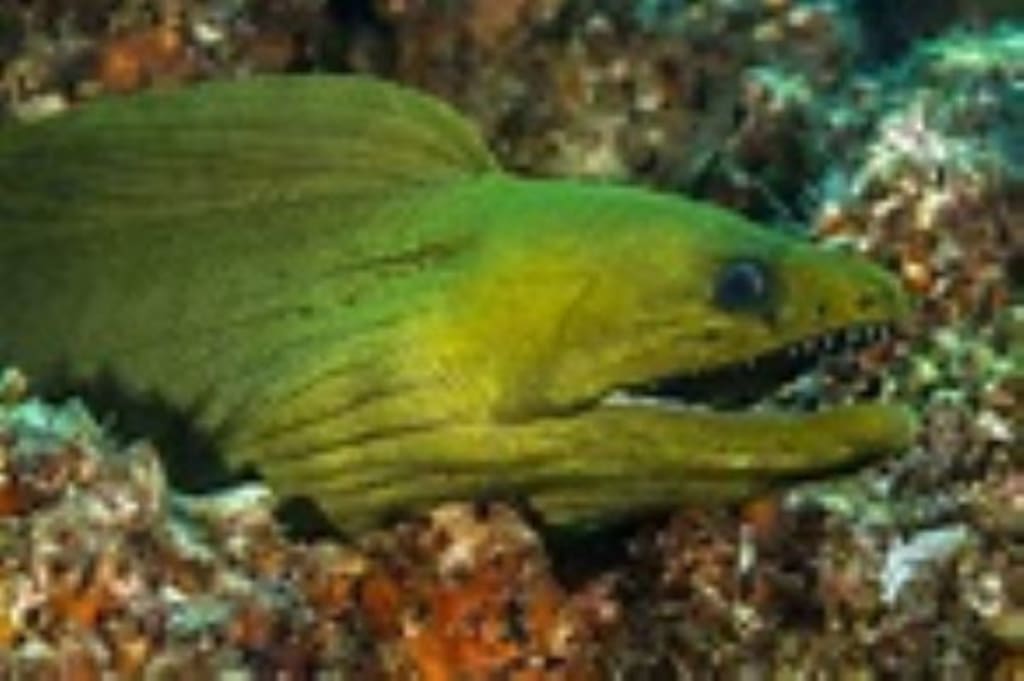
Enter the moire eel, slinking out to hunt at night with a unique jaw-popping technique that aids breathing and captures prey. It has two sets of jaws—the outer jaws seize the fish, and the inner jaws work like a claw machine to pull the food into its stomach.
The pufferfish, known for its inflation technique to double its size, encounters an eel determined to steal its dinner. But the eel has a hidden weapon: a third set of jaws to secure victory.
The peacock flounder attempts to court a female but attracts the attention of a massive snapper instead. In a disastrous twist, they release fertilized eggs into the water and quickly return to their corners on the sea floor.
In the cold, dark waters of the Pacific, legends of sea monsters come to life. The giant Humboldt squid, often resembling ghostly spirits, rises from the depths to feed on fish at the surface. With their nickname "red devils," these creatures are not to be trifled with. A filmmaker descends into the darkness to capture footage, only to become the target of an aggressive squid attack.
Meet the lionfish, adorned with poisonous spines and a flashy pattern, sending a clear message to predators: "Look but don't touch." Unfortunately, many ignore this warning, leading to thousands of lionfish poisonings each year, resulting in symptoms ranging from severe pain to convulsions and heart complications.
Sea urchins may appear harmless, but the fire urchin is anything but. With hundreds of spines containing poison-filled sacks, it can deliver a painful burn on contact. Additionally, it sports grasping appendages that clean, collect food, and defend with even more poison.
Hammerheads may look unusual, but their unique design, including a massive olfactory cavity and electromagnetic field detection pores, makes them master hunters, even in the dark. They use a pin and pivot move to capture their prey effectively.
The great barracuda, armed with sharp teeth and incredible speed, slices through prey effortlessly. With two rows of teeth—one for seizing and one for slicing—it's an apex predator that should be avoided.
Leopard seals, with their formidable size, sharp teeth, and a penchant for hunting penguins, are top predators in the Antarctic. Their ruthless nature is on full display as they ambush and capture their prey.
Loggerhead turtles, with their powerful jaws and ability to hold their breath for long periods, are efficient predators. They are known for their knack for ambushing prey and their preference for a diet of fish and invertebrates.
In the world of underwater camouflage, clownfish and sea anemones have a fascinating partnership. The clownfish are immune to the sea anemone's stinging tentacles, providing protection in return for parasite removal and shelter.
Sea slugs, also known as nudibranchs, may be small and slimy, but many are highly poisonous. They either produce toxins or absorb them from their prey, making them deceptively deadly.
Sperm whales, known for their massive heads and teeth, are the world's largest predators. They use echolocation to locate and hunt giant squid, engaging in battles that have never been captured on film but leave telltale signs on the whales' skin.
Piranhas, often misunderstood as frenzied killers, are skilled hunters who school in large numbers for hunting and protection. While they can deliver a formidable bite, there are no documented cases of humans being eaten alive by them.
The electric eel, a freshwater predator, generates electric shocks of up to 700 volts to immobilize prey and deter predators. It may lack speed and vision, but its electrical pulses help it navigate, detect prey, and survive in its environment.
Wells catfish, resembling their cousin the electric eel, are invasive species that grow rapidly, disrupt ecosystems, and pose a threat to local fish populations.
In conclusion, the world's waters are teeming with deadly predators, each equipped with its unique set of skills and tactics. When you venture into these environments, always be aware and respect the power of nature to ensure your safety.
About the Creator
Enjoyed the story? Support the Creator.
Subscribe for free to receive all their stories in your feed.
Comments
There are no comments for this story
Be the first to respond and start the conversation.