
Understanding the New Wave of American Natural Disasters In the last few decades,
the United States has faced an alarming increase in the frequency......
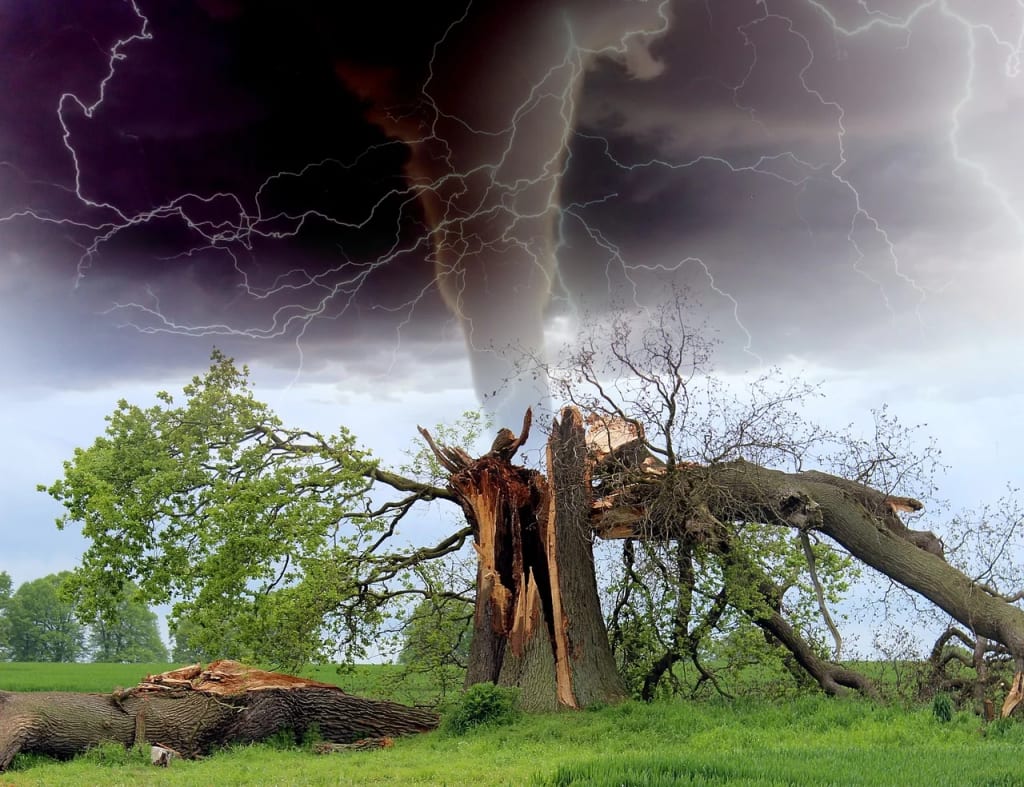
the United States has faced an alarming increase in the frequency, intensity, and diversity of natural disasters. These catastrophic events, ranging from hurricanes, wildfires, and floods, to earthquakes and tornadoes, have become a regular and disruptive part of life for many Americans. As climate change accelerates and urbanization expands, the United States finds itself increasingly vulnerable to these extreme events. The purpose of this article is to investigate the nation's latest wave of natural disasters, including their causes, effects, and evolving responses. The Growing Threat of Climate Change
Climate change is one of the main factors contributing to the rise in natural disasters. The effects of global warming are being felt across the globe, but the United States, with its large geographic size and diverse ecosystems, is especially vulnerable. Certain kinds of natural disasters become more severe and frequent as global temperatures rise. For example, the increasing temperatures of ocean waters have contributed to the growing strength of hurricanes. Warmer air has the potential to hold more moisture, which results in more intense storms and heavier rainfall. Additionally, rising sea levels exacerbate the impact of storm surges, particularly in coastal areas. On the other hand, heatwaves and wildfires are becoming more frequent and severe due to prolonged periods of drought, which are linked to climate change as well.
Examining how climate change is altering the US natural disaster landscape is essential in this context. Hurricanes and Tropical Storms: A Surge in Intensity
The United States has always faced hurricanes, especially in its southeastern regions like Florida, Louisiana, and Texas. However, these storms have become increasingly destructive and intense over the past few years. Warmer ocean temperatures, which give hurricanes the energy they need to get stronger, are directly responsible for this phenomenon. For instance, Hurricane Katrina, which struck New Orleans in 2005, remains one of the most catastrophic natural disasters in U.S. history. While hurricanes of this magnitude are not new to the Gulf Coast, the level of devastation caused by the storm and the subsequent flooding marked a significant turning point. Since then, the United States has experienced a succession of powerful hurricanes, including Hurricane Harvey (2017), which caused unprecedented flooding in Houston, Texas, and Hurricane Maria (2017), which devastated Puerto Rico, leaving the island in a state of crisis.
As climate change continues, experts predict that hurricanes will become even more destructive. Stronger storm surges and heavier rainfall, in particular, can overwhelm flood defenses, displacing large numbers of people and destroying infrastructure. Moreover, the economic impact of these hurricanes has been staggering, with damages often running into the billions of dollars.
Wildfires: A Growing Menace in the West
While hurricanes and tropical storms have captured national attention, wildfires in the western United States have also emerged as a significant threat in recent years. States like California, Oregon, Washington, and Colorado have seen a dramatic increase in the number and intensity of wildfires. The reasons behind this are multifaceted, with climate change playing a crucial role. Rising temperatures, prolonged droughts, and changes in weather patterns have made forested areas more susceptible to fires.
The California wildfires, in particular, have reached new extremes in recent years. In 2020, a record-breaking 4.3 million acres were burned across the state. Fires like the Camp Fire (2018), which destroyed the town of Paradise, left thousands homeless and caused at least 85 deaths. The state has seen an increase in the number of “megafires” — fires that exceed 100,000 acres. Not only have these fires resulted in a significant loss of life and property, but they have also forced thousands of people to flee their homes and put a strain on the resources available for fighting fires. The long-term consequences of these wildfires are far-reaching. They contribute to air pollution, with smoke often drifting as far as the East Coast. Furthermore, the destruction of forests and ecosystems can have lasting impacts on biodiversity. The difficulties of managing wildfires, particularly in the summer and fall, when conditions are most favorable to fire spread, have brought to light the requirement for improved forest management, enhanced emergency response, and infrastructure that is more resilient. In an era of extreme weather, flooding is a growing threat. Flooding is another natural disaster that has become increasingly prevalent in the United States in recent years. Heavy rainfall, storm surges, and rising sea levels have contributed to widespread flooding, displacing thousands and causing billions of dollars in damage. Floods can result from hurricanes, tropical storms, or intense rainfalls, often overwhelming rivers and drainage systems.
The 2019 Midwest floods were a stark illustration of how the country is being affected by extreme weather patterns. The Missouri River, along with other major rivers in the region, flooded for several months, causing widespread damage to homes, farms, and infrastructure. In 2020, the Southeast experienced severe flooding caused by Hurricane Laura and Tropical Storm Cristobal, which devastated Louisiana, Mississippi, and Texas.
About the Creator
Enjoyed the story? Support the Creator.
Subscribe for free to receive all their stories in your feed.
Comments
There are no comments for this story
Be the first to respond and start the conversation.