
Understanding Lift Stations for Sanitary and Stormwater Use
A Comprehensive Guide to Lift Stations: Function, Importance, and Applications in Sanitary and Stormwater Systems

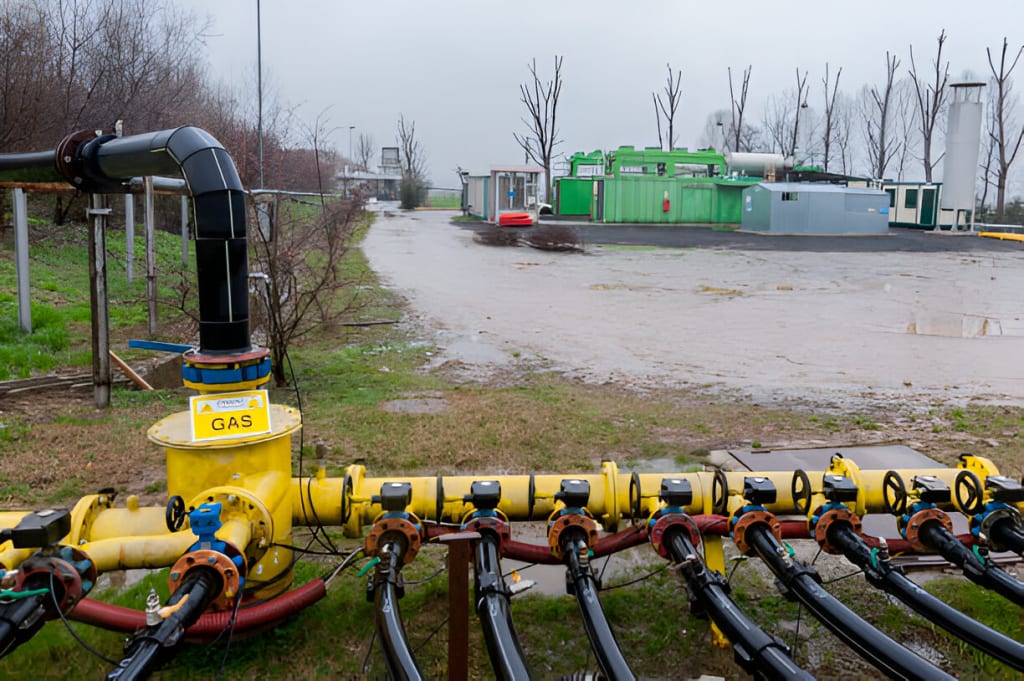
In the intricate world of wastewater management, lift stations play an indispensable role in transporting sewage and stormwater when gravity alone is insufficient. These facilities are vital components of both sanitary sewer systems and stormwater drainage networks, ensuring that water moves efficiently from lower to higher elevations and ultimately reaches treatment facilities or natural outlets. This blog aims to provide a comprehensive understanding of how lift stations work, their importance, and the maintenance and repair practices necessary to keep them functioning optimally.
What is a Lift Station?
A lift station, sometimes referred to as a pumping station, is engineered to pump wastewater or stormwater from lower areas to higher elevations where gravity can take over again. Typically constructed in places where topography or distance makes it difficult for gravity to facilitate wastewater movement, these stations contain one or multiple pumps, along with control systems and infrastructure to manage flow efficiently.
Key Components of Lift Stations
Pumps: At the heart of any lift station are its pumps. These machines are responsible for moving the wastewater or stormwater. Depending on the specific application, different types of pumps may be utilized, including submersible pumps and dry pit pumps.
Controls: Each lift station is equipped with various control systems that monitor water levels and manage the operations of the pumps. These controls are critical for optimizing pump performance and ensuring safety.
Wet Well: This is the area where wastewater collects before being pumped out. A well-designed wet well minimizes the risk of solids accumulation and allows for efficient pump operation.
Discharge Pipes: Discharge pipes transport the pumped water away from the lift station to its next destination, which is typically a treatment facility or a stormwater channel.
The Importance of Lift Stations
Lift stations are essential for:
Preventing Flooding: In emergency scenarios, such as heavy storms or rapid snowmelt, lift stations help manage excess flow, directing it to treatment plants and preventing flooding in urban areas.
Promoting Public Health: By ensuring that sanitary waste is promptly and efficiently moved, lift stations help mitigate public health risks associated with sewage backing up into homes or streets.
Facilitating Infrastructure: Many densely populated areas lack the necessary gravity gradients to move water. Lift stations enable these communities to function effectively by managing their wastewater and stormwater.
Lift Station Maintenance: The Key to Longevity
Like any mechanical system, lift stations require regular lift station maintenance to ensure their efficient operation. Routine checks can identify issues before they escalate into serious problems, preventing costly repairs or even catastrophic failures. Implementing lift station optimization strategies during maintenance can further enhance system performance, improve energy efficiency, and extend the lifespan of the equipment.
Components of Effective Maintenance
Regular Inspections: Scheduled inspections help detect wear and tear on pumps, control systems, and other critical components. Technicians generally check for leaks, wear, and debris in both the wet well and discharge pipes.
Cleaning: Accumulated debris in the wet well can hinder pump performance and lead to equipment failure. Regular cleaning helps maintain optimal conditions for efficient pumping.
Monitoring: Modern lift stations often incorporate monitoring systems that track pump performance and liquid levels in real-time, alerting operators to potential issues before they lead to a crisis.
Handling Lift Station Repairs
Even with stringent maintenance protocols in place, lift stations will occasionally require lift station repairs. Understanding common repair needs can help operators prepare for and swiftly address issues.
Common Repair Scenarios
Pump Failures: Pump equipment can fail due to various factors, including mechanical wear or electrical malfunctions. Quick lift station pump repair can often restore functionality without the need for complete replacement.
Electrical Issues: Problems with the electrical control system can disrupt operations. Repairing or replacing faulty wires, switches, or sensors is crucial to maintaining proper function.
Structural Concerns: Over time, the physical structure of a lift station can deteriorate due to age or environmental factors. Addressing cracks or leaks promptly can prevent more significant issues down the line.
Lift Station Pump Replacement
Occasionally, pumps may need to be completely replaced instead of repaired, especially if they have reached the end of their operational life. Lift station pump replacement is a significant undertaking that requires careful planning to minimize downtime and disruption. Professional lift station services ensure that pump replacements are handled efficiently, reducing operational delays and maintaining system performance.
Factors to Consider for Pump Replacement
Capacity and Efficiency: When replacing a pump, it's essential to select one that meets the specific flow and pressure requirements of the lift station. Upgrading to a more efficient model can also lead to long-term energy savings.
Installation Time: Minimizing downtime during the installation process is crucial. Operators often develop temporary bypass systems to manage flow during the replacement.
Cost Considerations: Evaluating the long-term costs associated with maintenance and energy consumption versus the initial cost of the new pump will determine the best financial decision for the lift station.
Conclusion
Lift stations are vital infrastructure components for managing sanitary and stormwater, ensuring efficient and safe wastewater transport. Understanding the role of these stations and the importance of lift station maintenance, lift station repairs, and lift station pump replacement can significantly enhance their reliability and longevity.
About the Creator
AQUALIS
For over two decades, AQUALIS has been the leading full-service water management provider, including stormwater, wastewater, and water quality testing across the United States and Puerto Rico.
Visit us - https://aqualisco.com/
Enjoyed the story? Support the Creator.
Subscribe for free to receive all their stories in your feed.
Comments
There are no comments for this story
Be the first to respond and start the conversation.