
Understanding Climate Change
Understanding Climate Change: Causes, Consequences, and Solutions
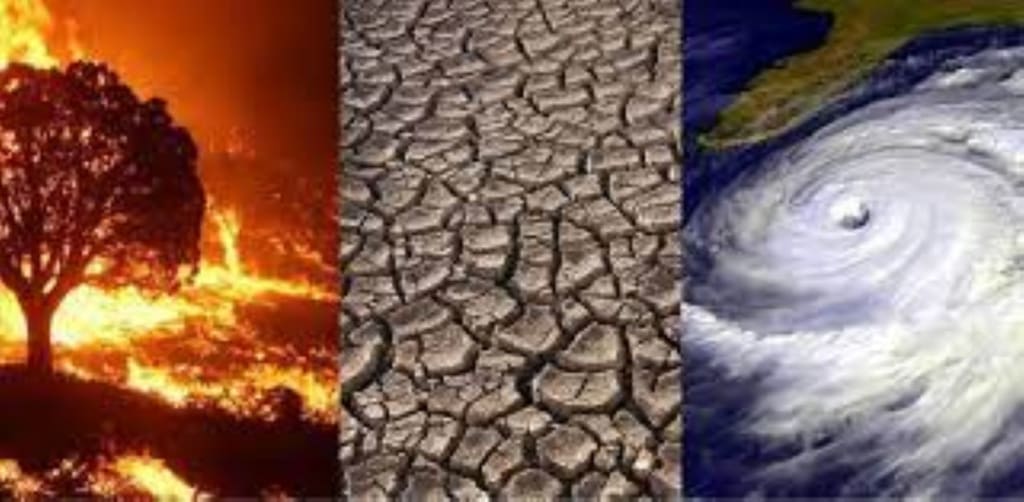
Climate change is undeniably one of the most pressing global challenges of our time. The consequences of a warming planet are already becoming evident, from more frequent and severe heatwaves to rising sea levels and changing weather patterns. In this article, we will delve into the causes of climate change, its far-reaching consequences, and the critical solutions needed to address it.
**Causes of Climate Change:**
At the heart of climate change lies the increase in greenhouse gas emissions, primarily carbon dioxide (CO2), methane (CH4), and nitrous oxide (N2O). These emissions result from human activities, the most significant of which include:
1. **Burning Fossil Fuels:** The combustion of fossil fuels such as coal, oil, and natural gas for energy production and transportation is the largest source of CO2 emissions. These emissions trap heat in the atmosphere, leading to global warming.
2. **Deforestation:** Forests act as carbon sinks, absorbing CO2 from the atmosphere. The widespread clearing of forests for agriculture and development not only releases stored carbon but also reduces the planet's capacity to absorb future emissions.
3. **Agricultural Practices:** Agricultural activities, including livestock farming and rice cultivation, release methane and nitrous oxide, potent greenhouse gases. Moreover, the use of synthetic fertilizers contributes to N2O emissions.
**Consequences of Climate Change:**
The impacts of climate change are wide-ranging and affect both natural systems and human societies. Some of the most significant consequences include:
1. **Extreme Weather Events:** Rising global temperatures lead to more frequent and severe heatwaves, hurricanes, droughts, and wildfires. These events pose immediate threats to human lives, property, and ecosystems.
2. **Rising Sea Levels:** As polar ice caps and glaciers melt due to warming temperatures, sea levels are on the rise. Coastal communities are increasingly vulnerable to flooding and erosion.
3. **Ecosystem Disruption:** Climate change disrupts ecosystems, leading to shifts in animal and plant species' habitats, altered migration patterns, and the potential extinction of vulnerable species.
4. **Water Scarcity:** Changes in precipitation patterns can result in droughts and water scarcity in some regions, impacting agriculture and freshwater resources.
5. **Health Risks:** Higher temperatures contribute to the spread of diseases, and air pollution worsens respiratory conditions. Vulnerable populations, such as the elderly and children, are particularly at risk.
**Solutions to Climate Change:**
Addressing climate change requires a multifaceted approach involving individuals, communities, governments, and businesses. Some key solutions include:
1. **Transition to Renewable Energy:** Phasing out fossil fuels and increasing the use of renewable energy sources like solar, wind, and hydropower is crucial. Government incentives and private investments can accelerate this transition.
2. **Energy Efficiency:** Improving energy efficiency in buildings, appliances, and transportation can significantly reduce energy consumption and emissions.
3. **Reforestation and Afforestation:** Protecting existing forests and planting new trees helps sequester carbon and preserve biodiversity.
4. **Sustainable Agriculture:** Implementing sustainable farming practices, such as reduced meat consumption, precision agriculture, and organic farming, can lower agricultural emissions.
5. **International Cooperation:** Collaboration among nations is essential, as climate change is a global problem. Agreements like the Paris Agreement aim to unite countries in the fight against climate change.
6. **Individual Action:** Individuals can reduce their carbon footprint by conserving energy, reducing waste, using public transportation, and supporting sustainable products and practices.
In conclusion, climate change is a complex and urgent issue that requires immediate action. Its causes are deeply rooted in human activities, and its consequences are already affecting our planet. However, there is hope in the form of solutions that can mitigate and adapt to the changing climate. By transitioning to cleaner energy sources, protecting our ecosystems, and making sustainable choices in our daily lives, we can collectively work toward a more sustainable and resilient future for our planet. Climate change is a challenge, but it is also an opportunity for positive change and a more sustainable future.
About the Creator
Enjoyed the story? Support the Creator.
Subscribe for free to receive all their stories in your feed.
Comments
There are no comments for this story
Be the first to respond and start the conversation.