
Uncovering the Myths
What Really Makes a Tequila Brand Less Genuine?
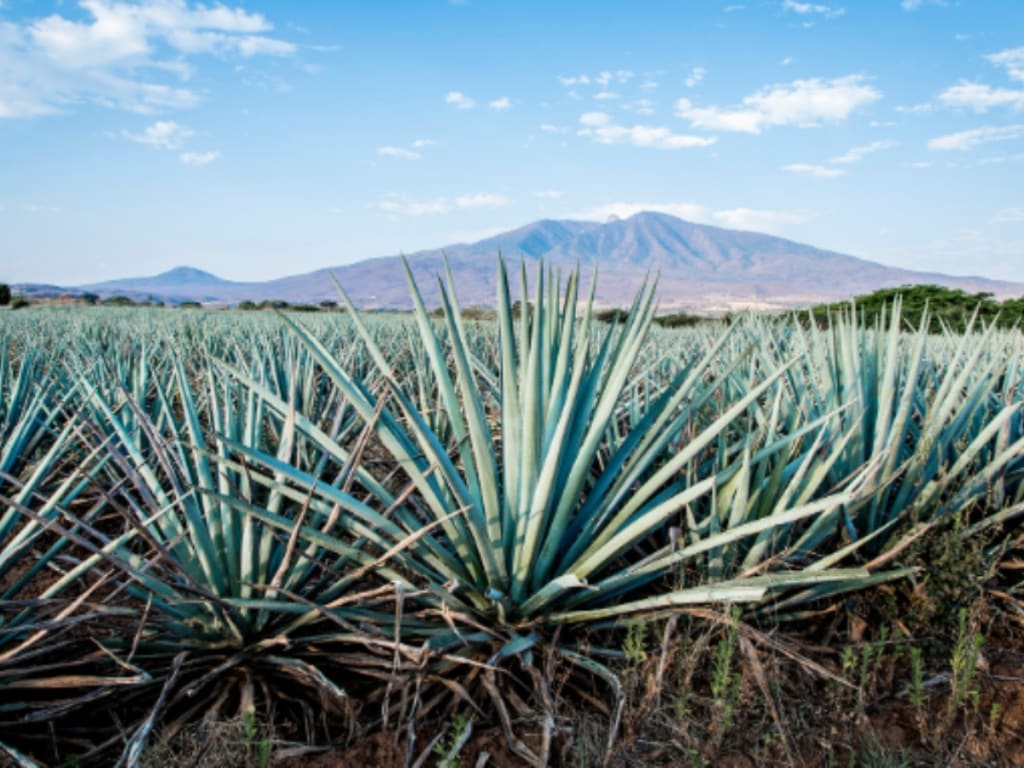
Tequila has become one of the most popular spirits worldwide. Its unique flavor and versatility make it a favorite among cocktail lovers. However, with its soaring popularity comes the rise of fake tequila brands that claim to be genuine but fall short in taste and quality. In this blog post, we will uncover the myths surrounding what makes a tequila brand less genuine. From understanding how tequila is made to spotting fake brands, you'll learn everything you need to know before your next happy hour or night out on the town! So grab your shot glass and let's dive into the world of tequila!
What is tequila?
Tequila is a type of distilled spirit made from the blue agave plant. This succulent plant is native to Mexico and grows in the central-western regions of the country, where it has been cultivated for centuries. Tequila must be produced in specific Mexican states such as Jalisco, Guanajuato, Michoacán, Nayarit, and Tamaulipas.
To make tequila, mature blue agave plants are harvested by hand and their leaves are removed to reveal the core or piña. The piñas are roasted in ovens or autoclaves to break down their complex sugars into fermentable ones. Once cooled, they're crushed to extract juice that will undergo fermentation using yeast.
The fermented juice is then distilled twice before being aged (if desired) in oak barrels for at least two months but no more than three years. There are different types of tequila based on its aging process: Blanco (no aging), Reposado (aged between 2-12 months), Añejo (aged between 1-3 years), Extra Añejo (aged over 3 years).
Each type has its unique flavor profile and characteristics that can be enjoyed straight-up or mixed with other ingredients to create delicious cocktails!
How is tequila made?
Tequila is made from the blue agave plant, which grows primarily in the Jalisco region of Mexico. The process begins with harvesting the mature agave plants, which can take anywhere from 8 to 12 years to reach maturity. Once harvested, the leaves are stripped away and only the core or "piña" remains.
The piñas are then slowly roasted in ovens or pits for up to three days, giving them a sweet and smoky flavor. After roasting, they are crushed and shredded to extract their juices.
The extracted juice is then mixed with water before being distilled twice. This results in a clear liquid called blanco tequila. Some brands choose to age their tequila in oak barrels for various periods of time resulting in reposado (aged for at least two months), añejo (aged for at least one year) or extra añejo (aged for at least three years).
Before being bottled, genuine tequilas must be made using only Blue Weber Agave grown within specific regions of Mexico and should not contain any added sugars or other additives.
Making authentic tequila requires a delicate balance of tradition and modern techniques that come together seamlessly to create a smooth yet complex drink enjoyed by millions around the world today.
The different types of tequila
Tequila is a distilled spirit that comes in different types. The type of tequila you drink depends on its production process, aging and quality.
The most common types of tequila are blanco, reposado, añejo and extra-añejo. Blanco or silver tequilas are unaged and bottled right after the distillation process. These have a clear appearance with bold flavors and aromas of agave.
Reposado or rested tequilas undergo up to 12 months of aging in oak barrels which give them a light golden color with notes of vanilla, caramel and wood.
Añejo or aged tequilas are stored for at least one year but no more than three years giving them rich amber colors, complex flavors, spicy tones along with sweet notes from the barrel.
Extra-añejo is the newest category added to classify premium high-end aged Tequilas that must be aged for a minimum period exceeding three years in oak barrels resulting typically in an intense dark gold color.
Knowing about the different types of Tequila can help you select your favorite variety based on what appeals to your taste buds.
What makes a tequila brand less genuine?
There are several factors that can make a tequila brand less genuine, ranging from its production process to its labeling and marketing practices. One of the most common ways that brands cut corners is by using non-agave additives or fillers in their tequila, which can significantly alter the taste and quality of the final product.
Another factor that can affect a tequila's authenticity is how it is aged. Some cheaper brands might use artificial coloring or flavoring agents instead of going through proper aging processes like barrel-aging or resting. This not only affects the taste but also takes away from the unique character of true tequilas.
Additionally, some companies may try to pass off other spirits as "tequila" by using similar bottle shapes or labels to deceive consumers. It's important for buyers to check if they're purchasing 100% blue agave tequila made in specific regions within Mexico, such as Jalisco, Nayarit, Guanajuato and Tamaulipas.
Some brands may market themselves as authentic while still engaging in questionable business practices behind-the-scenes. For example, they may source their agave from outside Mexico or employ underpaid workers during manufacturing processes.
It’s crucial for consumers to do research on different brands before making any purchases and be mindful of red flags when assessing whether a brand is genuine or not.
How to spot a fake tequila brand
When it comes to spotting a fake tequila brand, there are several things to look out for. First and foremost, check the label carefully. A genuine tequila bottle will always have the "100% agave" label on it. If a bottle doesn't have this label or has any other additives listed, it's likely not genuine.
Another thing to consider is the price point of the tequila you're looking at. Genuine tequilas tend to be more expensive due to their production process and quality ingredients used. So if you see a tequila that seems too good to be true in terms of its low price point, it probably is.
Next, examine the packaging closely. A fake brand might try to emulate genuine brands' packaging but may contain small differences like misspellings or different fonts.
Pay attention to where you're buying your tequila from - make sure you're purchasing from reputable retailers who have experience selling authentic products and avoid buying from street vendors or unlicensed sellers as they may sell counterfeit products.
By being vigilant about these factors when purchasing your next bottle of tequila, you can help ensure that what you're drinking is truly genuine and safe for consumption!
Conclusion
As we've discovered, there are a few key factors that can make a tequila brand less genuine. Firstly, the quality of the agave used in production is crucial. Brands that use cheaper, lower-quality agave will produce a less authentic and flavorful tequila.
Secondly, the method of production also plays an important role in determining the authenticity of a tequila brand. Tequilas that cut corners and rush through the process will lack depth and complexity.
Thirdly, it's important to consider where your tequila comes from. While there are many excellent brands produced outside of Mexico, if you want to ensure you're getting an authentic product then choosing a Mexican-produced tequila is your best bet.
When looking for genuine tequilas, be sure to do your research on both the brand and distillery before purchasing. Check reviews online and look for information on how each brand sources their ingredients and produces their product.
By keeping these factors in mind when shopping for tequila, you'll be well-equipped to spot fake or inferior brands and enjoy only top-quality spirits with true authenticity.
About the Creator
Enjoyed the story? Support the Creator.
Subscribe for free to receive all their stories in your feed.
Comments
There are no comments for this story
Be the first to respond and start the conversation.