
Ultimate Camping Essentials: The 15 Must-Pack Camping Essentials for a Hassle-Free Getaway
Here's a comprehensive guide on camping essentials to use as camping checklist! Whether you're an experienced camper looking to optimize your gear or a first-timer seeking guidance on what to bring, we'll walk you through the must-have items for a comfortable and memorable outdoor adventure, ensuring you're well-prepared for your next camping trip. From shelter and sleeping gear to cooking essentials and safety items, we've compiled a detailed camping checklist to simplify your preparation.

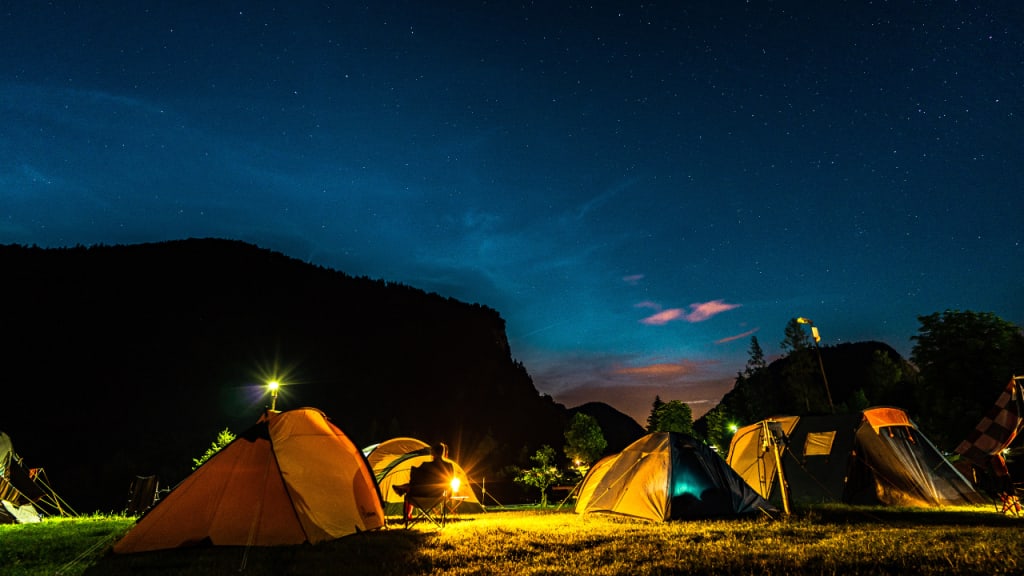
1. Camping Tent
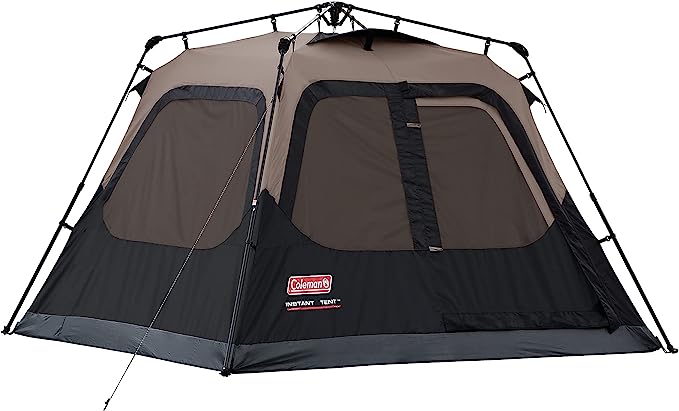
- Look for a tent with a rainfly, which is an outer waterproof layer that prevents rainwater from seeping into the tent.
- Consider the tent's capacity, weight, and ease of setup to match your camping needs and preferences.
- Ventilation is essential to prevent condensation inside the tent, so choose a model with mesh panels or windows.
- Durability is crucial for withstanding outdoor conditions; opt for sturdy materials and reinforced seams.
CLICK TO GET YOUR CAMPING TENT NOW
2. Sleeping Bag
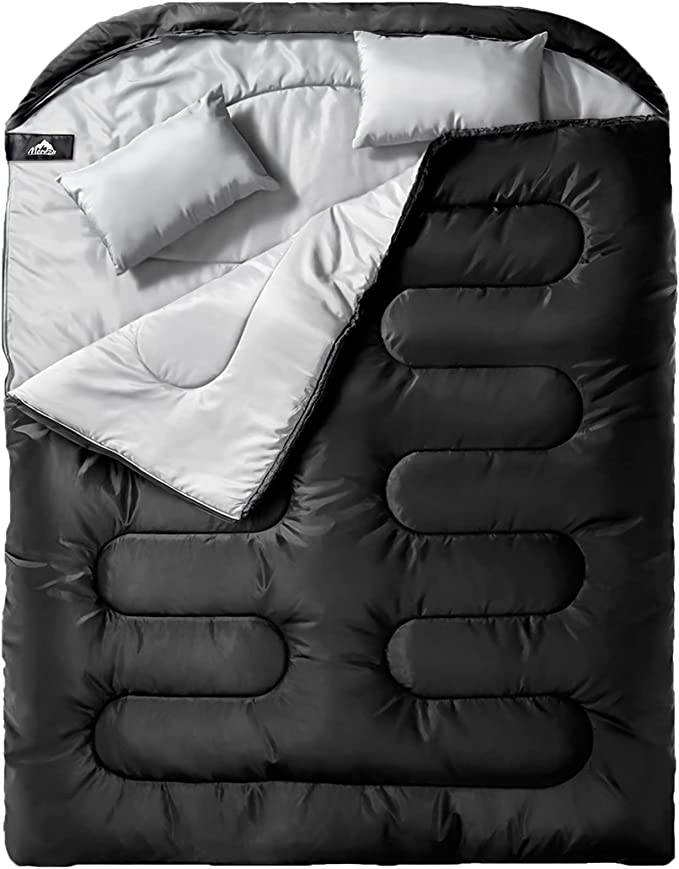
- A high-quality sleeping bag keeps you warm and comfortable during chilly nights.
- Choose a sleeping bag rated for the lowest temperatures you expect to encounter during your camping trips.
- Insulation materials like down or synthetic fibers affect warmth and compressibility; down is lighter but may lose insulation when wet, while synthetic retains some warmth when damp.
- Consider the bag's shape; mummy-style bags offer better heat retention, while rectangular bags provide more room for movement.
- Pay attention to the weight and packed size to ensure it fits well in your backpack.
CLICK TO GET YOUR SLEEPING BAG NOW
3. Sleeping Pad or Camping Mat
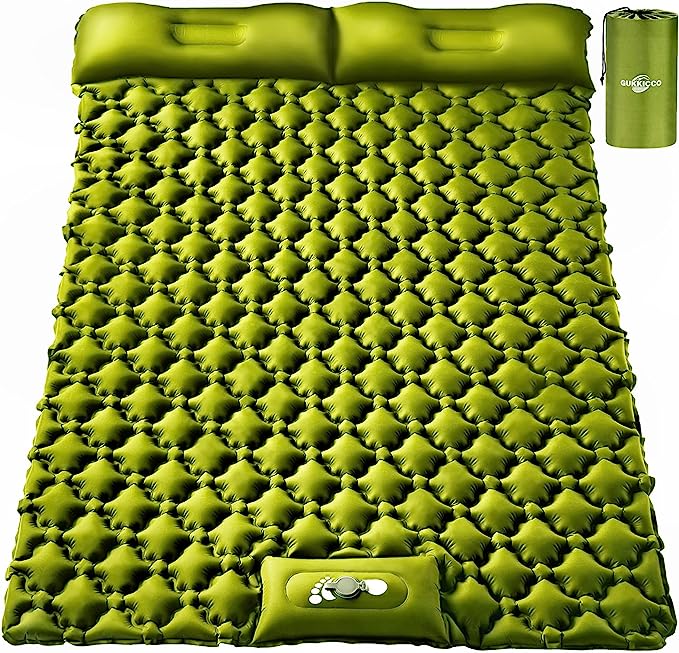
- A sleeping pad or camping mat provides insulation and cushioning between your body and the ground, enhancing comfort and warmth.
- Choose a pad with an appropriate R-value (thermal resistance) for the expected temperature; higher R-values provide better insulation.
- Inflatable pads are lightweight and compact but may require inflation, while foam pads are more durable but bulkier.
- Opt for self-inflating pads or pads with built-in pumps for convenience.
CLICK TO GET YOUR SLEEPING PAD NOW
4. Backpack
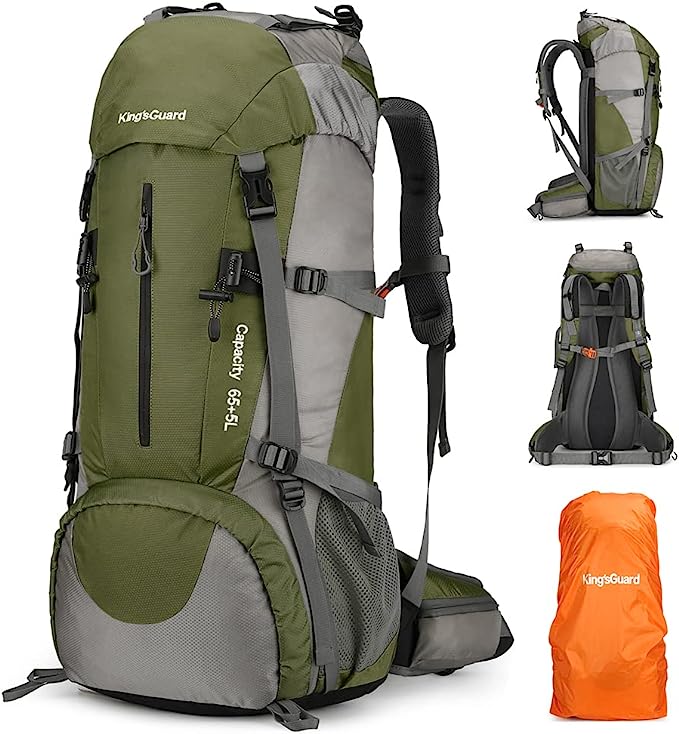
- A well-fitted and sturdy backpack is essential for carrying all your camping gear comfortably.
- Look for adjustable straps and a hip belt to distribute weight evenly and reduce strain on your shoulders.
- Consider the backpack's capacity, choosing one that accommodates all your essentials without being too large or heavy.
- Multiple compartments help with organizing and accessing your gear efficiently.
- Water-resistance or a built-in rain cover keeps your belongings dry during wet conditions.
CLICK TO GET YOUR BACKPACK NOW
5. Portable Stove or Cooking System
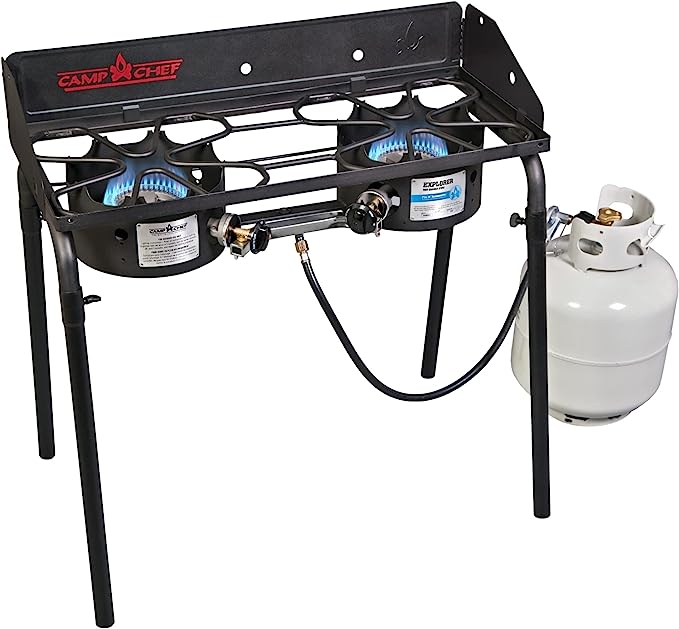
- A portable stove or cooking system allows you to prepare hot meals and beverages while camping.
- Consider the type of fuel the stove uses (propane, isobutane, alcohol) based on availability and ease of use.
- Look for lightweight and compact models that fit well in your backpack.
- Some stoves offer wind protection, which is essential for efficient cooking in windy conditions.
CLICK TO GET YOUR CAMPING COOKING SYSTEM NOW
6. Water Filtration System
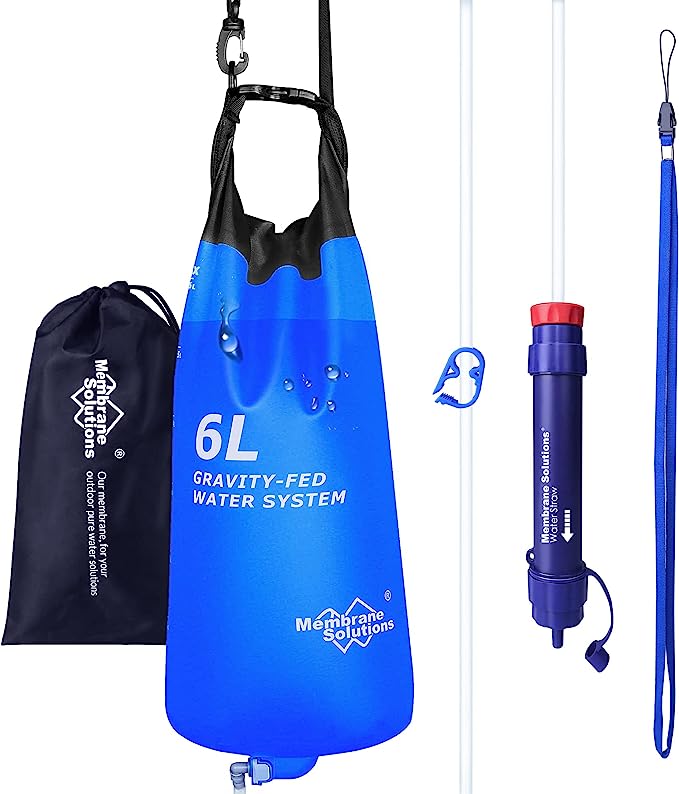
- A water filtration system ensures you have access to clean drinking water from natural sources like rivers and streams.
- Choose between water filters and water purifiers; filters remove bacteria and protozoa, while purifiers also eliminate viruses.
- Consider the flow rate and capacity of the filtration system to meet your water needs efficiently.
- Check the filter's lifespan and whether replacement cartridges are readily available.
CLICK TO GET YOUR WATER FILTRATION SYSTEM NOW
7. Headlamp or Flashlight
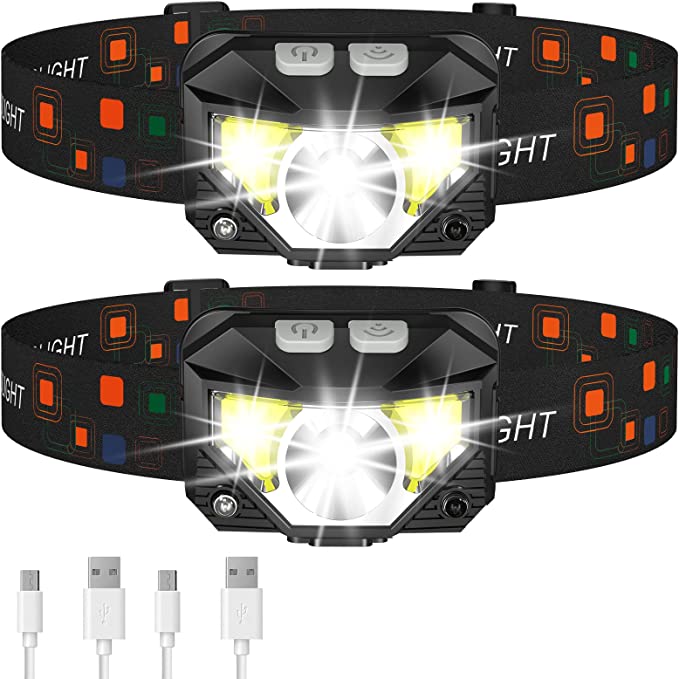
- A reliable light source is essential for navigating in the dark and performing tasks around the campsite.
- Headlamps offer hands-free illumination and are ideal for activities like cooking or reading in the tent.
- Look for adjustable brightness settings and a long-lasting battery life.
- Consider a lightweight and compact design for easy portability.
CLICK TO GET YOUR CAMPING HEADLAMP NOW
8. Multi-Tool or Camping Knife
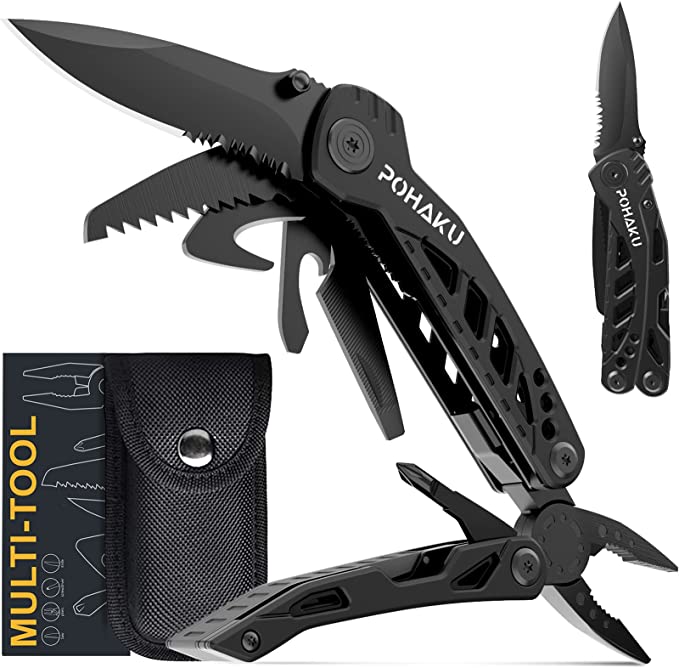
- A multi-tool or camping knife serves various purposes, from preparing food to fixing gear.
- Choose a tool with multiple functions like pliers, knife blades, screwdrivers, and scissors.
- Consider the material and durability of the tool; stainless steel is a common choice for its rust resistance.
- Compact and foldable designs are more practical for camping.
CLICK TO GET YOUR CAMPING KNIFE NOW
9. Appropriate Clothing
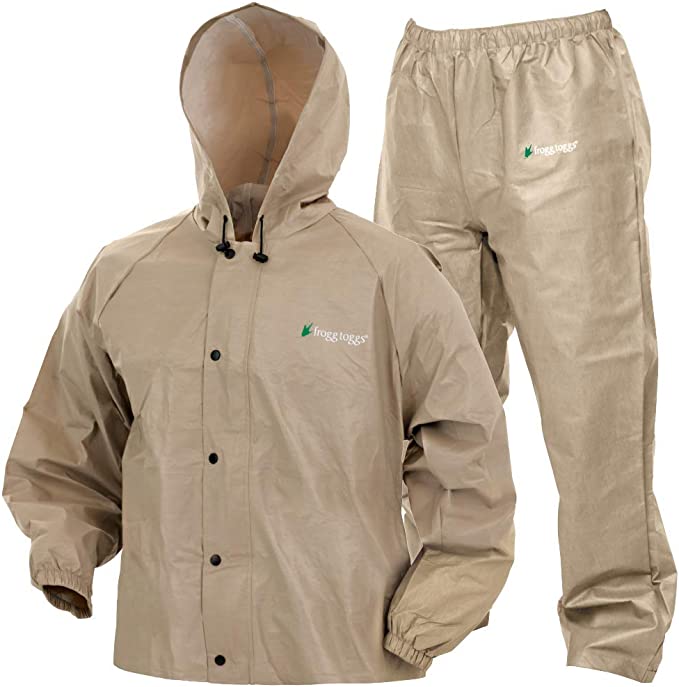
- Pack clothing suitable for the expected weather conditions, including layers for versatile use.
- Quick-drying and moisture-wicking fabrics help keep you comfortable during physical activities.
- Choose clothing with sun protection, especially for summer camping trips.
- Bring rain gear or a waterproof jacket to stay dry during unexpected rain showers.
CLICK TO GET YOUR CAMPING CLOTHING NOW
10. First Aid Kit
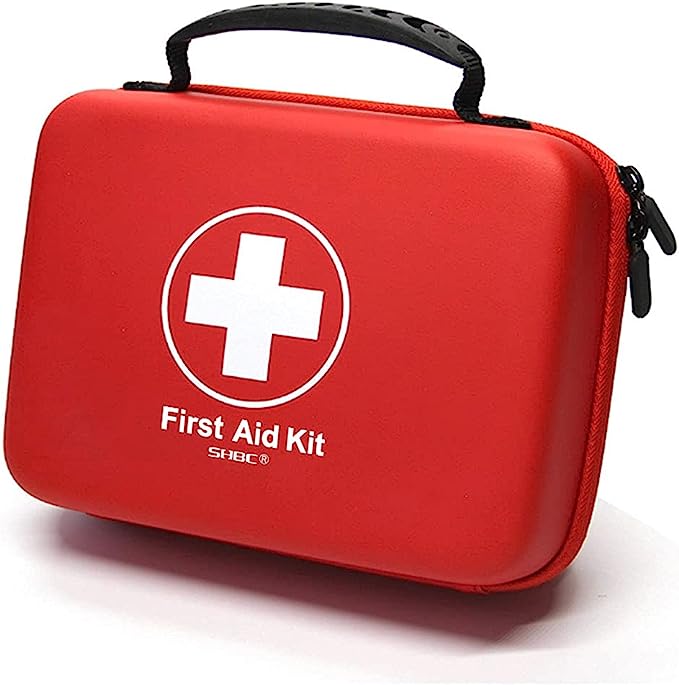
- A first aid kit is crucial for addressing minor injuries and medical emergencies while camping.
- Include bandages, adhesive tape, antiseptic wipes, pain relievers, gauze pads, and any personal medications you may need.
- Familiarize yourself with basic first aid procedures and ensure the kit's contents are up-to-date.
CLICK TO GET YOUR FIRST AID KIT NOW
11. Map and Compass/GPS
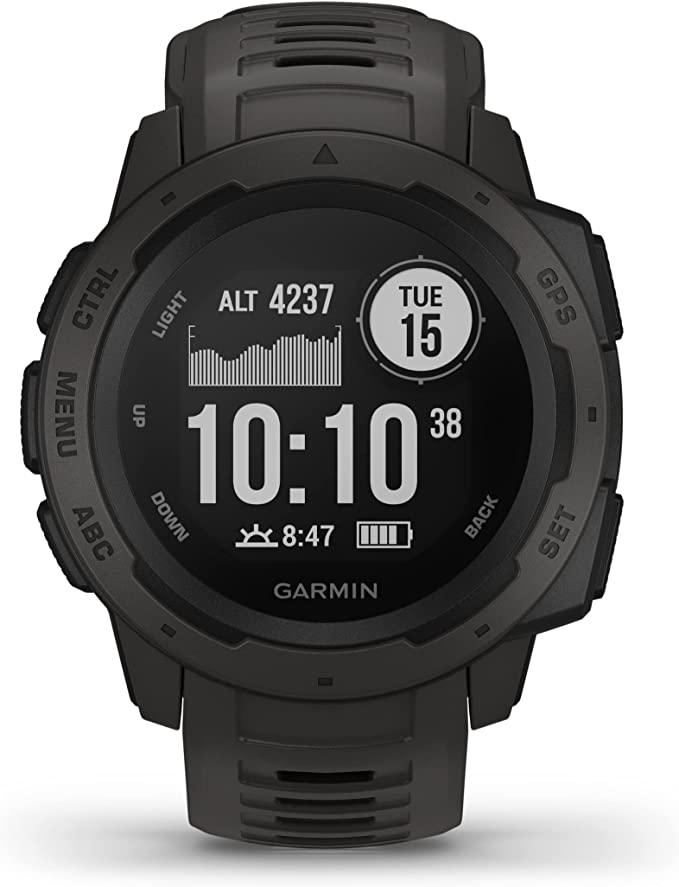
- A map and compass or GPS device help you navigate and stay on track during hikes or explorations.
- Familiarize yourself with the map and the area's landmarks before starting your journey.
- Have a backup navigation method in case your GPS device malfunctions or runs out of battery.
CLICK TO GET YOUR CAMPING GPS DEVICE NOW
12. Fire Starter Kit
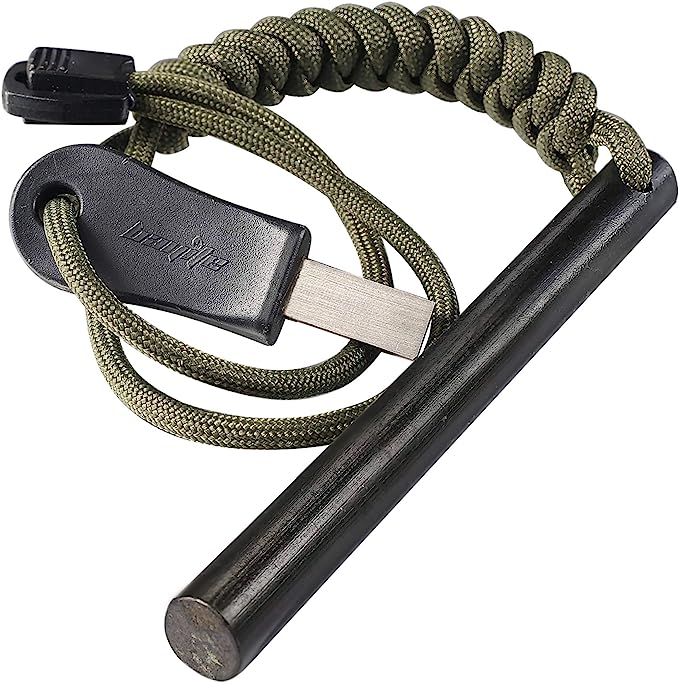
- A fire starter kit is essential for warmth, cooking, and signaling for help if needed.
- Include waterproof matches or a lighter as the primary ignition source.
- Firestarter cubes or magnesium sticks can serve as reliable backups.
- Pack dry tinder or fire starter material to help initiate the fire.
CLICK TO GET YOUR CAMPING FIRE STARTER KIT NOW
13. Trash Bags
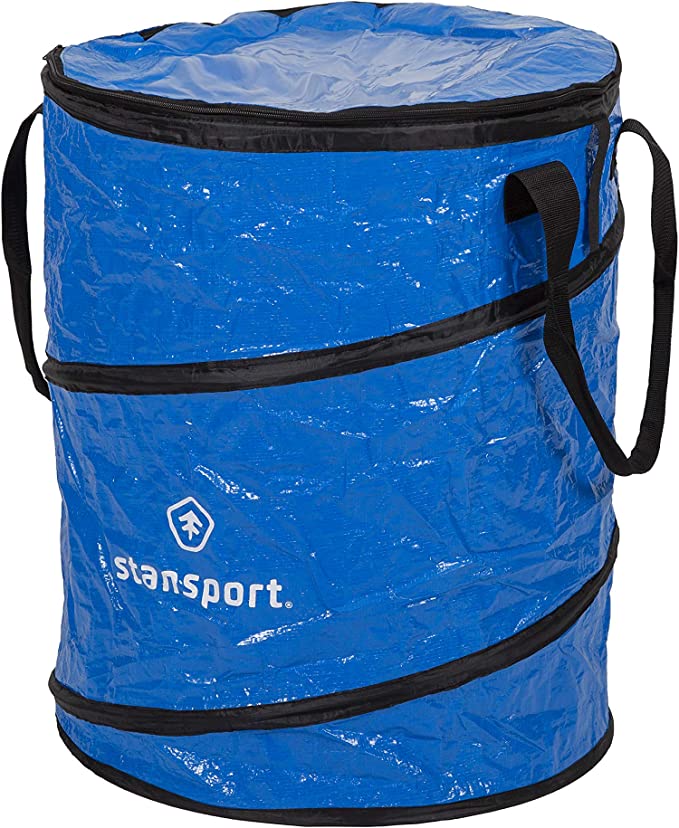
- Carry out all your trash and leave no trace of your presence to preserve the environment.
- Use eco-friendly trash bags that won't harm the ecosystem if left behind.
- Dispose of trash responsibly in designated waste bins after your camping trip.
CLICK TO GET YOUR CAMPING TRASH CAN NOW
14. Insect Repellent
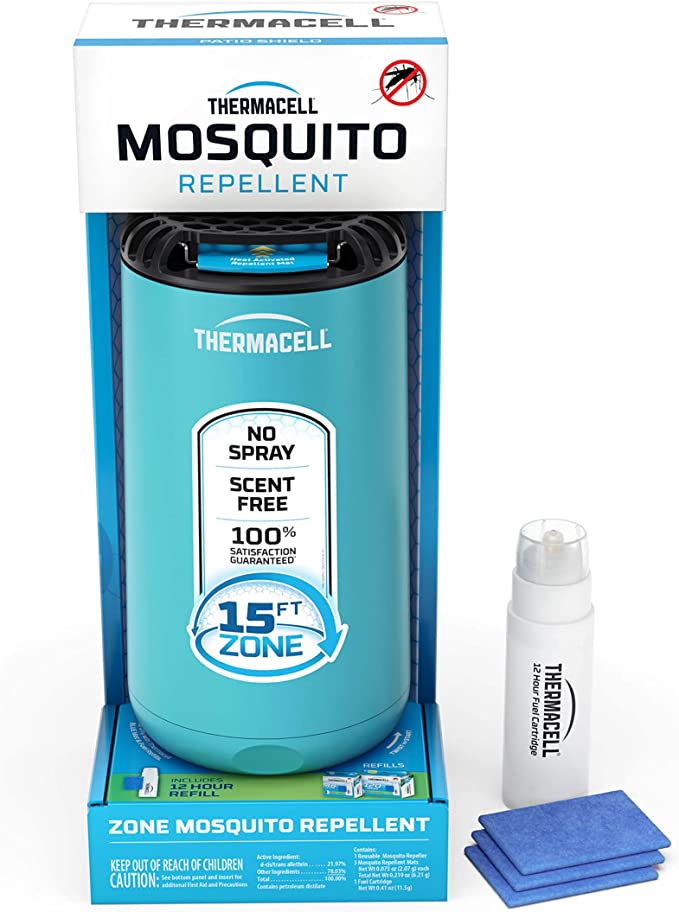
- Insect repellent helps keep pesky bugs at bay and prevents discomfort and potential diseases.
- Look for DEET-free repellents for a more eco-friendly option.
- Consider using natural remedies like citronella candles or essential oils if you prefer a chemical-free approach.
CLICK TO GET YOUR CAMPING INSECT REPELLENT NOW
15. Personal Items and Toiletries
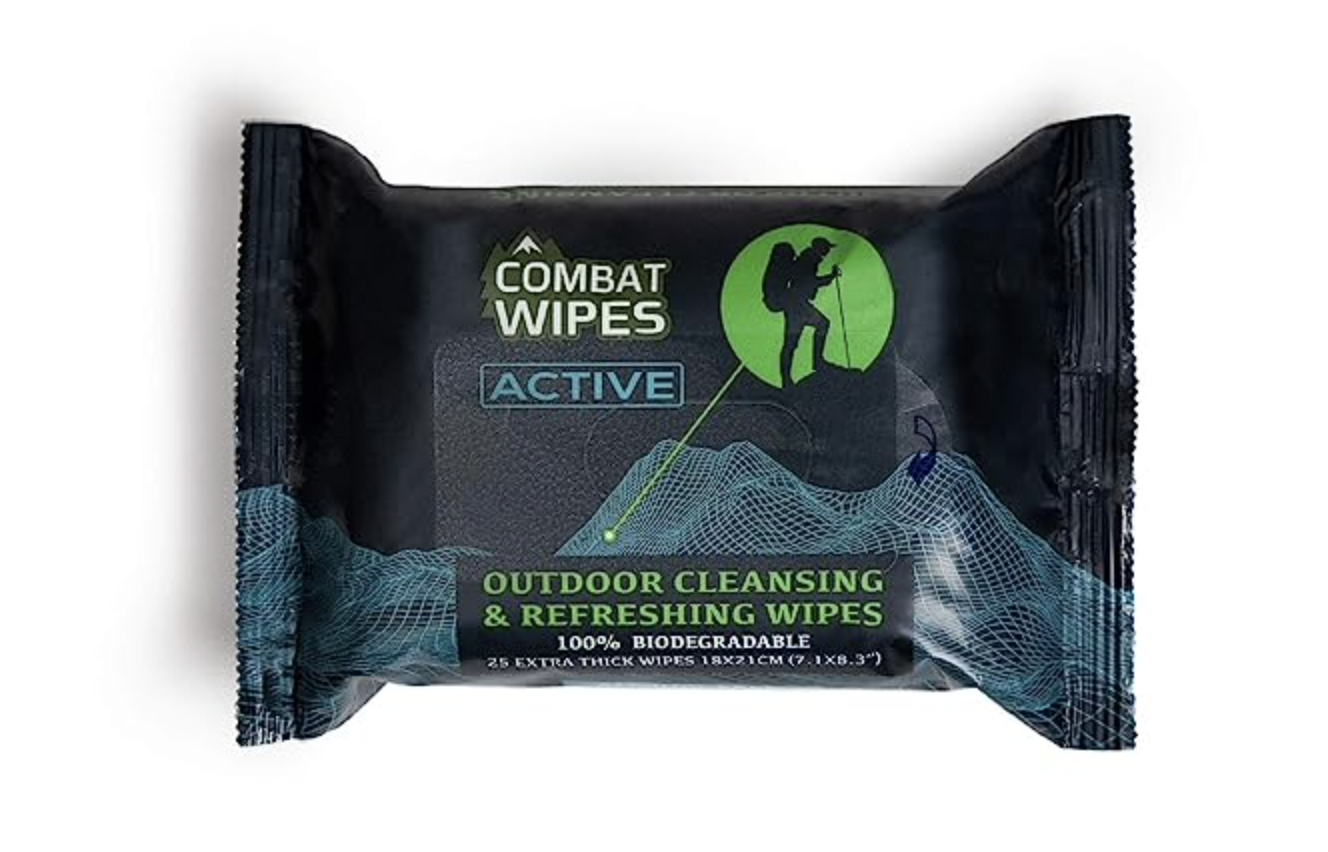
- Bring personal items like sunscreen, hand sanitizer, toothbrush, and any personal hygiene items you may need.
- Choose travel-sized toiletries to save space in your backpack.
- Pack toilet paper and a trowel for proper waste disposal during backcountry camping
CLICK TO GET YOUR CAMPING TOILETRIES NOW
By packing these camping essentials and understanding their characteristics, you'll be well-prepared for a safe and enjoyable outdoor experience. Remember to check local regulations and leave no trace of your visit to help protect nature for future generations. Happy camping!
About the Creator
Davide Barbieri
Tech entrepreneur and dad of 2 - thrives on exploration and creative thinking. My life's journey has led me through the enchanting streets of Italy, the rugged landscapes of Ireland, and the vibrant energy of Albania.
Enjoyed the story? Support the Creator.
Subscribe for free to receive all their stories in your feed.
Comments
There are no comments for this story
Be the first to respond and start the conversation.