
Tyre-to-Oil Carbon Footprint Analysis: How Much CO₂ Can Be Reduced by Processing 1 Ton of Waste Tyres?
Understanding the Environmental Value of a Tyre Oil Plant
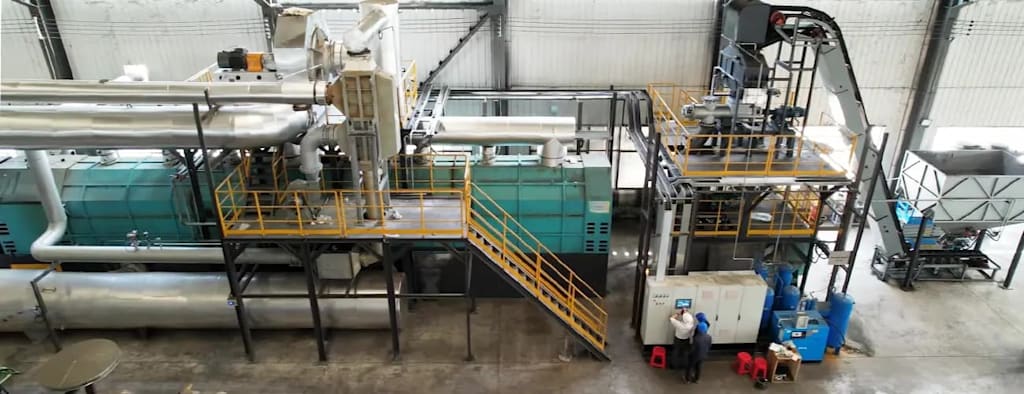
As governments and industries search for practical solutions to reduce carbon emissions and tackle waste pollution, tyre recycling technologies are attracting global attention. Among them, the tyre-to-oil process has emerged as a promising approach that converts discarded tyres into valuable fuel products while reducing landfill pressure and environmental risks.
A modern tyre oil plant uses pyrolysis technology to thermally decompose waste tyres in an oxygen-free environment. The process produces tyre pyrolysis oil, carbon black, steel wire, and combustible gas that can be reused for industrial applications. Beyond waste management, one of the most important questions today is: how much CO₂ emissions can actually be reduced by processing one ton of waste tyres?
This article explores the carbon footprint benefits of tyre pyrolysis and explains why tyre-to-oil projects are increasingly considered part of the circular economy and low-carbon energy transition.
The Carbon Problem of Waste Tyres
Every year, the world generates more than one billion waste tyres. Traditional disposal methods such as landfilling, open burning, or illegal dumping create severe environmental problems.
When tyres are burned directly, large amounts of carbon dioxide, sulfur oxides, and toxic particulates are released into the atmosphere. Landfilled tyres also occupy valuable land resources and may cause fire hazards or groundwater contamination.
In contrast, tyre pyrolysis converts waste into reusable resources with significantly lower emissions compared to conventional disposal methods.
How a Tyre Oil Plant Reduces Carbon Emissions
The carbon reduction potential of a tyre oil plant mainly comes from four aspects:
1. Avoiding Direct Incineration Emissions
If one ton of waste tyres is openly burned or inefficiently incinerated, it can release approximately 2.5 to 3 tons of CO₂ equivalent emissions. Pyrolysis technology controls decomposition in a sealed reactor, reducing uncontrolled combustion and lowering greenhouse gas emissions.
2. Replacing Fossil Fuels
Tyre pyrolysis oil can partially replace traditional furnace oil or heavy fuel oil in industrial heating systems. Since the oil is produced from recycled waste materials, it offsets the demand for newly extracted fossil fuels.
On average, one ton of waste tyres can produce about 400–450 kg of tyre oil. Using this recycled fuel may reduce fossil fuel-related emissions by approximately 0.8 to 1.2 tons of CO₂.
3. Recovering Steel and Carbon Black
A tyre oil plant also recovers steel wire and carbon black from waste tyres. Recycled steel requires far less energy than primary steel production from iron ore, helping reduce industrial emissions.
Recovered carbon black can also substitute part of the virgin carbon black used in rubber and plastic manufacturing, reducing the carbon footprint of raw material production.
4. Utilizing Pyrolysis Gas as Energy
The combustible gas generated during pyrolysis is often reused to heat the reactor itself. This internal energy recycling lowers external fuel consumption and improves overall energy efficiency.
Estimated CO₂ Reduction per Ton of Waste Tyres
Although the exact carbon reduction depends on plant design, energy source, and local waste treatment practices, industry studies generally estimate that processing one ton of waste tyres through pyrolysis can reduce approximately 1.5 to 3 tons of CO₂ equivalent emissions compared with conventional disposal and fossil fuel use.
A simplified estimation may include:
- 1.0–1.5 tons CO₂ reduction from avoiding incineration or landfill-related emissions
- 0.8–1.2 tons CO₂ reduction from replacing fossil fuel consumption
- Additional savings from recycled steel and carbon black recovery
As pyrolysis systems become more energy-efficient and environmentally compliant, the carbon reduction performance continues to improve.
Why Carbon Footprint Matters for the Tyre Recycling Industry
Carbon footprint analysis is becoming increasingly important for investors, manufacturers, and governments. Many countries now encourage low-carbon recycling technologies through carbon credit systems, green financing, and sustainability regulations.
For tyre recycling companies, demonstrating measurable CO₂ reduction can provide several advantages:
- Improved ESG (Environmental, Social, and Governance) performance
- Eligibility for carbon trading or environmental incentives
- Better brand reputation and customer trust
- Compliance with international sustainability standards
As a result, modern tyre oil plant projects are no longer viewed only as waste treatment facilities but also as contributors to carbon neutrality goals.
The Future of Tyre-to-Oil Technology
The global shift toward circular economy models is creating strong demand for sustainable tyre recycling solutions. Advanced tyre pyrolysis technologies now feature automated control systems, continuous feeding designs, improved oil quality, and lower emissions.
In the future, tyre-to-oil plants may integrate with renewable energy systems, carbon capture technologies, and green refining processes to further reduce environmental impact.
With growing pressure to reduce industrial emissions and manage solid waste responsibly, tyre pyrolysis is expected to play a larger role in sustainable resource recovery.
Conclusion
Processing one ton of waste tyres through a tyre oil plant can potentially reduce around 1.5 to 3 tons of CO₂ equivalent emissions, depending on operational efficiency and downstream product utilization.
By transforming waste tyres into useful energy products and recyclable materials, tyre pyrolysis technology supports both environmental protection and resource conservation. As industries continue to pursue low-carbon solutions, tyre-to-oil projects are becoming an increasingly important part of the global circular economy and climate strategy.
About the Creator
Enjoyed the story? Support the Creator.
Subscribe for free to receive all their stories in your feed.
Comments
There are no comments for this story
Be the first to respond and start the conversation.