
Turning Every Inch of Wood Residue into a Medal for Earth
The Alchemy of the Forest
In our hyper-connected world, we are accustomed to the instantaneous flow of information, yet we often overlook nature’s most primitive gift: wood. For too long, the fallen branches scattered across forest floors, the sawdust left behind in furniture factories, and the trimmings from urban landscaping have met a dismal end—either left to rot or tossed into landfills. This is not just a massive waste of resources; it is a silent betrayal of our atmosphere.
However, a "carbon revolution" is quietly rising. Through a process known as Forest Alchemy, we are redefining what is considered waste and what is considered treasure.
The Core Miracle: An Energy Converter Inside the Furnace
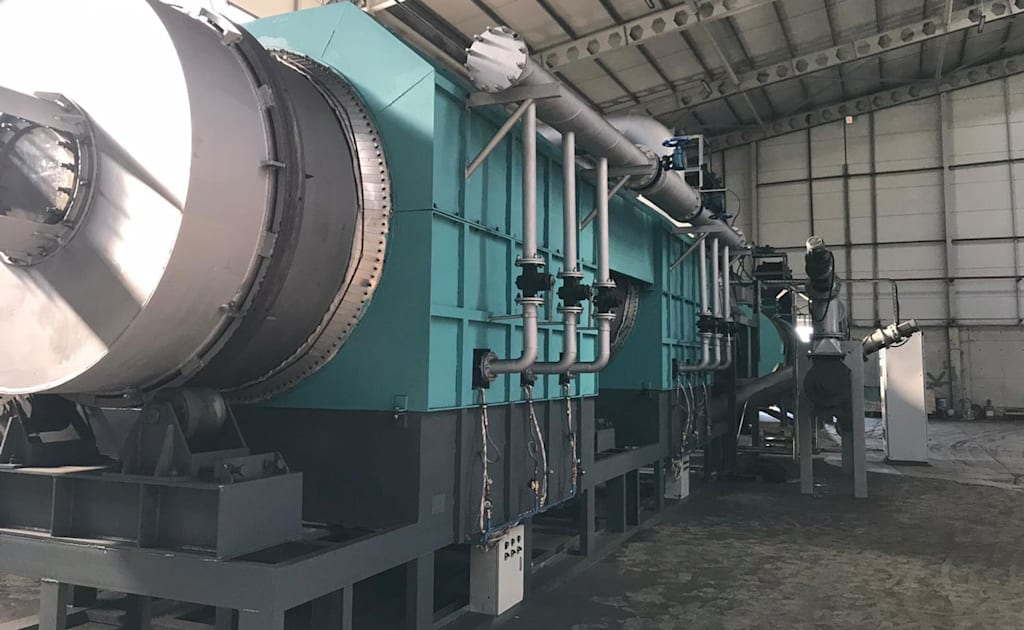
While we pursue a grand environmental vision, the pivot point of this transformation lies in its central engine: the Wood Pyrolysis Plant.
This system is the unique "technical heart" of the circular economy chain. The logic of this machine is both elegant and efficient: instead of the blunt force of traditional incineration, it performs a "gentle disassembly" of woody biomass in a completely oxygen-free, high-temperature sealed environment. As sawdust or wood chips enter the reaction chamber, the machine’s precision temperature control snaps the chemical bonds within the wood.
In this process, the plant produces no billowing black smoke. Instead, it yields three distinct "gifts" of immense value:
- Biochar: Solid wealth with a sponge-like structure;
- Bio-oil: Liquid energy often referred to as "Green Crude";
- Syngas: A clean gas capable of self-driving the entire energy cycle.
The existence of this machinery forcibly redirects the life cycle of waste, turning an "endpoint" back into a "starting point."
Carbon Sequestration: Shackling Carbon Dioxide
If forests are the lungs of the Earth, then this technology is a "shot of adrenaline" for the planet. Traditional decay or open burning releases the carbon absorbed by trees back into the atmosphere, accelerating the greenhouse effect. However, through this method, we convert roughly half of the carbon in the wood into extremely stable Biochar.
Biochar is a near-eternal substance; it can remain in the soil for hundreds of years without decomposing. By doing this, we use technology to physically intercept carbon from the atmospheric cycle and "lock" it deep in the ground. This isn't just a reduction in emissions—it is active negative emissions. This gentle care for the environment transforms companies from environmental "debtors" into "guardians."
The Circular Economy: Letting Resources Live Forever in a Loop
In a traditional linear economy, the path is "Take-Make-Dispose." In the new paradigm of wood cycling, this process becomes a perfect circle:
- Waste Homecoming: Agricultural and forestry residues are no longer wildfire hazards but precious raw materials.
- Energy Self-Sufficiency: The syngas produced during the process can be fed back to provide heat for the equipment. This logic of "using energy from waste to process waste" minimizes reliance on fossil fuels.
- Nourishing the Earth: The resulting biochar returns to barren lands. Its microporous structure retains water and nutrients, preventing fertilizer runoff.
This is more than waste management; it is ecological compensation. We take wood from the forest and, through this technology, return vitality to the soil.
A Symphony of Economic and Ecological "Win-Wins"
In the past, environmental protection often implied high costs. Today, sustainability is proving its profitability. For investors and industries, this is no longer just a "green project"—it is a diversified revenue center.
- Agricultural Premiums: As a soil enhancer, biochar is in high demand in the organic farming market.
- Energy Alternatives: The bio-oil produced can serve as fuel for industrial boilers or be further refined, providing a hedge against volatile oil prices.
- Carbon Credits: As global carbon markets mature, the carbon sequestered in each batch can be converted into tangible carbon credits, appearing as green assets on a company's balance sheet.
Challenges and Vision: The Path to a Net-Zero Future
Of course, no great voyage is without its storms. High initial investment costs and a shortage of specialized talent remain hurdles. How do we further increase energy conversion rates? How do we make smaller, mobile units accessible to remote forest regions? These are the fortresses that researchers are currently storming.
But the trend is unstoppable. As the world chases the goals of the Paris Agreement, this "waste-to-treasure" technology has shifted from an "alternative" to a "necessity."
Conclusion: For a Greener Forest
Wood pyrolysis is more than an industrial technique; it is a covenant of reconciliation between humanity and nature. It proves that civilization does not have to advance at the expense of the environment. Through the marriage of wisdom and technology, we can make every dry twig glow with heat and light, and turn every ton of waste into medicine for a healing Earth.
When we look toward the forests of the future, we will no longer see just timber, but a vibrant, closed-loop field of green energy. This revolution of wood has only just begun.
About the Creator
Enjoyed the story? Support the Creator.
Subscribe for free to receive all their stories in your feed.
Comments
There are no comments for this story
Be the first to respond and start the conversation.