
Tundra and permafrost
The tundra is one of the most extreme and fascinating biomes on Earth. Characterized by its cold climate, strong winds, and minimal vegetation, it is a unique ecosystem that plays a critical role in the planet’s ecological balance.

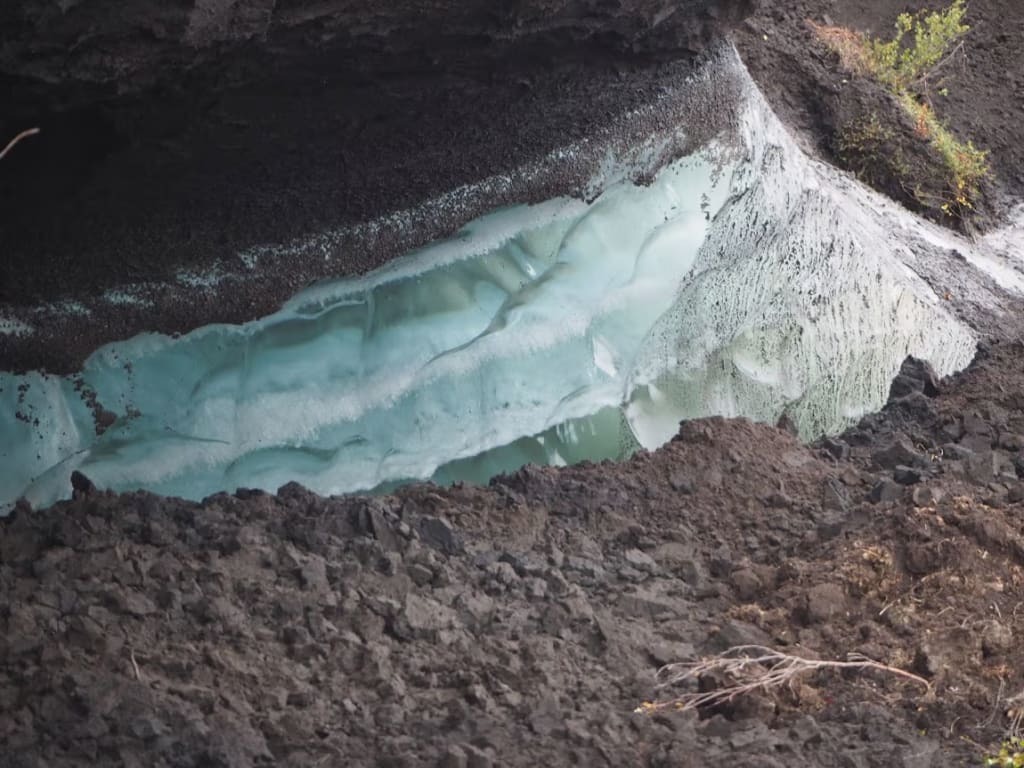
One of the defining features of the tundra is permafrost, a layer of soil that remains frozen year-round. This article explores the characteristics of the tundra, the nature and significance of permafrost, and the impacts of climate change on these fragile ecosystems.
What is the Tundra?
The tundra is a biome found primarily in the Arctic and Antarctic regions, as well as in some alpine environments. It is characterized by low temperatures, short growing seasons, and limited biodiversity. The tundra is divided into three types:
Arctic Tundra – Found in the Northern Hemisphere, this type extends across Canada, Russia, Greenland, and Scandinavia. It experiences extremely cold winters, with temperatures often dropping below -30°C (-22°F). Summers are short and cool, allowing only hardy plant species such as mosses, lichens, and low shrubs to thrive.
Alpine Tundra – Found at high elevations on mountains around the world, alpine tundra experiences similar conditions to Arctic tundra but is not limited to specific latitudes. It has better-draining soil and lacks permafrost, but vegetation is still sparse due to harsh climatic conditions.
Antarctic Tundra – Located on some Antarctic islands and parts of the Antarctic Peninsula, this tundra type has even fewer plant species due to extreme cold and icy landscapes.
What is Permafrost?
Permafrost is a defining feature of Arctic tundra ecosystems. It refers to ground that remains frozen for at least two consecutive years. It can be found beneath the surface layer of soil, varying in thickness from a few meters to over 1,500 meters in some areas. Permafrost is divided into two main types:
Continuous Permafrost – Found in the coldest regions, such as Siberia and northern Canada, where the ground remains frozen year-round except for the uppermost layer, called the active layer.
Discontinuous Permafrost – Occurs in slightly warmer regions where only patches of ground remain frozen, with some thawing occurring during summer.
The active layer above the permafrost thaws seasonally, allowing limited plant growth. However, since water cannot penetrate the frozen layer below, the tundra tends to be very wet and marshy during warmer months.
The Importance of Permafrost
Permafrost plays a crucial role in the Earth's climate system. It stores vast amounts of organic carbon, accumulated over thousands of years from plant material and dead organisms. It also affects hydrology, as frozen ground prevents water drainage, leading to the formation of wetlands, ponds, and lakes. Additionally, permafrost stabilizes the land and supports ecosystems adapted to cold environments.
Climate Change and Its Impact on Permafrost and the Tundra
Climate change poses a significant threat to tundra ecosystems and permafrost. Rising global temperatures are causing permafrost to thaw, leading to several environmental consequences:
Release of Greenhouse Gases – As permafrost thaws, organic matter trapped in the frozen soil begins to decompose, releasing carbon dioxide (CO₂) and methane (CH₄), both of which contribute to global warming. This creates a feedback loop where warming leads to more thawing, releasing even more greenhouse gases.
Changes in Ecosystems – As the tundra warms, shrubs and other vegetation from temperate regions begin to encroach, altering native plant and animal communities. This can disrupt species that depend on the cold-adapted environment, such as caribou, Arctic foxes, and lemmings.
Infrastructure Damage – Many human settlements and industrial facilities in the Arctic are built on permafrost. When the ground thaws, it can cause roads, buildings, and pipelines to collapse, leading to economic and environmental problems.
Coastal Erosion – In coastal tundra regions, permafrost helps maintain the stability of landforms. As it thaws, coastal areas become more vulnerable to erosion caused by waves and storms, leading to habitat loss for wildlife and humans.
Adaptations of Life in the Tundra
Despite the harsh conditions, many plants and animals have adapted to survive in the tundra.
Plants – Vegetation in the tundra remains low to the ground to resist strong winds. Many plants have small, waxy leaves to minimize moisture loss, and they grow quickly during the short summer to maximize reproduction.
Animals – Many tundra animals have thick fur or feathers for insulation. Some, seemed the Arctic fox, change their coat color to blend into the seasonal landscape. Others, such as caribou, migrate to avoid the worst winter conditions.
IN THE END
The tundra and its underlying permafrost are vital components of the Earth's climate system and biodiversity. However, these fragile ecosystems are increasingly threatened by climate change. Understanding the importance of permafrost and the tundra helps highlight the need for global efforts to mitigate climate change and protect these environments. As scientists continue to study these unique landscapes, their findings will be crucial in shaping policies to preserve the Arctic and its inhabitants for future generations.
About the Creator
Badhan Sen
Myself Badhan, I am a professional writer.I like to share some stories with my friends.
Enjoyed the story? Support the Creator.
Subscribe for free to receive all their stories in your feed.
Comments
There are no comments for this story
Be the first to respond and start the conversation.