
Trump officials threaten Harvard with foreign student ban
The White House said it would stop Harvard from enrolling international students if it doesn't agree to certain demands. Trump said Harvard "teaches hate and stupidity" and should not recieve federal funds. DW has more.
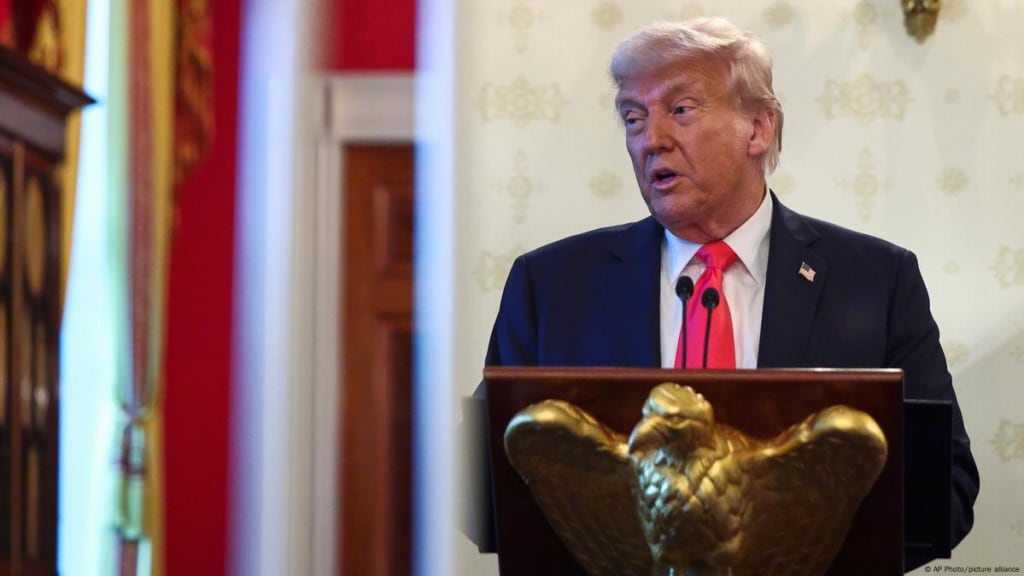
In the midst of rising tensions, the Trump administration threatens Harvard with a ban on foreign students. The administration of Donald Trump has intensified its campaign against Harvard University, threatening to deny the school permission to accept international students. This move comes after Harvard refused to comply with federal demands regarding ideological diversity audits, diversity programs, and campus activism. Civil rights groups, political leaders, and academic institutions have all voiced their disapproval of the administration's actions. Background of the Conflict
The dispute between Harvard and the Trump administration began when the university declined to implement several federal directives. Diversity programs were shut down, foreign students' conduct was reported, and departments were audited for ideological diversity. In response, the Department of Homeland Security (DHS), led by Secretary Kristi Noem, demanded that Harvard submit records detailing alleged "illegal and violent activities" by international students by April 30, 2025. The university's Student and Exchange Visitor Program (SEVP) certification could be revoked if it does not comply, effectively preventing it from enrolling foreign students. Additionally, the administration has canceled over $2.7 million in federal grants to Harvard and frozen more than $2.2 billion in funding. Additionally, there are indications that the university's tax-exempt status may be revoked by the Internal Revenue Service (IRS). These measures are part of a larger federal campaign against diversity programs, transgender policies, and alleged anti-American ideologies at universities. Harvard's Response
Citing constitutional concerns and defending the autonomy of the university, Harvard has vehemently rejected the administration's demands. President Alan Garber emphasized that the institution will uphold its legal obligations and constitutional rights despite political pressure. He reaffirmed Harvard's commitment to academic freedom and its responsibility to provide a diverse and inclusive environment for all students.
Wider Implications for Higher Education
The conflict between Harvard and the Trump administration is part of a broader pattern of tensions between the federal government and higher education institutions. The administration has previously targeted universities over issues such as campus activism, diversity programs, and policies related to transgender students. Critics argue that these actions represent an attempt to undermine academic freedom and impose political conformity on educational institutions.
Prominent academic institutions, including Columbia, Stanford, and Princeton, have expressed strong support for Harvard. They have criticized the administration's actions as an attempt to undermine academic freedom and autonomy. Former President Barack Obama and Massachusetts Governor Maura Healey have also voiced their support for Harvard, condemning the federal government's punitive measures.
Legal and Political Repercussions
The administration's actions have prompted legal challenges from civil rights organizations and affected students. Over 1,300 international students at more than 200 U.S. institutions have had their visas revoked or their legal status terminated by the Trump administration, sparking a wave of lawsuits. The students argue that these actions lack due process and clear justification, with claims that some were penalized for minor infractions such as past traffic violations.
Legal experts warn that the administration's use of federal powers to punish universities and students for their political beliefs could have long-term implications for academic freedom and civil rights in the United States. The outcome of this standoff between Harvard and the Trump administration may set important precedents for the relationship between the federal government and higher education institutions.
Conclusion
The Trump administration's threat to revoke Harvard University's ability to enroll international students marks a significant escalation in its campaign against higher education institutions. As the April 30 deadline approaches, the situation remains fluid, with potential legal and political ramifications for both the university and the broader academic community. The outcome of this conflict may have lasting effects on the landscape of higher education in the United States, particularly concerning issues of academic freedom, diversity, and the treatment of international students.
About the Creator
Enjoyed the story? Support the Creator.
Subscribe for free to receive all their stories in your feed.
Comments
There are no comments for this story
Be the first to respond and start the conversation.