
Traveling to Algeria, Lonely Planet Shares 15 Tips for Foreign Tourists
Visa requirements, cash, safety, health, clothing and local etiquette are among the key points highlighted by Lonely Planet for travelers planning a trip to Algeria.

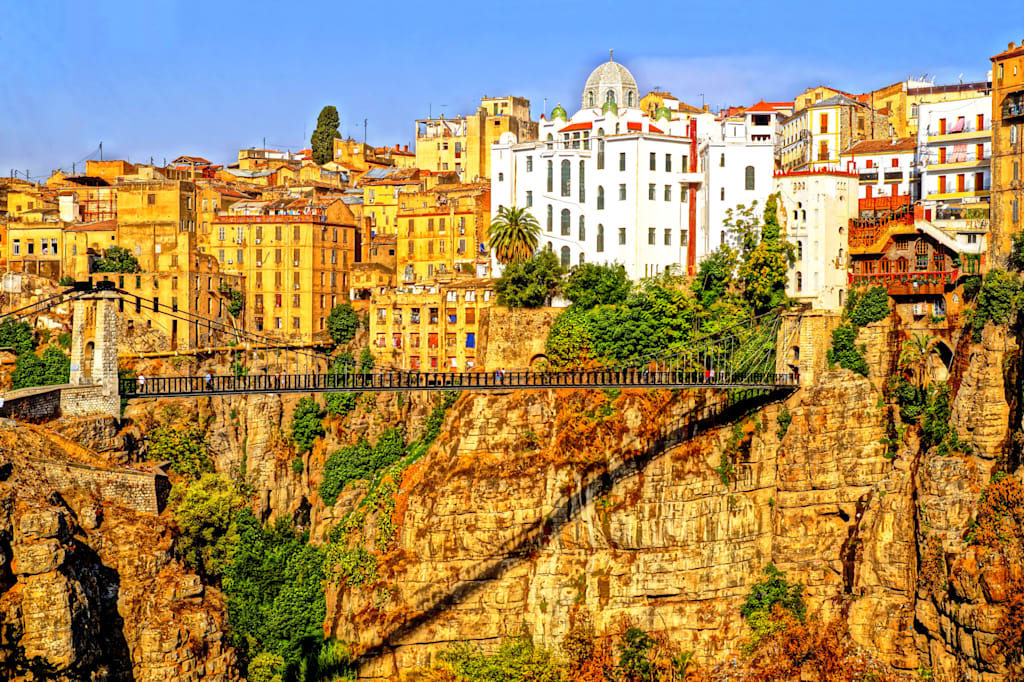
The renowned travel guide Lonely Planet has published a practical list of advice for foreign tourists planning to visit Algeria, covering everything from visa requirements and money to safety, healthcare, clothing and local customs.
The guide presents Algeria as a country of striking geographical and cultural diversity, stretching from a 1,200-kilometer Mediterranean coastline to snow-capped mountain ranges and the vast Sahara Desert. For international travelers, however, preparing properly is essential to making the most of a trip to a destination that can be very different from other popular Mediterranean tourist destinations.
Lonely Planet's advice focuses largely on practical considerations, but it also encourages visitors to approach Algeria with an open mind and respect for local traditions.
Visa requirements should be checked before traveling
For most foreign travelers, obtaining a visa is an important part of preparing for a trip to Algeria. Lonely Planet advises visitors to check the website of the Algerian diplomatic or consular mission in their country of residence and begin the application process well in advance.
There is, however, a specific option for travelers visiting the Sahara as part of an organized tour. According to Lonely Planet, tourists traveling to southern Algeria through a licensed tour agency may be eligible for a visa on arrival, known as a Regularization Visa. The agency can provide the necessary boarding authorization before departure, while the visa is issued upon arrival in Algeria. Fees start at around €110, depending on the length of the stay.
When is the best time to visit Algeria?
The best time to travel depends largely on the region and activities travelers have planned.
For those heading into the Sahara, Lonely Planet recommends visiting between October and April, when temperatures are more comfortable. Travelers interested in Algeria's Mediterranean coastline may prefer the summer months, particularly between June and September.
June and September can also be attractive options for visitors hoping to avoid the busiest summer period. July and August traditionally bring larger numbers of Algerians living abroad who return to the country for their holidays, while demand can also push up prices for certain services and accommodations.
For hikers and nature lovers, spring and autumn are particularly suitable for exploring mountain regions such as the Djurdjura and the Aurès ranges.
Lonely Planet also discusses traveling during Ramadan. Although some restaurants close during the daytime and daily activity can slow down, evenings can become particularly lively, with people gathering for meals, shopping, concerts and cultural activities.
Cash remains essential in Algeria
One of the most important practical recommendations concerns money.
Although Algeria has made progress in digital payments, cash remains the dominant method of payment. International Visa and Mastercard cards are still accepted only in a limited number of locations, with some major hotels and international restaurants being among the exceptions.
Lonely Planet therefore recommends that foreign visitors carry enough cash to cover their expenses. Travelers should also be aware of Algeria's customs requirements. Foreign nationals must declare amounts exceeding €5,000, or the equivalent in another currency, when entering the country.
For currency exchange, the guide recommends using banks and official exchange channels. Algerian dinars cannot be taken out of the country, meaning visitors should plan their spending carefully before departure.
Algeria is generally safe, but travelers should remain cautious
Lonely Planet describes Algeria as a generally safe destination while advising tourists to maintain the same basic level of caution they would exercise elsewhere.
Visitors should be particularly attentive in crowded areas, where pickpocketing and purse-snatching can occur. The guide also recommends checking official travel advice before departure and remaining aware of local conditions.
Women traveling alone may attract unwanted attention in public spaces. Lonely Planet recommends avoiding isolated or poorly lit streets at night and seeking assistance from police officers or local shopkeepers if a situation becomes uncomfortable.
Healthcare is generally accessible
Healthcare facilities are described as adequate, although the quality and speed of services can vary depending on the location and whether travelers use public or private facilities.
Private clinics can provide faster services, while pharmacies are widely available and generally well stocked. Lonely Planet advises visitors to keep emergency cash available and obtain appropriate travel health insurance before arriving in Algeria.
Respect local customs and dress codes
Algeria is described by Lonely Planet as a largely conservative country, although social norms can vary significantly between regions.
Female travelers are advised to cover their shoulders and wear long trousers or skirts, particularly when visiting religious or more conservative areas. Women visiting religious sites may also be expected to cover their heads. Men should likewise dress respectfully, especially in religious settings.
Beach culture can vary as well. Some beaches, particularly in major cities, are accustomed to Western-style swimwear, while family-oriented beaches can have more conservative expectations.
Public displays of affection are generally discouraged, particularly involving unmarried couples. Visitors are therefore advised to exercise discretion in public spaces.
Alcohol is available in Algeria, but consumption is generally discreet. Certain hotels, restaurants and bars, particularly in major cities, serve alcohol, while it is less commonly available in rural areas.
Bargaining is part of the market experience
Travelers visiting traditional markets may encounter opportunities to bargain, particularly when buying clothing, souvenirs, carpets or other goods.
Lonely Planet recommends keeping negotiations friendly and respectful rather than treating them as a confrontation. If a price is too high, tourists can simply decline politely and walk away.
Tipping, meanwhile, is not generally expected in Algeria, although it may be appreciated in certain hotels and restaurants accustomed to international visitors.
Be careful when taking photographs
Photography is another area where visitors should exercise caution.
Lonely Planet warns travelers not to photograph sensitive government locations, including police and gendarmerie facilities, military installations and other security-related sites. Tourists should also avoid photographing or filming uniformed officers and their vehicles.
The guide recommends being considerate when photographing people, particularly strangers who may not want their images taken or shared online.
Algeria's history is part of the journey
Beyond practical advice, Lonely Planet encourages visitors to explore Algeria's extraordinary cultural and historical heritage.
The country's landscape extends from Mediterranean beaches and mountain ranges to the Sahara, while its history reflects the influence of numerous civilizations. Travelers can discover prehistoric rock art, Roman ruins, Ottoman architecture, French colonial-era buildings and other traces of the civilizations that shaped Algeria over centuries.
For Lonely Planet, visiting museums, archaeological sites and historic landmarks is an important way to understand the country's complex history rather than simply passing through its most famous tourist destinations.
Flexibility can make the trip easier
Travelers are also encouraged to remain patient and flexible. Plans can change, procedures may take longer than expected and communication may not always be as straightforward as visitors anticipate.
Rather than becoming frustrated, Lonely Planet recommends maintaining a calm and respectful attitude when dealing with service providers or public officials. In a country where social interactions can sometimes work differently from what foreign visitors are accustomed to, patience can make a significant difference.
Algerian hospitality is part of the experience
Finally, Lonely Planet highlights one of the country's most distinctive qualities: the warmth and generosity of its people.
Foreign visitors may attract curiosity, particularly because Algeria receives fewer international tourists than some of its North African neighbors. Locals may ask where visitors come from, why they chose Algeria and what they think of the country.
The guide encourages travelers to embrace those interactions and make an effort to learn a few local expressions. Even a simple Algerian Arabic word such as “saha,” commonly used to express thanks, can help create a more natural connection.
For Lonely Planet, experiencing Algeria is ultimately about more than ticking landmarks off a travel itinerary. The country's Mediterranean coastline, mountains, Sahara landscapes, historical sites and cultural diversity offer an unusually broad travel experience. But understanding local customs, preparing properly and approaching people with respect can make the journey considerably more rewarding.
For foreign tourists considering Algeria, the message is straightforward: come prepared, remain flexible, respect local customs and leave room for the unexpected. Algeria, Lonely Planet suggests, is a destination best discovered not only through its landscapes and monuments, but also through the people who make the country what it is.
About the Creator
Sahby Mehalla
Marketing Consultant | Independent Journalist | Writing on Medium
Pure intention transforms sound into a message. 🇩🇿
Enjoyed the story? Support the Creator.
Subscribe for free to receive all their stories in your feed.
Comments
There are no comments for this story
Be the first to respond and start the conversation.