
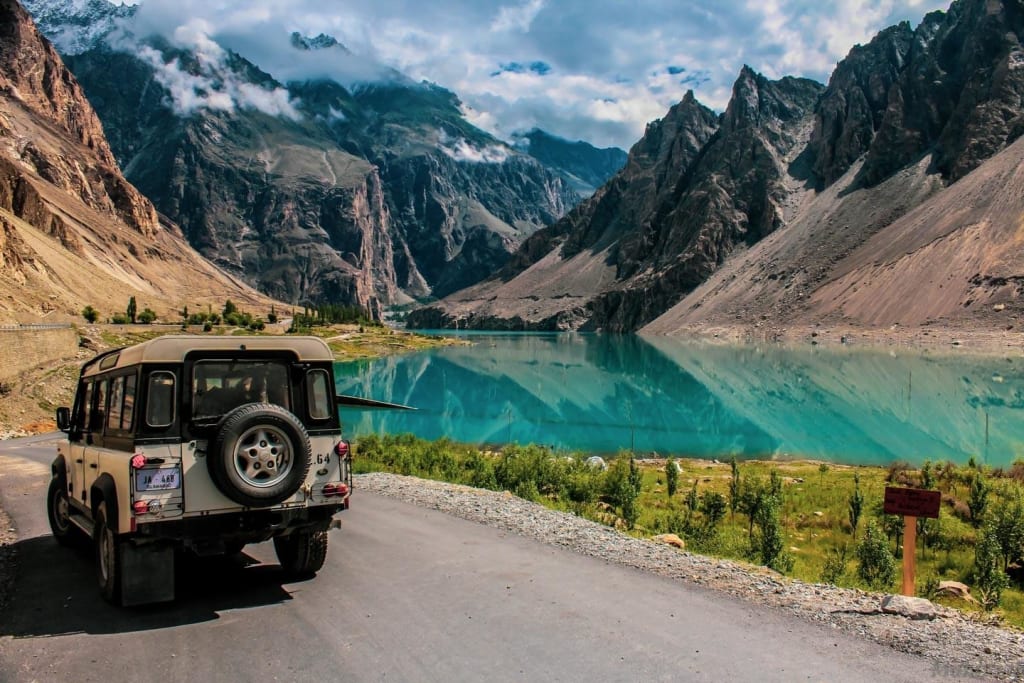
Gilgit-Baltistan is a beautiful region located in the northernmost part of Pakistan. The area is known for its scenic beauty, rich culture, and adventure tourism. Tourism in Gilgit-Baltistan is a significant contributor to the region's economy and is considered one of the main sources of income for the local people.
Some of the popular tourist attractions in Gilgit-Baltistan include:
Hunza Valley: This beautiful valley is known for its breathtaking scenery, friendly people, and rich cultural heritage. It is located in the northernmost part of Gilgit-Baltistan and is a popular destination for adventure seekers, nature lovers, and culture enthusiasts.
Khunjerab Pass: This pass is located on the border between Pakistan and China and is one of the highest paved roads in the world. It offers stunning views of the Karakoram Mountains and is a popular destination for tourists who want to experience the beauty of the region.
Skardu Valley: Skardu is a picturesque valley located in the heart of Gilgit-Baltistan. It is known for its beautiful lakes, including Satpara Lake and Sheosar Lake, as well as its stunning mountain scenery.
Shandur Pass: This pass is located at an altitude of 12,000 feet and is famous for its annual polo festival, which attracts tourists from all over the world.
Naltar Valley: Naltar Valley is located in the Gilgit District of Gilgit-Baltistan and is known for its pristine beauty and stunning natural scenery. It is a popular destination for skiing, hiking, and camping.
In recent years, the government of Pakistan has been working to promote tourism in Gilgit-Baltistan and has taken several initiatives to improve the infrastructure and facilities for tourists. This has resulted in an increase in the number of tourists visiting the region and has provided employment opportunities for the local people.
Gilgit-Baltistan is a region located in the northernmost part of Pakistan, bordering Afghanistan, China, and India. It is one of the most beautiful and picturesque regions in the world, with its snow-capped peaks, turquoise lakes, lush green valleys, and rich cultural heritage. The region attracts thousands of tourists every year, who come to experience its natural beauty and cultural richness.
Tourism in Gilgit-Baltistan has a long history, dating back to the early 19th century when the British Raj used the region as a base for their explorations of the Karakoram Mountains. Since then, the region has seen a steady influx of tourists, both local and foreign, who come to explore its natural beauty and experience its rich culture.
One of the main attractions of Gilgit-Baltistan is its stunning landscapes. The region is home to some of the highest peaks in the world, including K2, the second-highest peak in the world. It also boasts numerous other majestic mountains, including Nanga Parbat, Rakaposhi, and Gasherbrum. These mountains offer endless opportunities for trekking, mountaineering, and other adventure sports.
Apart from its mountains, Gilgit-Baltistan is also known for its pristine lakes. The region is home to several beautiful lakes, including the famous Lake Saif-ul-Malook, Sheosar Lake, and Attabad Lake. These lakes are surrounded by stunning landscapes and offer tourists the opportunity to enjoy boating, fishing, and other water sports.
The region is also rich in culture and history. Gilgit-Baltistan is home to several ancient archaeological sites, including the famous Buddha rock carvings in Hunza and the ancient Silk Route in Gilgit. The region is also known for its rich cultural heritage, which is reflected in its festivals, music, and traditional crafts.
One of the most famous festivals in the region is the Shandoor Polo Festival, which is held every year in July. The festival attracts thousands of tourists from all over the world and features traditional polo matches, music, and dance performances.
Tourism in Gilgit-Baltistan has been growing rapidly over the past few years, with the government investing heavily in infrastructure development and tourism promotion. The region now has several high-quality hotels and guesthouses, as well as modern transportation facilities, including an airport and a network of highways and roads.
Despite its growing popularity, tourism in Gilgit-Baltistan faces several challenges. One of the biggest challenges is the lack of infrastructure and facilities in remote areas, which limits the number of tourists who can visit these areas. Another challenge is the environmental impact of tourism, as the region is home to several fragile ecosystems that are at risk from the increasing number of tourists.
To address these challenges, the government of Pakistan has launched several initiatives aimed at promoting sustainable tourism in Gilgit-Baltistan. These initiatives include the development of eco-tourism, the promotion of community-based tourism, and the establishment of nature reserves and protected areas.
In conclusion, tourism in Gilgit-Baltistan is an important sector that has the potential to contribute significantly to the economic development of the region. With its stunning landscapes, rich cultural heritage, and growing infrastructure, the region has become an increasingly popular tourist destination. However, to ensure the sustainability of tourism in the region, it is important to address the challenges and promote responsible tourism practices.
About the Creator
Enjoyed the story? Support the Creator.
Subscribe for free to receive all their stories in your feed.
Comments
There are no comments for this story
Be the first to respond and start the conversation.