
TotalEnergies Climate Ruling Signals a New Era of Corporate Accountability
A landmark French court decision could reshape how oil companies are held responsible for the emissions generated by the products they sell.


For decades, the climate debate has largely focused on governments, consumers, and the transition toward renewable energy. Oil and gas companies have often argued that while they extract and sell fossil fuels, they cannot be held responsible for how those products are ultimately used. That argument has now been challenged in a significant way.
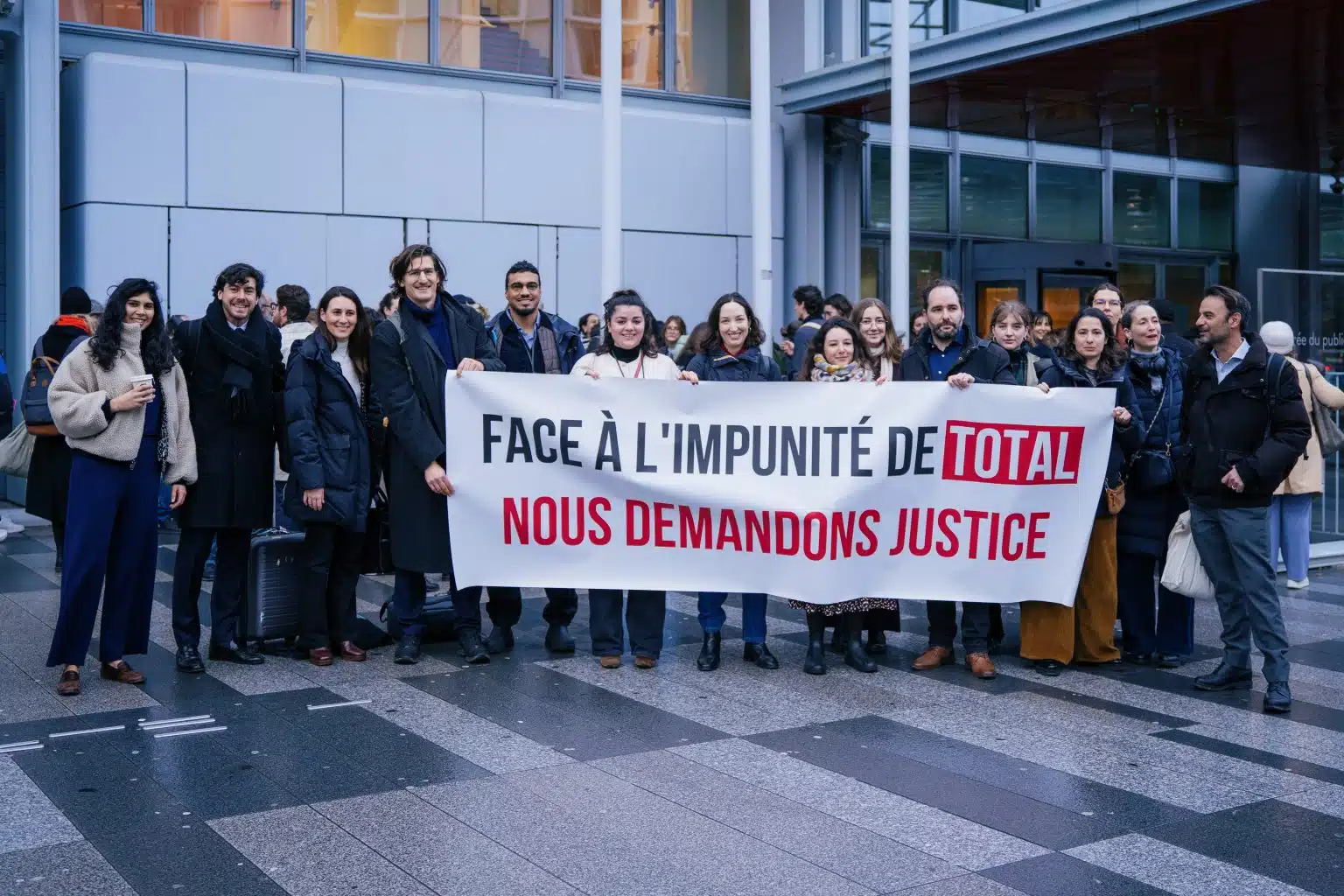
A recent ruling by the Paris Court of Justice has placed one of the world's largest energy companies, TotalEnergies, under unprecedented legal scrutiny. Rather than focusing solely on emissions generated during production, the court ruled that the company must also address the climate risks associated with the emissions produced when customers burn its oil and gas products.
Although the decision does not immediately restrict TotalEnergies from developing new oil or gas projects, it represents an important legal milestone that could influence future climate litigation around the world.
Looking Beyond Direct Emissions
One of the biggest challenges in measuring a company's climate impact lies in what are known as Scope 3 emissions. These are greenhouse gas emissions created after products leave a company's control in TotalEnergies' case, when motorists fuel their vehicles, airlines burn jet fuel, or factories consume natural gas.
For most oil companies, these downstream emissions account for the overwhelming majority of their total carbon footprint. According to the court proceedings, approximately 91% of TotalEnergies' emissions fall into this category.
Until now, many fossil fuel companies have maintained that these emissions are the responsibility of consumers rather than producers. The Paris court disagreed, stating that climate-related risks arising from the company's products must form part of its legal duty of vigilance under French law.
That distinction could prove to be one of the most significant aspects of the ruling.
France's Duty of Vigilance Law Takes Center Stage
France introduced its Duty of Vigilance Law in 2017, requiring large corporations to identify, prevent, and mitigate risks relating to human rights, public health, and environmental damage throughout their operations and supply chains.
While the legislation has existed for several years, this marks one of its most important applications in relation to climate change.
The judges ordered TotalEnergies to revise its climate vigilance plan within six months, specifically incorporating measures addressing Scope 3 emissions. Another hearing has already been scheduled for early 2027 to evaluate whether the company has complied.
Although the court stopped short of ordering immediate reductions in fossil fuel production, the decision establishes judicial oversight over a corporation's climate transition strategy something rarely seen anywhere in the world.
A Growing Trend in Climate Litigation
This case is part of a broader global movement in which governments, environmental organizations, investors, and local communities are increasingly turning to the courts to address climate concerns.
Instead of relying solely on political negotiations or international agreements, campaigners are testing whether existing corporate and environmental laws can compel businesses to reduce their climate impacts.
Over the past few years, lawsuits have expanded beyond pollution claims to include accusations of greenwashing, inadequate climate disclosures, misleading net-zero commitments, and insufficient management of climate risks.
Legal experts suggest that these cases are likely to become more common as climate science becomes increasingly established and regulatory expectations continue to evolve.
The Business Challenge Facing Energy Companies
For companies like TotalEnergies, the challenge is particularly complex.
Global demand for oil and natural gas remains substantial, especially in developing economies where energy security and affordability remain major priorities. At the same time, governments and investors are placing increasing pressure on energy companies to accelerate decarbonization and invest more heavily in renewable energy.
TotalEnergies has publicly positioned itself as a participant in the energy transition, investing in renewable power alongside its traditional oil and gas operations. However, critics argue that these investments are overshadowed by continued expansion of fossil fuel production.
Balancing shareholder expectations, global energy demand, and climate commitments is becoming one of the defining challenges facing the modern energy industry.
Why This Decision Matters Beyond France
Although this ruling applies under French law, its influence could extend far beyond the country's borders.
Multinational corporations increasingly operate across jurisdictions where climate disclosure rules are becoming stricter. Courts in other countries may closely examine this case when considering similar legal arguments involving corporate responsibility for emissions.
The decision also sends a message to investors. Climate risk is no longer viewed solely as an environmental issue it has become a legal, financial, and governance concern. Companies that fail to demonstrate credible climate strategies may face not only reputational damage but also regulatory action and costly litigation.
For businesses operating in carbon-intensive industries, stronger transparency and more comprehensive climate planning may soon become essential rather than optional.
A Turning Point for Corporate Climate Responsibility
The Paris ruling does not end the debate over fossil fuels, nor does it immediately change how the global energy market operates. TotalEnergies remains free to pursue many of its existing projects while preparing an updated climate vigilance plan.
Nevertheless, the judgment represents an important shift in how courts are approaching corporate accountability. Rather than viewing emissions solely through the lens of production, judges are beginning to consider the broader climate consequences of the products companies place into the market.
Whether this decision becomes a legal landmark or remains an isolated case will depend on how other courts, regulators, and governments respond in the years ahead. What is already clear, however, is that climate responsibility is expanding beyond environmental policy and entering the courtroom, where companies may increasingly be asked not only what they produce, but also what happens after those products reach consumers.
About the Creator
Mark Lim
Hi I am mark an automotive student and a car, tech and food enthusiast ! Im gonna try and post daily & hope you enjoy what I write and do share my page with people you know. I would gladly appreciate it! Cheers
Enjoyed the story? Support the Creator.
Subscribe for free to receive all their stories in your feed.
Comments
There are no comments for this story
Be the first to respond and start the conversation.