
Top 5 Ways to Successfully Train Your Puppy
Read this article to learn more.....
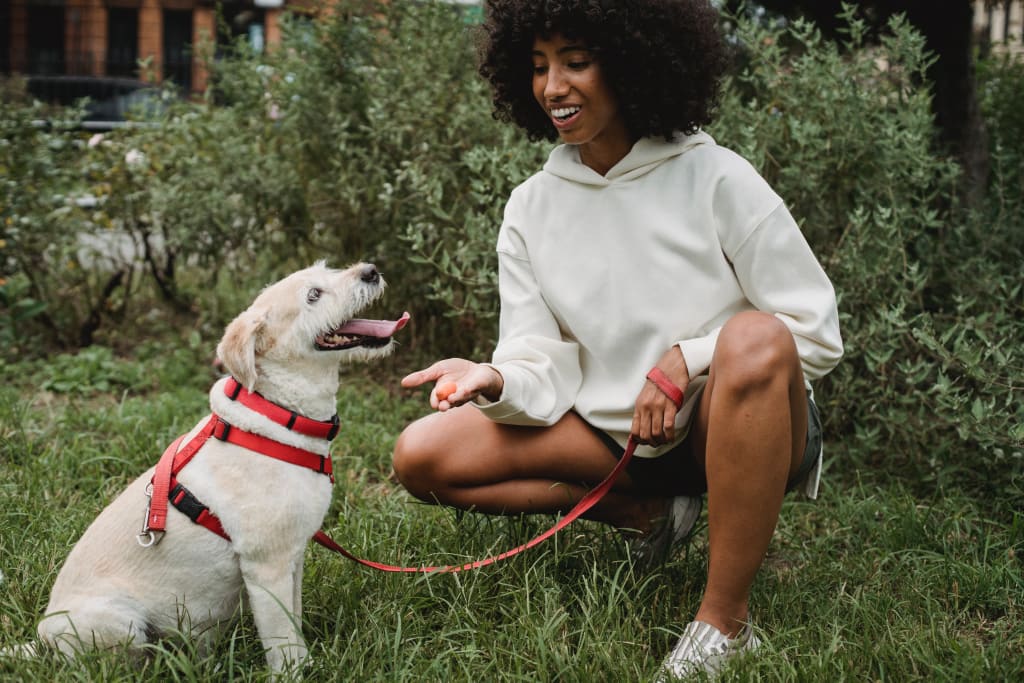
Are you looking for ways to train your puppy? If so, then you've come to the right place! In this blog post, we'll discuss the top 5 ways to successfully train your puppy. From teaching basic obedience commands to potty training, these methods will help you build a strong bond and relationship with your pup. With a few tips and tricks, you'll have a well-behaved puppy in no time!
1) Starting Early: The Importance of Puppy Training
Training your puppy should begin as soon as possible. This is because puppies have a short attention span and are like sponges, soaking up everything around them. By training your puppy from an early age, you can shape their behavior and set them up for success.
Puppy training also establishes a bond between you and your furry friend, and helps to develop trust and respect. A well-trained dog is a happy dog, and a happy dog means a happy owner!
Moreover, puppy training sets the foundation for good behavior as your puppy grows into an adult dog. Training can help prevent behavior problems such as biting, chewing, and barking, which can be difficult to correct later on.
In short, starting early with puppy training is key to creating a well-behaved, happy, and obedient companion for life. So, grab your treats, leash, and patience, and let's get started on training your pup!
2) Positive Reinforcement: The Key to Successful Training
One of the most important aspects of puppy training is positive reinforcement. Positive reinforcement means rewarding your puppy for good behavior instead of punishing them for bad behavior. When you reward your puppy, they are more likely to repeat that behavior in the future. Punishing your puppy can lead to fear, anxiety, and aggression, and can actually make training harder in the long run.
Here are some tips for using positive reinforcement in your puppy training:
1. Use Treats: Treats are a great way to reward your puppy for good behavior. You can use small, bite-sized treats that your puppy loves to help motivate them to learn.
2. Praise and Affection: Along with treats, you should also use praise and affection to reward your puppy. This can include verbal praise, petting, and even playtime.
3. Timing is Key: When using positive reinforcement, timing is everything. You need to reward your puppy immediately after they exhibit good behavior. This helps them make the connection between their behavior and the reward.
4. Consistency is Key: Consistency is important when using positive reinforcement. You need to be consistent in your rewards and expectations so that your puppy understands what is expected of them.
By using positive reinforcement in your puppy training, you can build a strong bond with your puppy and help them learn good behaviors. Positive reinforcement is the key to successful training, so be sure to use it consistently and with enthusiasm!
3) Basic Commands: Sit, Stay, Come
As your puppy grows and begins to understand the world around them, it's important to start teaching them some basic commands. The three most important commands to teach your puppy are "sit," "stay," and "come."
To start, choose a quiet and distraction-free environment where you can focus on training. Start by teaching your puppy the "sit" command. Hold a treat above their nose and slowly move it up and back towards their tail, which should cause your puppy to sit. As soon as they sit, reward them with the treat and praise them. Repeat this several times until your puppy understands the "sit" command.
Next, move on to teaching the "stay" command. Begin by having your puppy sit, then hold your hand out in front of you and say "stay." Step back a few steps and return to your puppy. If they remain in the sitting position, reward them with a treat and praise them. If they stand up or move towards you, gently place them back into the sitting position and start again.
Finally, it's time to teach your puppy the "come" command. Begin by having your puppy sit and then say "come" in a cheerful voice while beckoning them with your hand. Reward them with a treat and praise them when they come to you. Repeat this several times until your puppy responds consistently to the "come" command.
Remember to keep training sessions short and positive. Your puppy will learn best when they are happy and motivated. Over time, you can increase the length and difficulty of training sessions, but always keep it fun and rewarding for your furry friend. By teaching your puppy these basic commands, you'll set them up for success as they grow into well-behaved and obedient adult dogs.
4) Potty Training: Tips and Tricks
One of the most challenging aspects of puppy training is potty training. This is especially true if you live in an apartment or don't have easy access to a yard. However, with the right approach, potty training your puppy can be a success.
1. Create a Schedule: Puppies need to go to the bathroom often, so it's important to establish a routine. Take your puppy outside to potty first thing in the morning, after meals, and before bed. Additionally, take them out every hour or so during the day.
2. Use Positive Reinforcement: Whenever your puppy successfully goes to the bathroom outside, praise them and offer a small treat. This positive reinforcement will help them understand that going outside is a good thing.
3. Be Patient: Accidents will happen, and it's important not to scold your puppy when they make a mistake. Instead, clean up the mess and take them outside to reinforce good behavior.
4. Watch for Signs: Puppies often give signals when they need to go to the bathroom. These may include sniffing around, circling, or whining. If you see any of these signs, take your puppy outside immediately.
5. Use a Crate: Crating your puppy when you can't supervise them can help prevent accidents. Make sure the crate is large enough for them to stand up and turn around in, but not so big that they can go to the bathroom in one corner and sleep in another.
Potty training your puppy can take time and patience, but with consistency and positive reinforcement, your puppy will learn to go outside in no time. Remember to praise them for good behavior and be patient when accidents happen. Before you know it, you'll have a well-trained puppy who knows where to go to the bathroom.
5) Socialization: Why It's Important for Your Puppy
Moreover,it is important to socialize with your puppy to build long-lasting relationships.This way your puppy will normalize identifying your mood swings,ways you handle things and how you show it love.Socialization is the most important feature in knowing the needs and wants of your puppy to ensure that it understands you and respond positively to how you engage with it.
Puppies are the most fragile animals to deal with,therefore as a puppy owner it is our duty to ensure that we promote socializing with our puppies on a daily basis.
If you want to learn my #1 way to train my puppy at home click here.
About the Creator
Enjoyed the story? Support the Creator.
Subscribe for free to receive all their stories in your feed.
Comments
There are no comments for this story
Be the first to respond and start the conversation.