
Top 10 Herbs for a Healthy Heart Backed by Science
Nurture Your Heart the Natural Way—Rooted in Tradition, Proven by Science

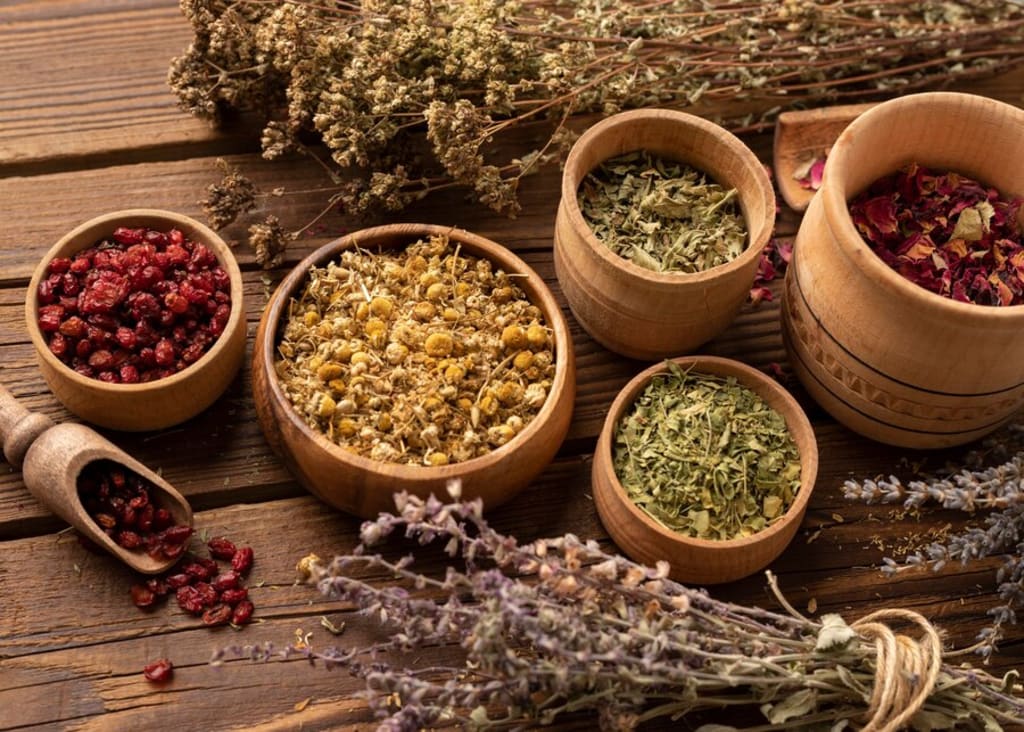
With stress, poor dietary choices, and sedentary lifestyles becoming the norm, cardiovascular issues are steadily rising. But what if nature already holds the key to keeping our hearts strong and vibrant? There are natural remedies backed by centuries of traditional use and now, modern science. These herbs for the heart have time and again proven their worth and so have found a place in ayurvedic health care.
Whether you're looking to prevent heart problems, manage blood pressure, or support circulation, these herbal supplements for heart health offer a holistic approach. So, let’s explore the top 10 heart-friendly herbs that are not just folklore, they’re backed by research.
1. Hawthorn (Crataegus spp.)
Often referred to as the “heart herb,” Hawthorn has been used in traditional European medicine for centuries. It works on multiple levels: dilating blood vessels, improving oxygen delivery, strengthening heart muscle contractions, and even reducing anxiety that may affect the heart.
Rich in flavonoids and oligomeric proanthocyanidins (OPCs), hawthorn acts as a natural vasodilator, helping lower blood pressure and prevent artery hardening. It’s particularly beneficial in the early stages of heart disease and is often used in herbal supplements for heart health for patients with mild congestive heart failure.
- Scientific Insight: Studies show hawthorn extract can reduce symptoms of congestive heart failure and improve exercise tolerance.
- How to Use: Best taken as an extract or standardized supplement. Teas made from berries or leaves are also effective, though less potent.
2. Garlic (Allium sativum)
Garlic is a medicinal powerhouse and perhaps one of the most well-known herbs for the heart. Its sulfur-containing compounds, such as allicin, help lower blood pressure, reduce total and LDL cholesterol, and improve blood vessel elasticity.
Used in both modern natural medicine and ayurvedic medicine for heart problems, garlic supports nitric oxide production, which relaxes blood vessels and improves circulation. It’s also shown to reduce platelet aggregation, meaning it can help prevent dangerous clots from forming.
- Scientific Insight: A 2016 meta-analysis confirmed that garlic supplementation significantly reduces systolic and diastolic blood pressure.
- How to Use: Raw garlic is the most potent, but odorless aged garlic capsules are available for daily use without the pungent smell.
3. Turmeric (Curcuma longa)
This golden root is famous for its powerful anti-inflammatory properties, largely due to its active compound curcumin. Chronic inflammation is a silent contributor to heart disease, and turmeric directly targets this underlying issue.
Turmeric also helps prevent the oxidation of LDL cholesterol- a key step in the development of atherosclerosis. In ayurvedic medicine for heart problems, turmeric is often prescribed for improving circulation, thinning the blood naturally, and protecting arteries.
- Scientific Insight: Research indicates that curcumin may reduce the risk of heart disease by enhancing the lining of the blood vessels.
- How to Use: Include turmeric in cooking, golden milk, or opt for curcumin capsules with black pepper extract (piperine) to increase absorption.
4. Arjuna (Terminalia arjuna)
One of the most revered herbs in Ayurveda, Arjuna is known as a “cardiotonic” that enhances cardiac muscle function, regulates blood pressure, and alleviates chest pain associated with angina.
This bark-based remedy contains coenzyme Q10-like compounds, tannins, and flavonoids that improve coronary artery blood flow and help the heart use oxygen more efficiently. Arjuna is often included in ayurvedic medicine for heart problems, especially for people dealing with hypertension, palpitations, or irregular heartbeats.
What sets Arjuna apart is its dual-action: while supporting the physical heart, it also offers a calming effect on the nervous system. When used in combination with other herbs for stress and anxiety, Arjuna promotes emotional balance—an essential component of cardiovascular health.
- Scientific Insight: Clinical trials suggest that Arjuna improves left ventricular function and reduces anginal episodes.
- How to Use: Taken traditionally as a powder mixed with water or milk. Capsules and herbal teas are also available for easier consumption.
5. Green Tea (Camellia sinensis)
More than a relaxing drink, green tea is brimming with heart-protective antioxidants, particularly catechins. These compounds support healthy cholesterol levels, lower triglycerides, and enhance arterial flexibility.
Studies have shown that regular consumption of green tea is associated with a reduced risk of stroke and heart attack. Its mild blood-thinning effects and anti-inflammatory benefits make it a worthy addition to your routine as part of herbal supplements for heart health.
- Scientific Insight: A study published in The American Journal of Clinical Nutrition found that regular green tea consumption lowers the risk of cardiovascular disease.
- How to Use: Sip 2-3 cups daily, or take a green tea extract capsule for a more concentrated dose.
6. Ginger (Zingiber officinale)
Commonly known for its digestive benefits, ginger also has a notable impact on cardiovascular wellness. It supports healthy blood pressure, prevents clotting, and reduces LDL cholesterol.
As a warming herb, ginger stimulates circulation and helps keep arteries clear by preventing oxidative stress. In both traditional Chinese and Ayurvedic practices, it’s considered a circulatory stimulant and an important part of maintaining heart health naturally.
- Scientific Insight: A 2017 study found that regular ginger consumption is associated with a lower risk of high blood pressure and coronary heart disease.
- How to Use: Enjoy fresh ginger tea, incorporate it into meals, or take it in capsule or tincture form for targeted benefits.
7. Motherwort (Leonurus cardiaca)
Motherwort, with its calming and anti-arrhythmic properties, is especially effective for stress-induced heart conditions. It's often recommended for heart palpitations, mild hypertension, and anxiety-related cardiac symptoms.
The herb contains leonurine, which has been shown to relax smooth muscles and improve heart rate variability. It’s ideal for individuals dealing with emotional or hormonal fluctuations that impact the heart, particularly useful during menopause or periods of high stress.
- Scientific Insight: Preliminary studies suggest it may have mild hypotensive and anti-arrhythmic effects.
- How to Use: Best taken as a tincture or steeped into tea. Because of its bitter taste, capsules are also a good option.
8. Cinnamon (Cinnamomum verum)
Beyond its culinary uses, cinnamon plays a protective role in cardiovascular health by regulating blood sugar and cholesterol- two major contributors to heart disease.
It contains cinnamaldehyde, which helps prevent inflammation and improves lipid profiles. Cinnamon also enhances insulin sensitivity, which in turn supports weight management and reduces metabolic stress on the heart.
- Scientific Insight: Several clinical trials confirm that cinnamon can lower total cholesterol, LDL, and triglyceride levels.
- How to Use: Add ½ to 1 teaspoon of true cinnamon (Ceylon) to your meals, smoothies, or take in capsule form.
9. Guggul (Commiphora mukul)
Used for over 3,000 years in ayurvedic medicine for heart problems, guggul is a resin from the mukul myrrh tree. It’s rich in guggulsterones, which help lower total cholesterol and triglycerides while increasing HDL (good cholesterol).
Guggul is also known to reduce arterial plaque buildup and support thyroid function- both critical factors in maintaining a healthy heart.
- Scientific Insight: Studies suggest guggulsterone, the active compound in guggul, reduces total cholesterol and improves HDL levels.
- How to Use: Usually available in capsules or tablets. Dosage varies depending on health condition, so consulting an Ayurvedic practitioner is advised.
10. Coenzyme Q10 (CoQ10) (Honorable Mention)
Though not a plant-based herb, CoQ10 is worth mentioning because of its pivotal role in heart energy production. Found naturally in the body, CoQ10 levels decline with age and statin use, making supplementation important.
It supports the mitochondria in heart cells, improving energy output, reducing blood pressure, and enhancing overall cardiovascular performance. It’s often paired with other herbal supplements for heart health for a synergistic effect.
- Scientific Insight: Clinical trials have shown that CoQ10 supplementation improves symptoms of heart failure and enhances quality of life.
- How to Use: Available in softgels, often labeled as ubiquinol (the more bioavailable form). 100–200mg daily is typical for heart support.
Are Herbs for the Heart Safe?
Most of these herbs are safe when taken in recommended doses, but it’s always wise to consult your Ayurvedic healthcare provider, especially if you’re on medication or have a heart condition. Herbs can interact with blood pressure or cholesterol-lowering drugs, so professional guidance is key.
The Final Thought
Nature has provided us with an incredible pharmacy, and these herbs for the heart are proof of that. By supporting circulation, reducing inflammation, managing blood pressure, and strengthening cardiac function, these herbs offer a gentle yet powerful path to long-term heart health.
Whether you're integrating them into your meals, brewing them as teas, or taking them in supplement form, each herb plays a role in the symphony of cardiovascular wellness. Combined with a healthy lifestyle and regular check-ups, they serve as a potent defense against modern heart challenges.
About the Creator
Ayush Herbs
Ayush Herbs offers Ayurvedic herbal supplements, extracts, and Panchkarma services to support your health. Call 9418028919 today for more information!
Enjoyed the story? Support the Creator.
Subscribe for free to receive all their stories in your feed.
Comments
There are no comments for this story
Be the first to respond and start the conversation.