
"There is only one earth", let us protect it together
"There is only one earth", let us protect it together

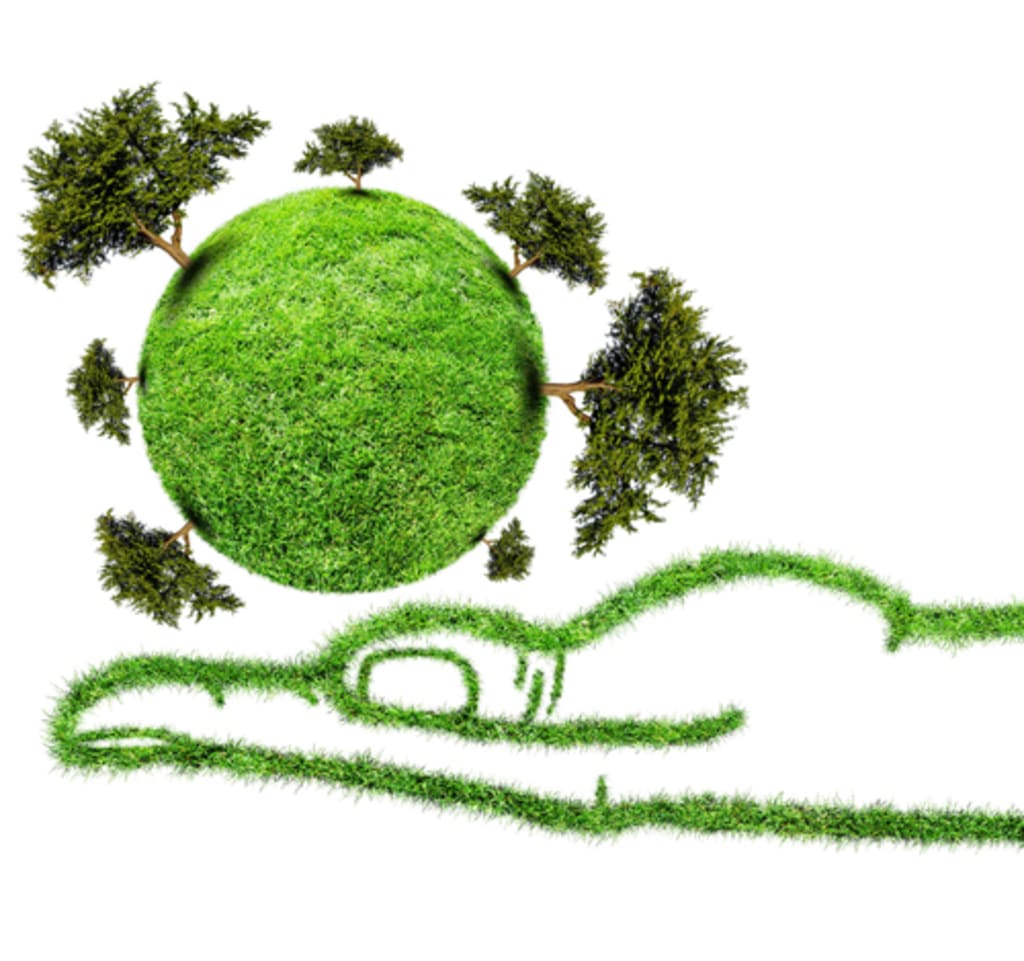
As people around the world celebrate World Environment Day on June 4, the planet is facing three global emergencies: the climate is heating up too quickly for humans and nature to adapt; habitat loss and other pressures are causing an estimated 1 million species of Species are threatened with extinction; pollution continues to poison our air, land and water. UN Secretary-General Guterres emphasized, "We can no longer ignore the alarm bells that are constantly ringing in our ears. Our only way out is to cooperate with nature, not against it."
In his speech on World Environment Day, Guterres said that the theme of this year's World Environment Day is "Only One Earth". This sentence is simple and straightforward, and it speaks the truth. The earth is the only home of mankind. We must protect the health of the Earth's atmosphere, maintain the richness and diversity of life on Earth, defend the Earth's ecosystems, and maintain the limited resources on Earth. However, we currently do not do this. The human way of life demands too much from the earth to be sustainable. Earth's natural systems are no longer keeping up with human needs.
Anderson, Executive Director of the United Nations Environment Program, pointed out in a video speech, "We urgently need to act against time. At present, we are facing intensified extreme heat waves, droughts, floods, wildfires, epidemics, breathing dirty air, Witnessing oceans increasingly filled with plastic and bearing the ravages of war . . . now more than ever, solidarity and shared action are important."
Environmental health affects everyone
Guterres said a healthy environment is essential for all people and is essential to achieving all 17 Sustainable Development Goals. A healthy environment provides food, clean water, medicine, a healthy environment regulates the climate, and a healthy environment protects humans from extreme weather events.
Individuals, too, must act effectively as voters and consumers to achieve goals through the policies they embrace, the food they eat, the transportation they choose, and the companies they support. We can all make choices that are good for the environment and contribute to the necessary changes. ——United Nations Secretary-General Guterres
"We must manage nature wisely and share its resources and functions fairly, especially with the most vulnerable," he said.
More than 3 billion people are currently affected by ecosystem degradation. Pollution kills around 9 million prematurely every year. More than one million animal and plant species are at risk of extinction, many within decades.
In addition, nearly half of humanity is already in climate danger zones, which are 15 times more likely to die from climate events such as extreme heat, floods, and droughts than other areas. In the next five years, the possibility that the global average annual temperature increase will break through the upper limit of 1.5 degrees Celsius set by the "Paris Agreement" is as high as 50%. By 2050, more than 200 million people could be displaced each year due to climate imbalance.
Can no longer turn a deaf ear to the alarm bells
Guterres said: "50 years ago, world leaders gathered at the United Nations Conference on the Human Environment and made a commitment to protect the planet. But we have been far from successful. Humanity can no longer turn a deaf ear to the increasingly loud alarm bells."
He noted that the recent Stockholm+50 Environment Conference reaffirmed that the achievement of all 17 Sustainable Development Goals depends on the planet staying healthy. "We must all take responsibility to avoid disasters caused by the triple crisis of climate change, pollution, and loss of biodiversity."
sustainable action
Guterres pointed out that governments urgently need to prioritize climate action and environmental protection and formulate policies that can promote sustainable progress. He made five specific recommendations to dramatically accelerate the world's adoption of renewable energy, including making renewable technologies and raw materials available to all, cutting red tape, reorienting subsidies, and tripling related investments .
Businesses must place sustainability at the heart of their decision-making, both for the benefit of humanity and for their own bottom line. A healthy planet is the backbone of nearly every industry in the world.
Guterres emphasized: "Individuals must also act effectively as voters and consumers, contributing to the realization of goals through the policies they support, the food they eat, the transportation they choose, and the companies they support. We We can all make choices that are good for the environment and contribute to the necessary changes.”
He noted that women and girls in particular can be powerful agents of change. They must be empowered and empowered to participate in decision-making at all levels. Likewise, indigenous wisdom and traditional knowledge must be respected to help us protect fragile ecosystems.
About the Creator
Enjoyed the story? Support the Creator.
Subscribe for free to receive all their stories in your feed.
Comments
There are no comments for this story
Be the first to respond and start the conversation.