
The worst earthquake in history
The Moment the Earth Began to Shake

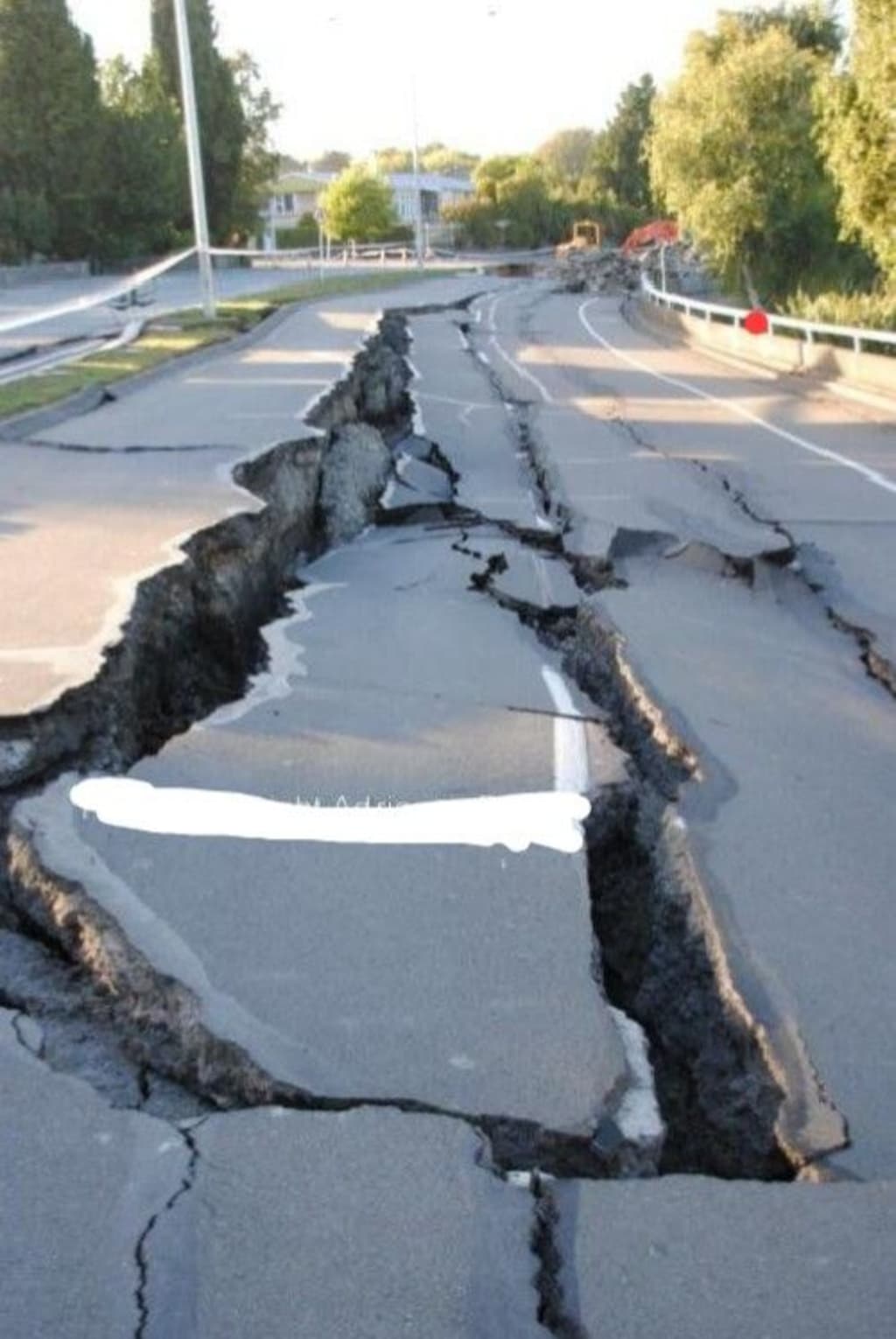
The Worst Earthquake in History The 1556 Shaanxi Earthquake is widely considered the deadliest earthquake in recorded history. It struck northern China on January 23, 1556, during the reign of the Jiajing Emperor of the Ming Dynasty. Historians estimate that approximately 830,000 people lost their lives, making it the most deadly earthquake ever documented. Even though stronger earthquakes have occurred since then, none are known to have caused such a large loss of human life. The earthquake occurred in Shaanxi Province, near the cities and counties of Huaxian, Huayin, and Weinan. Modern scientists estimate that its magnitude was around 8.0. The shaking was extremely powerful and was felt across a vast region of China. At that time, people had no warning systems and little understanding of earthquakes, so the disaster caught everyone by surprise. One important reason why the death toll was so high was the type of homes many people lived in. Large numbers of residents lived in cave dwellings called "yaodongs." These homes were dug into soft loess cliffs and hillsides. They were popular because they stayed warm in winter and cool in summer. However, when the earthquake struck, many of these cave homes collapsed instantly. Thousands of families were buried beneath tons of soil and rock within seconds. Historical records describe terrifying scenes. The ground shook violently, causing buildings, temples, walls, towers, and homes to collapse. Large cracks opened in the earth. Mountains experienced landslides, and huge clouds of dust covered entire areas. In some places, rivers changed course because of the powerful movement of the land. The destruction was so widespread that many villages and towns were almost completely destroyed. The earthquake affected more than 97 counties across several provinces, including Shaanxi, Shanxi, Henan, Gansu, and Hebei. Entire communities disappeared. Roads became blocked by landslides, making travel nearly impossible. Bridges collapsed, and communication between regions was disrupted. Survivors often had no way to contact nearby towns or ask for help. For many people, the danger did not end when the shaking stopped. Aftershocks continued to strike the region, causing additional damage to weakened structures. Many survivors were afraid to return to their homes. Thousands of people were forced to sleep outdoors in cold winter conditions. Food supplies were destroyed, and clean drinking water became difficult to find. As days passed, new problems emerged. Disease spread among displaced populations living in temporary shelters. Injuries that could have been treated under normal circumstances became life-threatening because medical knowledge and resources were limited. Hunger and illness increased the suffering of those who had already survived the earthquake itself. The Ming government attempted to help the affected population. Officials traveled through the damaged areas to assess the destruction and provide assistance where possible. Historical documents from the time recorded the scale of the disaster in remarkable detail. These records have helped modern historians understand the true impact of the earthquake. The Shaanxi Earthquake remains significant not only because of its death toll but also because it changed how people thought about construction. After witnessing the destruction, many communities began rebuilding with greater attention to safety. In some regions, lighter materials and different architectural designs were used to reduce the risk of collapse during future earthquakes. Scientists today continue to study the earthquake. By examining historical documents, geological evidence, and fault lines, researchers have learned more about the causes of large earthquakes. These studies contribute to modern earthquake preparedness and help engineers design safer buildings. Although the disaster occurred nearly five centuries ago, it remains an important part of world history. The earthquake demonstrated the incredible power of natural forces and the vulnerability of human settlements. It also highlighted the importance of preparation, strong infrastructure, and community support during times of crisis. The survivors of the Shaanxi Earthquake faced unimaginable challenges. They lost family members, homes, farms, and entire communities. Yet many worked together to rebuild their lives. Their determination and resilience became an example of human strength in the face of tragedy. Today, the 1556 Shaanxi Earthquake is remembered as the deadliest earthquake ever recorded. With an estimated 830,000 deaths, it stands as one of the most devastating natural disasters in human history. Its story continues to remind people around the world of the importance of disaster preparedness, scientific research, and helping one another during difficult times.
About the Creator
Hafiz afridi
✍️ Writer | Creator | Dreamer Sharing original stories, ideas, and knowledge with the world. Turning thoughts into words and words into impact.
Enjoyed the story? Support the Creator.
Subscribe for free to receive all their stories in your feed.
Comments
There are no comments for this story
Be the first to respond and start the conversation.