
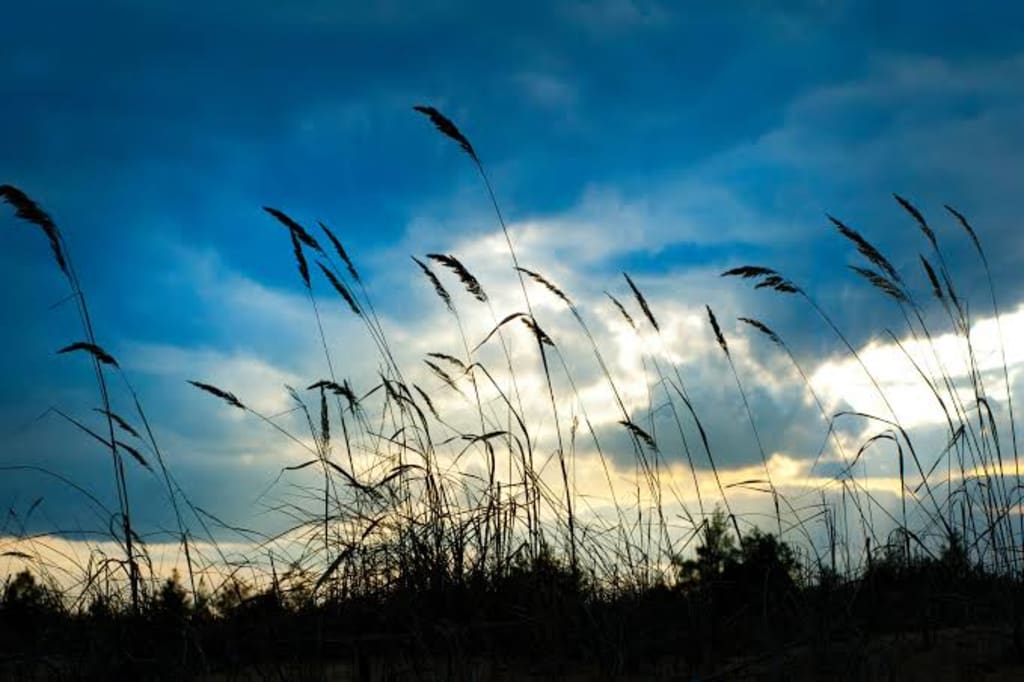
The wind is a powerful force of nature that can be both beautiful and destructive. It can be gentle and soothing, or it can be violent and terrifying. The wind is created by differences in air pressure, and it can travel at incredible speeds, sometimes reaching over 200 miles per hour.
One of the most fascinating things about the wind is that it has been used by humans for thousands of years. Ancient sailors used the wind to navigate the seas, and windmills were used to grind grain and pump water. Today, wind turbines are used to generate electricity, and wind power is becoming an increasingly popular source of renewable energy.
But the wind can also be a destructive force. Hurricanes, tornadoes, and other severe weather events are all caused by the wind. These events can cause significant damage to buildings, vehicles, and other structures, and they can be deadly.
Despite its destructive potential, the wind is also a source of beauty and wonder. Watching the wind blow through the trees or across the ocean can be a mesmerizing sight. Kites and other flying objects can be flown in the wind, and the wind can even be used to create music through instruments like wind chimes.
The wind also plays an important role in shaping our planet. It helps to distribute heat and moisture around the globe, and it can erode mountains and carve out valleys. The wind can even create natural wonders like sand dunes and rock formations.
In many cultures, the wind is seen as a symbol of change and transformation. It is often associated with the seasons, and it can bring both good and bad fortune. The wind is also a common theme in literature and art, and it has been used to represent everything from freedom and adventure to chaos and destruction.
In conclusion, the wind is a fascinating and complex force of nature. It can be both beautiful and destructive, and it plays an important role in shaping our planet. Whether we are harnessing its power to generate electricity or simply enjoying the sight of it blowing through the trees, the wind is an essential part of our world.
Wind in various states;
1. Wind Energy: Wind energy is a renewable source of energy that is generated by wind turbines. Wind turbines convert the kinetic energy of the wind into electrical energy, which can be used to power homes and businesses. Wind energy is a clean and sustainable alternative to fossil fuels, and it is becoming increasingly popular around the world.
2. Wind Power Plants: Wind power plants are facilities that generate electricity from wind turbines. Wind power plants can range from small, single-turbine installations to large wind farms with hundreds of turbines. Wind power plants are often located in areas with high wind speeds, such as coastal regions and mountain passes.
3. Wind Erosion: Wind erosion is the process by which wind moves and erodes soil and other materials. Wind erosion can cause significant damage to crops, livestock, and infrastructure, and it can also contribute to air pollution. Wind erosion can be prevented or reduced through various methods, such as planting windbreaks, using cover crops, and reducing tillage.
4. Wind Chill: Wind chill is the perceived decrease in temperature caused by the combination of wind and low air temperature. Wind chill can cause frostbite and hypothermia, and it can also affect the performance of vehicles and machinery. Wind chill is typically measured using the wind chill index, which takes into account both wind speed and air temperature.
5. Wind Patterns: Wind patterns are the prevailing directions and speeds of wind in a particular area. Wind patterns can be influenced by various factors, such as topography, temperature, and pressure systems. Wind patterns are important for understanding weather patterns and for predicting the movement of air pollution and other airborne particles.
By exploring these additional topics related to wind, we can gain a better understanding of the many ways in which wind affects our lives and the environment. Wind is a powerful force that can be harnessed for good or can cause harm, depending on how we manage it. As we continue to develop new technologies and strategies for working with wind, we can create a more sustainable and resilient future for ourselves and for the planet.
About the Creator
Enjoyed the story? Support the Creator.
Subscribe for free to receive all their stories in your feed.
Comments
There are no comments for this story
Be the first to respond and start the conversation.