
The whole truth behind the Los Angeles fires
What is the cause of these intense fires?
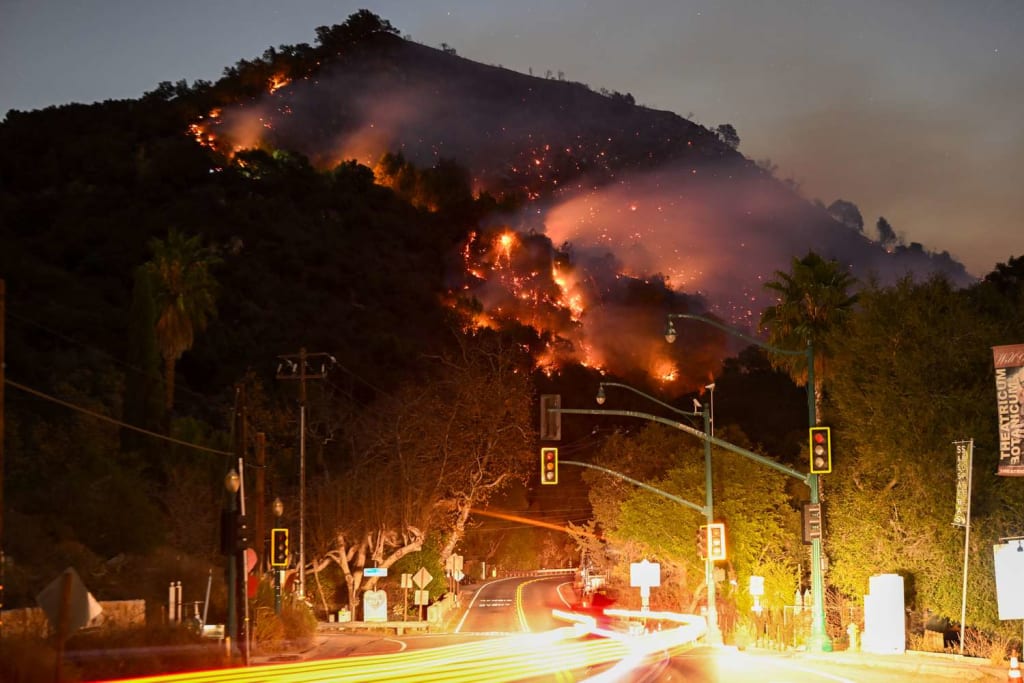
Even fully operational hydrants were not enough to fight fires the size of the one that broke out on Jan. 7, especially when air resources, such as helicopters and fixed-wing aircraft, were grounded due to winds. “I don’t know of a water system in the world that is equipped for this type of event,” said Greg Pierce, a water resources expert at the University of California
Here comes an important question: What is the main reason for these fires?
Due to dry conditions, high temperatures and strong winds exceeding 150 km/h, the fires destroyed thousands of acres in a few days.
Scientists and environmentalists have pointed to climate change as a major factor contributing to the severity and frequency of California wildfires, according to a report in the Wall Street Journal.
Rising global temperatures have prolonged droughts and dried out vegetation, creating ideal conditions for fires to spread quickly.
In the upscale Pacific Palisades, home to Hollywood stars, officials have pinpointed the origin of the wind-driven fire behind a home overlooking a densely wooded valley, on Piedra Morada Drive, according to an Associated Press report.
While lightning is the most common source of fires in the United States, according to the National Fire Protection Association, investigators were able to quickly rule that out. There were no reports of lightning strikes in the Palisades or the terrain surrounding the Eaton Fire, which started in eastern Los Angeles County and also destroyed hundreds of homes.
Away from the conspiracy theories that have been widely spread in the United States about the causes of the devastating Los Angeles fires, which leveled entire neighborhoods to the ground, new evidence has emerged that may lead to major surprises about the spark that ignited the inferno and spread from the forests to residential areas.
New evidence from fire department records suggests the first fire alarm reported Tuesday came 30 minutes after flames began to shoot up at a mountain range site familiar to firefighters, who were there six days earlier to contain a New Year's Eve blaze that may have been sparked by a fireworks display.
Experts say the new fire started close to the old one, making it more likely that the New Year's Eve fire could reignite, something that could happen in stormy conditions and is known to specialists as a "reignition."
What exacerbated the crisis, according to the Washington Post, was that the firefighters' response to the new fire was much slower than it was on New Year's Eve.
According to US documents, the re-ignition of previous fires, whether in Colorado, California or Hawaii, left behind the most catastrophic and deadly wildfires in the United States. Last summer, local authorities in California warned residents that fires that were controlled could reignite and remain dangerous for weeks, as the fire could remain undetected under debris or in wood.
Despite warnings of high and dangerous winds last week, a Los Angeles Fire Department spokesman said Friday that it is not customary to maintain patrols at former fire sites, even for a few days after the fires have ended.
Investigators are still searching for the cause of the Palisade Fire, which was the nucleus of a terrifying series of firestorms that lasted for days and would touch nearly every corner of the sprawling Los Angeles area. It has destroyed containment lines and residential buildings, destroying more than 12,000 homes, and causing massive displacement and loss.
With speculation ranging from fallen power equipment to arson, determining the origin of the fires will have huge and potentially costly implications for the United States and how it manages its growing wildfire risk.
Since the fire began Tuesday, local authorities have learned that the smoke started in the Temescal Ridge area of the Santa Monica Mountains, where the previous fire occurred, which residents believe was sparked by fireworks, a claim supported by satellite imagery.
Amid accusations of poor response and insufficient personnel, media outlets reported that the Los Angeles elite resorted to hiring private firefighters, who charge $2,000 an hour, to protect their properties, while pink chemicals were dropped on the celebrity area to protect multi-million dollar homes, a move that angered many.
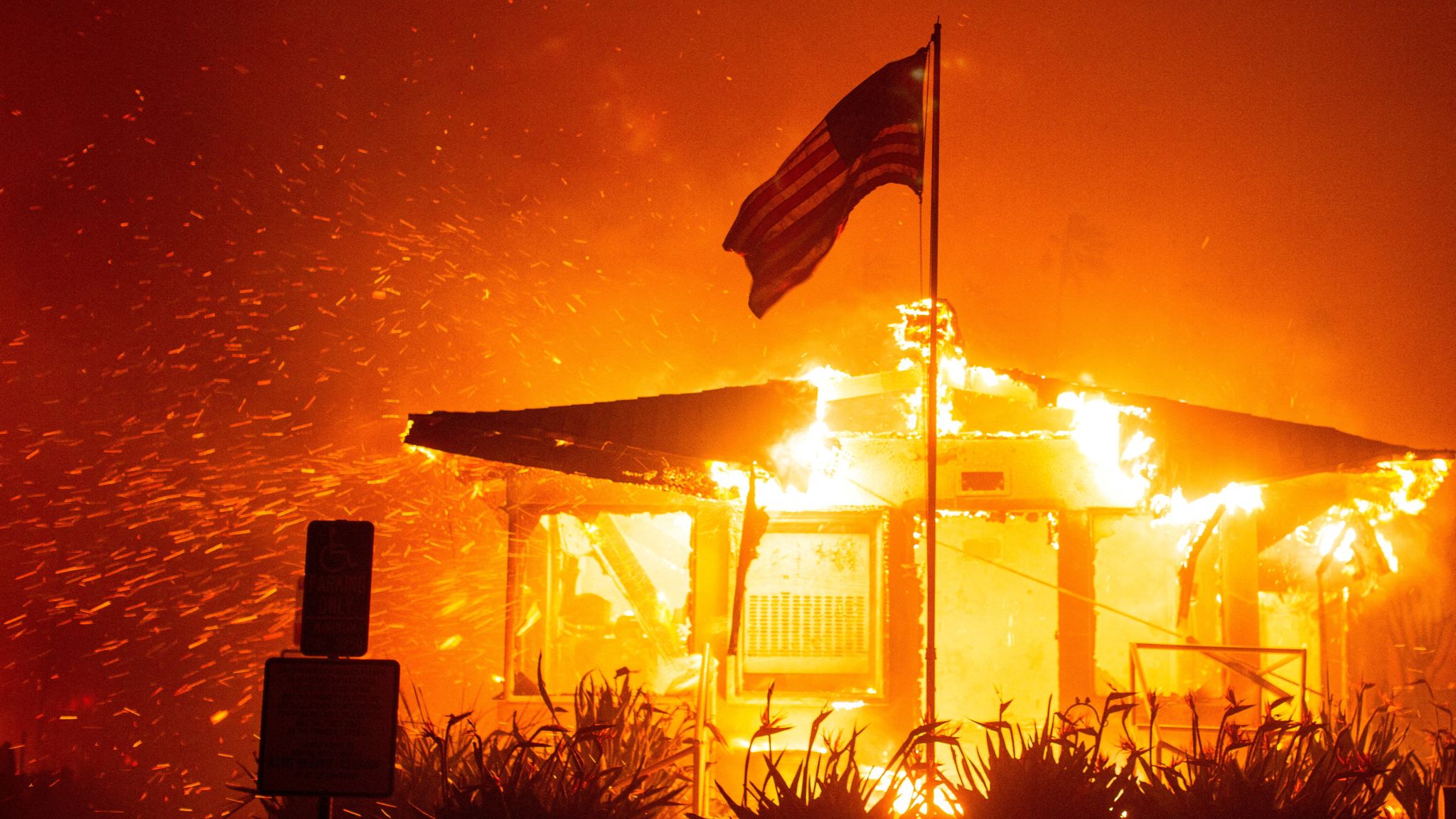
As of January 10, the initial direct economic damage from these fires was estimated at more than $50 billion, with only about $20 billion expected to be covered by insurance, according to JPMorgan estimates.
A report by AccuWeather, a US weather forecasting company, said total losses could range between $135 billion and $150 billion, reflecting the huge impact on an area containing some of the most expensive real estate in the United States.
The Economist stresses that the Los Angeles fires should be an important reminder of the urgent need to take comprehensive action on climate change and build a resilient insurance system, noting the need for policymakers to address systemic weaknesses to prevent further destruction.
As Senator Sheldon Whitehouse pointed out in a statement to Bloomberg, the cascading failures caused by such disasters could lead to a broader economic collapse unless decisive action is taken.
About the Creator
Enjoyed the story? Support the Creator.
Subscribe for free to receive all their stories in your feed.
Comments
There are no comments for this story
Be the first to respond and start the conversation.