
The Whales Are Back From the Brink of Extinction — But Will Tourism Help or Hinder?
The dramatic recovery of humpback whales offers hope for marine conservation, but growing whale-watching tourism could create a new challenge if encounters are not carefully managed.
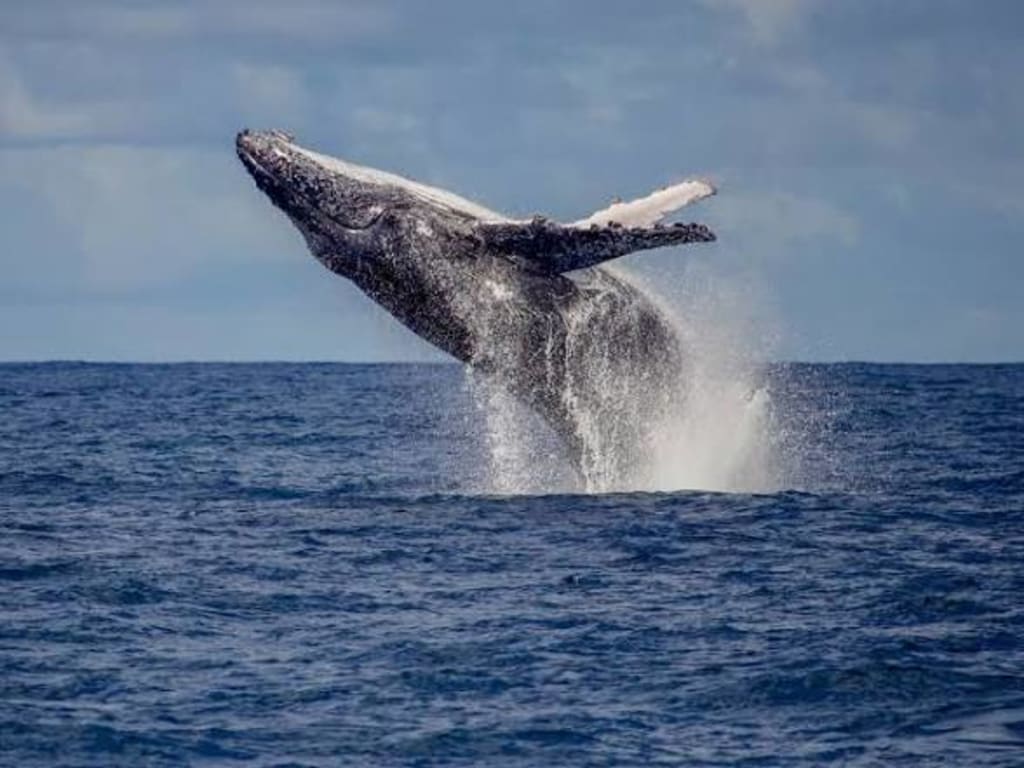
For decades, the return of humpback whales has represented one of the ocean’s most encouraging conservation stories. Once devastated by commercial whaling, these enormous marine mammals are now appearing in greater numbers along parts of Brazil’s coast, including waters near Rio de Janeiro. Their comeback is remarkable: the population that had fallen to fewer than 1,000 animals in the 1980s is now estimated at roughly 30,000–35,000. �
The Guardian
But success has created a new dilemma. As more whales return, more tourists want to see them. Whale-watching can generate income, support local businesses and introduce millions of people to marine conservation. At the same time, too many boats, excessive noise, pollution and careless approaches can disturb whales and potentially undermine the recovery that made tourism possible.
The central question is therefore becoming increasingly important: Can whale tourism protect the animals it celebrates, or could popularity become another threat?
A Remarkable Conservation Recovery
Humpback whales were once hunted commercially on an enormous scale. Their oil, meat and other body parts made them valuable targets, causing populations to collapse in many parts of the world.
International conservation measures and the decline of commercial whaling eventually allowed many populations to recover. In Brazil, the resurgence has been particularly visible. Scientists and residents are increasingly observing humpbacks in coastal waters, including areas where encounters were previously unusual.
The return of mothers and calves is especially encouraging because it indicates that these waters are being used for important parts of the whales’ life cycle, including breeding and raising young.
Yet recovery does not mean that whales are completely safe. They still face threats from vessel strikes, fishing gear, pollution, climate change, underwater noise and habitat disturbance.
Tourism Brings Economic Opportunities
Whale-watching has become an important form of nature tourism around the world. Coastal communities can benefit through boat operators, hotels, restaurants, guides, transportation companies and other businesses.
The International Whaling Commission recognizes that whale-watching can provide economic opportunities while encouraging people to value healthy whale populations. It also works with governments, scientists and tourism operators to develop approaches designed to reduce disturbance.
International Whaling Commission
This creates an important economic incentive.
A living whale can generate tourism revenue repeatedly over many years, whereas a dead whale taken through hunting provides only a short-term economic benefit. Responsible tourism can therefore help transform whales from hunted resources into valuable conservation assets.
Tourists can also become more aware of marine ecosystems. A visitor who watches a humpback whale breach beside a boat may leave with a stronger understanding of why ocean conservation matters.
When Tourism Becomes Too Much
The problem begins when commercial demand grows faster than environmental management.
Whales are sensitive to changes in their surroundings. Boats approaching repeatedly can alter their movements, feeding patterns and use of important habitats. Research reviewed by the U.S. Geological Survey has found that whale-watching can produce measurable behavioral changes, raising questions about its long-term sustainability.
U.S. Geological Survey
More boats can also create additional underwater noise. For animals that rely heavily on sound for communication and navigation, increasing human activity can interfere with important behaviors.
Pollution is another concern. Increased tourism can mean more fuel consumption, waste and coastal development unless operators and governments impose strong environmental standards.
The International Whaling Commission therefore recommends measures including limits on vessel numbers, approach distances, boat speeds and the amount of time vessels spend with whales.
International Whaling Commission
The Importance of Responsible Whale Watching
Not every whale-watching operation has the same environmental impact.
Responsible operators can contribute directly to conservation by following distance rules, reducing speed, limiting the number of boats around animals and educating passengers about whale behavior.
Some operators also cooperate with scientists. In Rio, for example, whale-watching businesses have participated in research and data collection, allowing tourists to become part of a broader scientific effort.
This model offers an opportunity to make tourism more than entertainment. Boats can become platforms for monitoring whale populations, identifying individuals, recording behavior and reporting unusual observations.
Such cooperation can provide valuable information while giving tourists a deeper understanding of marine science.
Regulation Will Determine the Future
Growing whale tourism requires effective regulation.
A destination that becomes famous for whale sightings may attract more boats every year. Without limits, the same success can gradually produce overcrowding.
Authorities can establish maximum numbers of vessels, minimum approach distances, speed restrictions and seasonal protection zones. They can also require operators to obtain licenses and follow environmental codes.
Scientific monitoring should accompany these rules. Regulations cannot remain fixed forever if whale populations, migration routes or tourism patterns change.
Research into whale-watching tourism shows that ecological impacts, consumer behavior and management strategies remain major areas of scientific attention. A 2025 review of five decades of research concluded that more work is needed to determine how whale watching can become genuinely sustainable.
Tourists Have a Role Too
Visitors are not powerless.
Tourists can choose operators that follow recognized wildlife-watching guidelines, avoid businesses that encourage close or aggressive encounters and respect instructions from guides.
The best whale-watching experience should not necessarily be the one where a boat gets closest to an animal. A responsible encounter may involve watching from a greater distance and allowing the whale to decide whether it approaches.
That distinction matters because conservation tourism should prioritize the animal rather than the photograph.
A New Model for Marine Tourism
The return of humpback whales offers an opportunity to rethink the relationship between tourism and conservation.
Instead of measuring success only by the number of tourists or boat trips, communities could measure success by whether whale populations remain healthy while local economies benefit.
That means putting science at the center of tourism planning.
Protected areas, responsible boat operations, research partnerships and public education can work together. Tourism revenue could also help finance marine research, rescue programs and habitat protection.
In this model, the whale becomes more than an attraction. It becomes the reason to protect an entire marine ecosystem.
Conclusion
The return of humpback whales from the brink of extinction is an extraordinary conservation achievement. Their growing presence along Brazil’s coast demonstrates what decades of protection and reduced hunting pressure can accomplish.
But recovery brings responsibility.
If tourism is allowed to grow without limits, the increasing number of boats and visitors could disturb the very animals people have traveled to see. If it is carefully regulated and connected to science and conservation, however, whale watching can provide economic benefits while strengthening public support for marine protection.
The future should not be about choosing between whales and tourism. **It should be about creating a tourism industry that depends on healthy whale populations—and therefore has every reason to protect them.*
About the Creator
Enjoyed the story? Support the Creator.
Subscribe for free to receive all their stories in your feed.
Comments
There are no comments for this story
Be the first to respond and start the conversation.