
The Vital Role of Plants in Sustaining Life
Exploring How Plants Support Our Environment, Health, and Future
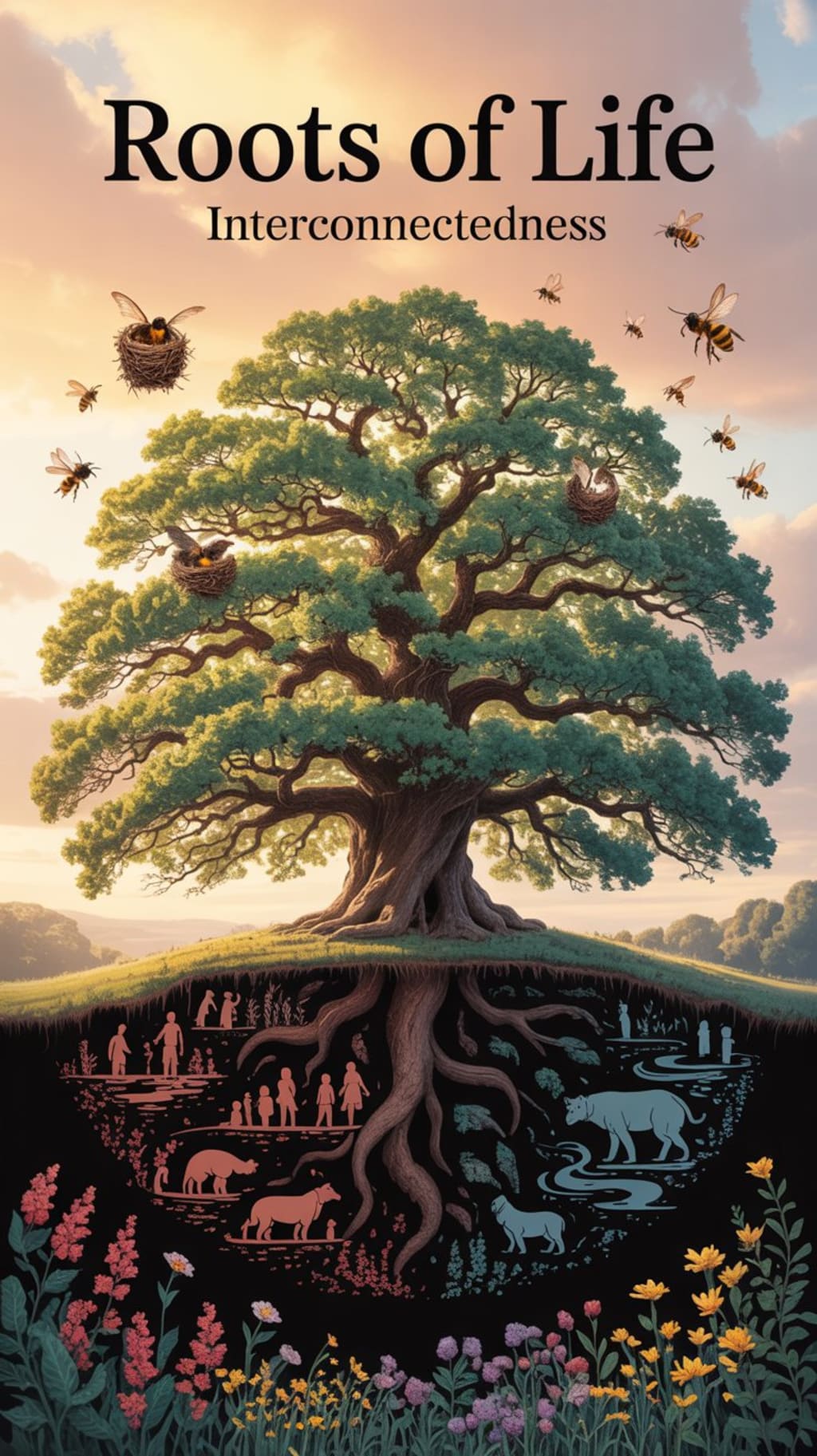
In the heart of a lush forest, where the sun dappled through the thick canopy of trees and the air hummed with the sounds of life, there lived a young girl named Maya. She had grown up in a small village at the edge of the forest, where her elders often spoke of the importance of trees, flowers, and all things green. But like many children, Maya had never fully understood why plants were so revered. To her, they were simply part of the landscape—a backdrop to her daily adventures.
One afternoon, after the village experienced a particularly fierce storm, Maya decided to take a walk through the forest. The sky was still overcast, and the air was thick with moisture. As she wandered, she came across a large oak tree that had fallen during the storm. Its massive roots were uprooted, and its trunk lay cracked across the forest floor. Maya sat on a nearby rock, staring at the tree in wonder. She noticed something unusual: where the roots had torn through the earth, she could see small streams of water trickling through the soil, nourishing the plants around it.
Her curiosity piqued, Maya began to ask herself: What exactly do plants do for the world around them?
The First Lesson: Oxygen and Air Quality
As if on cue, an old woman, who Maya had often seen in the village but never spoken to, appeared at the edge of the clearing. Her name was Grandma Elara, and she was known for her deep knowledge of the forest and everything that grew within it. She smiled at Maya and sat down beside her.
"You’re wondering about that fallen tree, aren’t you?" Grandma Elara asked, her voice soft but firm.
Maya nodded. "Yes. It’s strange, isn’t it? I’ve never really thought about what trees do... I mean, other than just standing there."
Grandma Elara chuckled. "Oh, my dear, trees and plants do far more than simply stand there. They are the very breath of our world."
Maya tilted her head, confused.
"Let me tell you," Grandma Elara continued, "every plant you see around you—whether it’s a tree, a flower, or even the smallest blade of grass—plays a crucial role in keeping the air we breathe fresh and clean. Plants are the lungs of the Earth. Through a process called photosynthesis, they absorb carbon dioxide from the air and release oxygen, which is vital for our survival. Without plants, there would be no oxygen for animals like you and me to breathe."
Maya’s eyes widened. She had always taken the air she breathed for granted, never considering that it might be plants that made it possible.
The Second Lesson: Water Regulation and the Hydrological Cycle
As they walked deeper into the forest, Maya began to notice something else: the soil was soft and spongy underfoot, and the air smelled rich with the scent of damp earth.
"See the way the plants help hold the soil together?" Grandma Elara asked. "They are not just standing there to look pretty. Their roots anchor the earth, preventing erosion and helping to maintain the balance of the land. Without plants, the soil would be washed away by rain, and the land would turn barren."
Maya knelt down to touch the roots of a nearby fern, feeling the intricate network beneath the surface.
"Plants also help regulate the water cycle," Grandma Elara explained. "When it rains, plants absorb water through their roots and release it back into the air through a process called transpiration. This contributes to the formation of clouds and, ultimately, the rainfall that nourishes all life. Without plants, much of the water on Earth would run off and be lost."
Maya looked up at the sky, her mind racing with new understanding. She had always wondered why the forest seemed to have its own weather, distinct from the village. Now, she understood it was the plants that helped create the weather patterns, influencing the rain and keeping the land hydrated.
The Third Lesson: Biodiversity and Ecosystem Balance
As they continued their walk, Grandma Elara pointed to various plants and animals, each one playing its part in the delicate web of life. Maya spotted a squirrel darting up a tree, a family of birds building a nest, and insects buzzing from flower to flower.
"You see," Grandma Elara said, "plants support the entire web of life. They are the foundation of every ecosystem. The animals, insects, birds, and even microorganisms depend on plants for food, shelter, and survival. Without plants, there would be no animals, and without animals, there would be no plants. They are all interconnected."
Maya gazed around her, now seeing the forest as a living, breathing entity, where every tree, leaf, and creature worked together to create a thriving world. The fallen oak tree, she now realized, was just another part of the cycle—a provider of nutrients to the soil, a home for insects, and a source of food for other organisms.
The Fourth Lesson: Human Connection to Plants
Later that day, as Maya returned to the village, Grandma Elara gave her one final piece of wisdom.
"Plants are not only essential for the environment but for us humans as well. We depend on them for food, medicine, and materials. Every meal you eat, every bit of fabric you wear, and even the medicines that heal your body have their origins in plants."
Maya nodded, the lessons of the day settling deep within her. She had always known plants were useful, but she had never fully appreciated how deeply interconnected they were with all life on Earth.
As she walked back home, she thought about the importance of protecting plants and the forests around her. Without them, the world would not be able to sustain life as it did. She realized that, just as the trees and plants provided for the world, it was now up to people like her to care for and protect them.
A New Understanding
Maya's walk through the forest had transformed her understanding of the world. She had learned that plants were not just part of the scenery; they were the very foundation of life on Earth. They purified the air, regulated water, maintained biodiversity, and even provided the resources that humans relied on every day.
From that day forward, Maya became an advocate for the protection of plants. She shared her newfound knowledge with everyone in the village, urging them to plant trees, conserve forests, and appreciate the incredible role plants played in sustaining life. And as she grew older, she continued to carry the wisdom of the forest with her, always remembering the vital lesson Grandma Elara had taught her: that life, in all its forms, depends on plants.
About the Creator
Enjoyed the story? Support the Creator.
Subscribe for free to receive all their stories in your feed.
Comments
There are no comments for this story
Be the first to respond and start the conversation.