
The Urgent Need to Address Water Pollution
Protecting Our Most Precious Resource
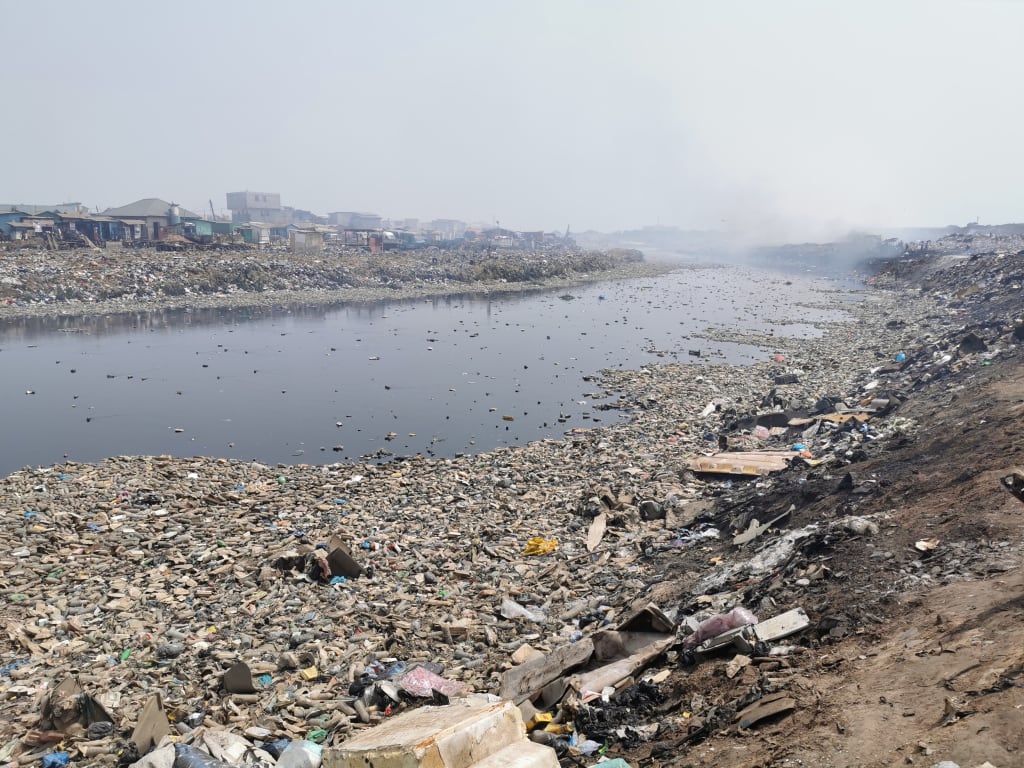
Water is essential for all life on Earth. It sustains ecosystems, provides us with drinking water, and supports various industries. However, our water sources are under a severe threat: water pollution. Water pollution occurs when harmful substances contaminate lakes, rivers, oceans, and groundwater, rendering them unsafe for human use and detrimental to the environment. In this blog, we will explore the causes, consequences, and potential solutions to combat this critical issue.
Causes of Water Pollution
Industrial Activities: Many industries release toxic chemicals, heavy metals, and hazardous wastes into water bodies. These contaminants can persist for years and have detrimental effects on aquatic life and human health.
Agricultural Runoff: The excessive use of fertilizers, pesticides, and herbicides in agriculture results in runoff, carrying these chemicals into water sources. This runoff leads to eutrophication, causing algal blooms and oxygen depletion, ultimately damaging aquatic ecosystems.
Sewage and Wastewater Discharge: Improperly treated sewage and wastewater from domestic and industrial sources are frequently discharged into water bodies, contaminating them with pathogens and harmful chemicals.
Oil Spills: Accidental oil spills during transportation or offshore drilling operations have devastating consequences on marine life and coastal ecosystems. Oil spreads rapidly, creating a toxic film on the water surface and suffocating marine organisms.
Plastic Pollution: The exponential increase in plastic production and improper waste management have led to massive amounts of plastic debris in our oceans and waterways. This not only threatens marine life but also poses risks to human health through the consumption of microplastics.
Consequences of Water Pollution
Threat to Human Health: Contaminated water sources can lead to various waterborne diseases such as cholera, typhoid, hepatitis, and gastrointestinal illnesses. Vulnerable populations, including children and the elderly, are particularly at risk.
Ecosystem Disruption: Water pollution disrupts delicate aquatic ecosystems by causing the death of fish, plants, and other organisms. Imbalances in the ecosystem lead to a decline in biodiversity, loss of habitat, and disruptions in the food chain.
Economic Impact: Water pollution has severe economic implications. Contaminated water affects industries such as fisheries, tourism, and agriculture, leading to financial losses, unemployment, and decreased food production.
Drinking Water Scarcity: With freshwater sources contaminated, the availability of safe drinking water becomes a significant challenge. This scarcity forces communities to rely on expensive treatment methods or resort to using unsafe water, exacerbating the health risks.
Solutions to Combat Water Pollution
Strengthen Environmental Regulations: Governments and regulatory bodies should enforce stringent laws to control industrial discharges and ensure proper waste management practices. Penalties for non-compliance should be enforced to deter polluters.
Promote Sustainable Agriculture: Encouraging organic farming practices, reducing the use of chemical fertilizers and pesticides, and implementing effective irrigation systems can minimize agricultural runoff and protect water quality.
Improve Wastewater Treatment: Investment in upgrading sewage treatment facilities and implementing advanced wastewater treatment technologies can significantly reduce the discharge of untreated or partially treated wastewater.
Raise Awareness and Education: Educating communities about the importance of water conservation, pollution prevention, and responsible waste disposal can foster behavioral changes and promote a culture of environmental stewardship.
Embrace Innovation: Supporting research and innovation in water treatment technologies, plastic alternatives, and sustainable practices can lead to breakthroughs in combating water pollution. Governments, organizations, and individuals should collaborate to find innovative solutions.
Conclusion
Water pollution poses a serious threat to our environment, economy, and public health. Addressing this issue requires a collective effort from governments, industries, communities, and
About the Creator
Enjoyed the story? Support the Creator.
Subscribe for free to receive all their stories in your feed.
Comments
There are no comments for this story
Be the first to respond and start the conversation.