
The Urgency of Climate Change
Impacts and Actions for a Sustainable Future"
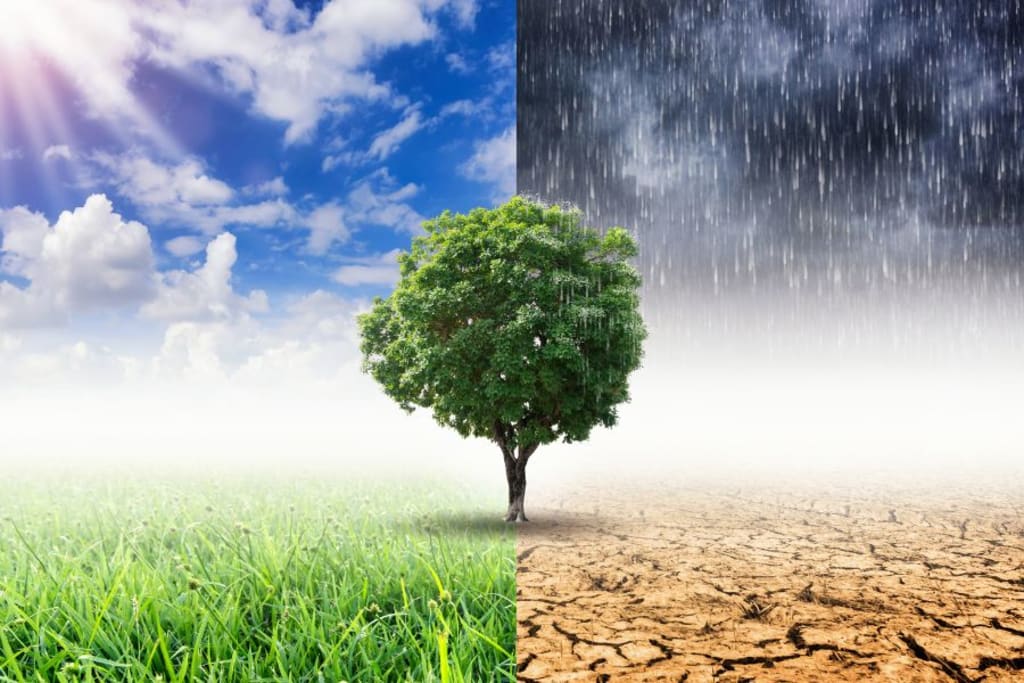
Climate change is one of the most pressing issues of our time. The Earth's climate is rapidly changing as a result of human activities, primarily the burning of fossil fuels and deforestation. These actions release greenhouse gases into the atmosphere, which trap heat and contribute to the warming of the planet.
The consequences of climate change are far-reaching and impact various aspects of our lives. One of the most evident effects is the rise in global temperatures. Average temperatures have been steadily increasing over the past century, resulting in heatwaves, droughts, and longer, more intense wildfire seasons. These extreme weather events pose risks to human health, agriculture, and natural ecosystems.
Another significant impact of climate change is the melting of glaciers and polar ice caps. As temperatures rise, ice melts at an alarming rate, causing sea levels to rise. This puts coastal cities and low-lying islands at risk of flooding and eventual submersion. Additionally, the loss of ice negatively affects Arctic and Antarctic ecosystems and threatens the survival of species such as polar bears and penguins.
Changes in precipitation patterns are also a consequence of climate change. Some regions experience increased rainfall, leading to floods and waterlogging, which can damage infrastructure and disrupt communities. Conversely, other areas face more frequent and severe droughts, harming agriculture, livestock, and overall food security.
The impact of climate change goes beyond environmental concerns; it also has social and economic implications. Displacement of communities due to sea-level rise and extreme weather events is becoming more common. This placed a strain on resources, housing, and social systems. Additionally, industries dependent on natural resources such as farming, fishing, and forestry suffer due to changing climate conditions, resulting in economic downturns and job losses.
Efforts are being made to mitigate climate change and adapt to its consequences. The Paris Agreement, signed by nearly every country in the world, aims to limit global warming to well below 2 degrees Celsius above pre-industrial levels, and to pursue efforts to limit the temperature increase to 1.5 degrees Celsius. Countries are working to reduce their greenhouse gas emissions through transitioning to renewable energy sources, implementing energy-efficient technologies, and promoting sustainable practices.
Individually, there are also steps we can take to combat climate change. Conserving energy, reducing water usage, recycling, and adopting sustainable transportation methods are all ways in which we can minimize our carbon footprint. Educational campaigns and awareness-raising initiatives are essential to promote widespread understanding and action.
While efforts to address climate change are crucial, there are challenges that must be overcome. Political will, financial investments, and global cooperation are needed to accelerate the transition to a low-carbon economy. Additionally, it is important to ensure that vulnerable communities are not left behind and that they have access to the resources and support necessary to adapt to a changing climate.
In conclusion, climate change is an urgent and complex problem that requires immediate action. Its impacts are already evident and threaten both the environment and human well-being. By reducing greenhouse gas emissions and promoting sustainable practices, we can work towards a more resilient and sustainable future. It is essential that individuals, governments, and organizations collaborate to address climate change comprehensively and protect our planet for future generations.
About the Creator
Enjoyed the story? Support the Creator.
Subscribe for free to receive all their stories in your feed.
Comments
There are no comments for this story
Be the first to respond and start the conversation.