
The Ultimate Guide to the Everest Three Passes Trek: A Journey Through the Roof of the World
Explore the Everest Three Passes Trek: A Journey for Experienced Trekkers

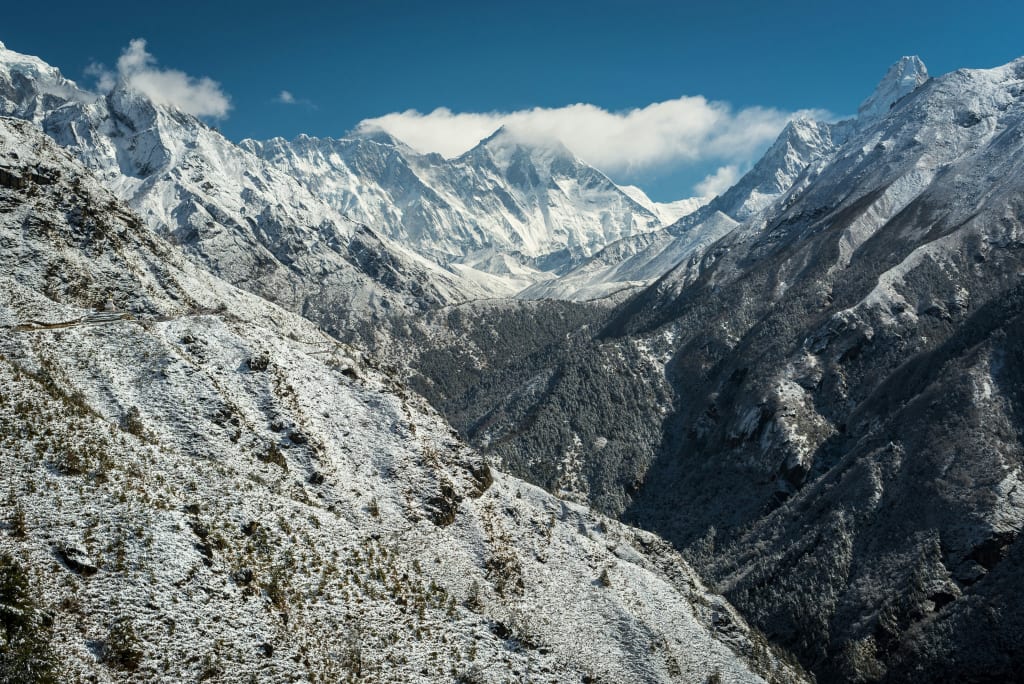
For seasoned trekkers and adventure seekers, the Everest Three Passes Trek is one of the most thrilling and challenging routes in Nepal. This trek offers not just the opportunity to see Mount Everest up close but to conquer some of the most difficult passes in the Himalayan region. From breathtaking views of the highest mountains on Earth to remote Sherpa villages and ancient monasteries, the Everest Three Passes Trek is a once-in-a-lifetime experience.
Why Choose the Everest Three Passes Trek?
Unlike the traditional Everest Base Camp trek, the Three Passes Trek offers a more remote and challenging route. The trek takes you over three high-altitude passes: Kongma La (5,535 meters), Cho La (5,420 meters), and Renjo La (5,388 meters), providing incredible panoramic views of Everest, Lhotse, Makalu, and other Himalayan peaks.
The journey also offers a deeper exploration of the Khumbu region, with visits to iconic villages like Namche Bazaar, Dingboche, and Gokyo, allowing trekkers to experience both the natural beauty and rich Sherpa culture.
Trekking Overview
The Everest Three Passes Trek typically takes around 18 to 22 days, depending on your pace and acclimatization needs. The trek is a strenuous journey that requires a good level of fitness, but the reward of standing atop these high passes, surrounded by towering peaks, is worth every step.
Key Highlights of the Trek:
High Passes Adventure: The Three Passes Trek’s greatest attraction lies in its three legendary passes. The challenging nature of crossing Kongma La, Cho La, and Renjo La will test your endurance and reward you with unrivaled views of Everest, Makalu, and Cho Oyu.
Gokyo Lakes and Gokyo Ri: The trek also takes you to the stunning Gokyo Lakes, a collection of glacial lakes, which are among the highest in the world. A hike up Gokyo Ri (5,357 meters) offers an incredible vantage point for viewing the Everest massif and its surroundings.
Glimpse of Mount Everest: Along the route, you’ll get multiple opportunities to see Everest from different perspectives. The views from Kala Patthar, Gokyo Ri, and other viewpoints are unmatched.
Best Time to Trek
The best times to trek the Everest Three Passes route are during the autumn (September to November) and spring (March to May) seasons. These months offer clear skies, moderate temperatures, and perfect conditions for trekking. Avoid trekking during the winter months (December to February) as the passes can be blocked with snow and the temperatures at higher altitudes can be dangerously cold. Similarly, the monsoon season (June to August) should be avoided due to heavy rainfall, which can make the trails slippery and dangerous.
Trekking Difficulty and Fitness Level
The Everest Three Passes Trek is rated as difficult and is suitable for experienced trekkers who are in good physical condition. The trek requires long days of walking at high altitudes, sometimes over 6-8 hours a day.
The altitude also plays a significant role in the difficulty. As you cross passes above 5,000 meters, you must be prepared for the risks of altitude sickness. Proper acclimatization is key to managing the altitude, and trekkers should follow a slow and steady pace to allow the body to adjust.
Although the trek is demanding, it offers incredible rewards, including the sense of accomplishment when you conquer each of the three passes and reach the Everest Base Camp or Gokyo Lakes.
Highlights of the Everest Three Passes Trek
Kongma La Pass (5,535 meters): The first pass of the trek, Kongma La, offers sweeping views of Everest, Lhotse, and Makalu, as well as several nearby glaciers. It is one of the highest trekking passes in Nepal and the most challenging of the three.
Cho La Pass (5,420 meters): This pass connects the Gokyo Valley with the Everest region and offers magnificent views of the Khumbu Icefall and the surrounding peaks. The ascent is steep, and the final section involves a glacier crossing.
Renjo La Pass (5,388 meters): The final pass of the trek provides some of the most stunning panoramic views of the entire Everest massif, including Everest, Lhotse, and Cho Oyu, as well as a deep look into the Gokyo Valley.
Kala Patthar: The iconic viewpoint for Everest, where you’ll have a clear and unobstructed view of the world’s tallest peak from up close.
Gokyo Lakes and Gokyo Ri: A serene and beautiful stop during the trek. The Gokyo Ri hike provides one of the best vantage points to see Mount Everest and other Himalayan giants in all their glory.
Planning Your Trek
Before setting out on the Everest Three Passes Trek, here are a few essential planning tips:
Permits: You’ll need a Trekking Information Management System (TIMS) card and an Everest National Park entry permit to trek in the region. These can be arranged through a registered trekking agency.
Guides and Porters: Hiring a guide is highly recommended for navigating the challenging terrain and ensuring safety. A porter can also help carry your gear, which will make your trek much more comfortable.
Accommodation: The trek has plenty of tea houses along the route, offering basic but comfortable accommodations. As you move higher, the lodges become simpler, but they still provide a warm meal and shelter from the cold.
Conclusion
The Everest Three Passes Trek is a challenging, yet incredibly rewarding adventure for experienced trekkers looking to explore the heart of the Khumbu region. The trek offers a combination of stunning views, cultural encounters, and physical challenges that will test your limits and leave you with memories of a lifetime.
If you’re ready to push your boundaries and experience Everest in a more intimate and remote way, the Everest Three Passes Trek is the ultimate Himalayan adventure. Prepare for an unforgettable journey across the roof of the world!
About the Creator
Enjoyed the story? Support the Creator.
Subscribe for free to receive all their stories in your feed.
Comments
There are no comments for this story
Be the first to respond and start the conversation.