
The Suburban Yard Dilemma: Saving the Striking Birch Tree
Understanding the unique biology, environmental stressors, and proactive care needed to preserve these iconic landscape assets.

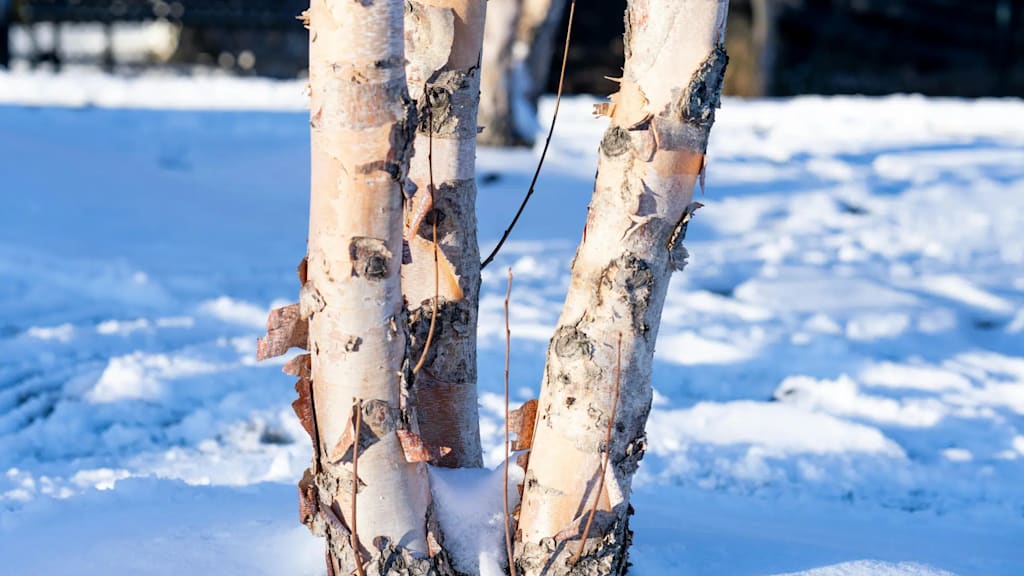
Landscaping choices often lean toward temporary visual rewards, like spring blossoms or fiery autumn leaves. Unfortunately, this leaves many yards looking bleak and empty for nearly half the year. To combat this winter monotony, property owners frequently turn to birch trees (Betula spp.). Their distinct, peeling white or cinnamon bark brings much-needed texture and color to a property when the surrounding canopy is bare. However, a frustrating pattern often emerges. A healthy birch is planted, admired for a few seasons, and then unexpectedly starts dying from the top down, transitioning from a beautiful landscape centerpiece into a brittle, hazardous liability.
This decline rarely occurs because the tree is inherently weak, but rather from a mismatch between its natural biology and suburban soil. To protect a birch, you must identify its specific species, as their resilience and pest tolerances vary wildly.
Paper Birch (B. papyrifera): The quintessential northern classic with bright white bark; requires cool, moist, well-drained soil.
Yellow Birch (B. alleghaniensis): A large forest hardwood distinguished by golden-bronze exfoliating bark.
River Birch (B. nigra): A tough, heat-tolerant native with shaggy cinnamon bark that thrives in damp, urban environments.
Gray Birch (B. populifolia): A short-lived tree with chalky bark that grows rapidly in poor, sandy soil.
Ornamental Cultivars: Non-native varieties like the European White Birch feature elegant, weeping branches but have zero natural defense against native insects. Alternatively, the Himalayan Birch offers a pure white trunk with much better pest resistance.
In natural forests, birches thrive in damp, shaded soil insulated by rich organic debris. Manicured suburban lawns disrupt this baseline. Because birch trees possess highly shallow root structures, they suffer immediately from intense summer heat, soil compaction from foot traffic, and aggressive competition from turfgrass. When a birch experiences drought stress, it releases volatile chemical compounds. To local wood-boring insects and opportunistic fungal pathogens, these chemical signals serve as a direct invitation to attack an already weakened host.
Once a tree's defenses break down, it typically faces a predictable sequence of biological threats:
Bronze Birch Borer (Agrilus anxius): The single most destructive threat to regional birches. The larvae tunnel into the inner bark during late spring, feeding on tissue and creating winding paths that disrupt nutrient and water transport, leading to rapid canopy dieback.
Birch Leafminer: A sawfly whose larvae feed inside the foliage, causing brown, blistered leaves that trigger premature defoliation and compound the tree's physiological exhaustion.
Canker Diseases: Opportunistic fungi like Cytospora create sunken, dead zones on the trunk or limbs. Because chemical cures do not exist, catching these infections early and pruning away compromised wood is the only viable solution.
Reversing this decline requires shifting from reactive treatment to proactive cultural management. First, insulate the root zone by applying a two-to-four-inch layer of organic mulch. This simple step mimics the forest floor, moderating soil temperatures and retaining critical moisture while guarding shallow roots against lawnmower damage. Second, water deeply and infrequently during dry spells to encourage deep root architecture rather than shallow surface growth. Finally, run a professional soil test before adding fertilizer to address actual nutrient deficiencies rather than introducing unnecessary chemicals haphazardly. Canopy management via structural pruning is equally vital to eliminate dead limbs and improve airflow.
Despite diligent maintenance, some trees reach a state of structural failure where preservation is no longer safe. Property owners must monitor their birches for critical red flags: a sudden or accelerated lean indicating root failure; deep internal cavities or trunk splits showing that the load-bearing wood fibers are actively failing; fungal fruiting bodies like mushrooms growing directly on the root flare; and tight, V-shaped branch unions that lack strong structural connections and split easily during storms.Regular surveillance ensures your landscape remains both beautiful and safe.
About the Creator
ORB Tree Service Marketing
ORB Tree Service Marketing provides SEO and local search strategies for the tree care and roofing industries. Follow us for insights on search optimization and lead generation for home services.
Enjoyed the story? Support the Creator.
Subscribe for free to receive all their stories in your feed.
Comments
There are no comments for this story
Be the first to respond and start the conversation.