
The Silent Signals of a Failing Tree: How to Read the Warning Signs Before the Storm
A homeowner’s practical guide to identifying canopy stress, trunk decay, and hidden root failure in your yard.

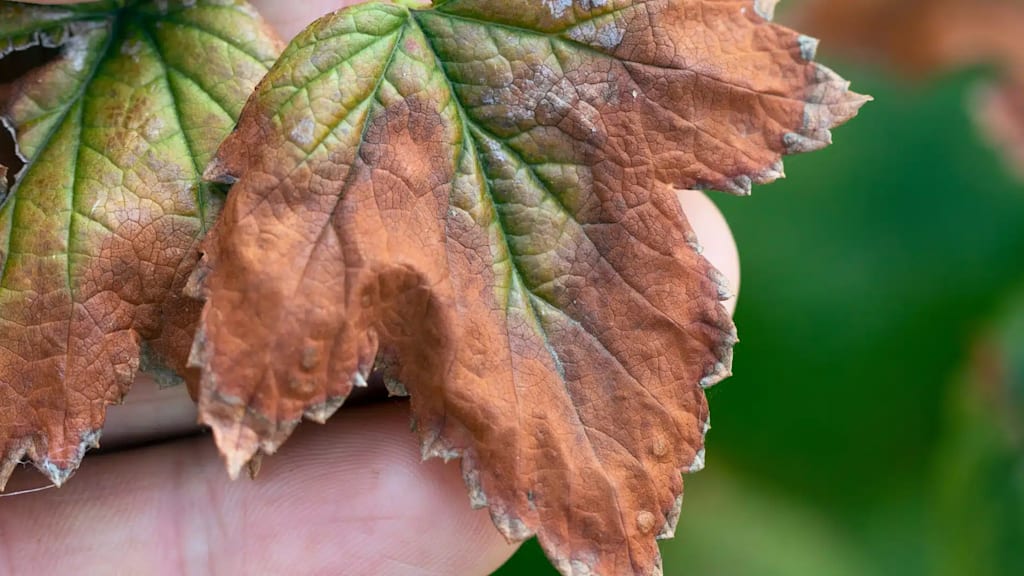
Late last summer, while mowing the lawn, I stopped to look up at a mature oak shading our back patio. A major upper branch extending toward the roofline looked surprisingly bare for mid-August. Down along the fence line, a row of arborvitae was turning a dull, rusty brown instead of holding its usual deep green. Looking a bit closer at the oak's main trunk, I noticed a thin vertical split running through the bark that definitely had not been there the previous fall.
Like most homeowners, my mind immediately jumped to a familiar dilemma: Is this just a passing seasonal hiccup, or am I looking at a multi-thousand-dollar emergency repair waiting for the next severe storm?
The fundamental challenge is that trees operate on a completely different biological timeline than human buildings. They do not come equipped with digital warning lights when internal systems begin to degrade. Because few of us were ever taught how to read a tree's physical language, early signs of health decline or structural failure get easily overlooked until a heavy limb crashes down onto a roof, driveway, or power line.
The good news is that trees are remarkably expressive organisms. Long before catastrophic failure occurs, they display distinct physical warning signs across three main structural zones: the upper canopy, the trunk, and the subterranean root system.
1. Canopy Clues: Reading the Stress Gauge
The canopy acts as the primary health gauge for the entire tree. When root systems fail to absorb enough water or internal transport pathways break down, the tree sacrificially shuts down its outermost extremities to protect its central trunk.
Crown Thinning and Edge Dieback: Bare twigs or sparse foliage at the very top or outer edges of the crown often point to chronic drought stress, soil compaction, or deep root damage.
Premature Leaf Drop: When a deciduous tree drops a noticeable amount of leaves in July or August, it is not getting an early start on autumn. It is shedding moisture load to survive intense heat and environmental stress.
Stunted or Discolored Leaves: Leaves that emerge noticeably smaller than in previous years or turn yellow out of season signal a severe loss of biological energy.
Dead or Hanging Limbs: Large dead branches—especially those extending over houses, driveways, or walkways—pose an immediate physical risk during high winds and require prompt removal.
2. Trunk and Bark Mechanics: Assessing Core Integrity
While canopy changes usually indicate general biological health issues, trunk indicators tell you whether a tree is structurally safe under heavy mechanical loads like wind, ice, or rain.
Vertical Cracks and Splits: Minor surface bark checking is a normal part of natural trunk expansion. However, deep, expanding vertical fissures—especially those occurring where major branches meet the main trunk—indicate active structural stress under load.
Internal Cavities and Hollows: A tree can maintain a surprisingly full, green canopy even while internal wood rot hollows out the structural core of its trunk.
Fungal Growth and Mushrooms: Lawn mushrooms sprouting in the grass after rain are typically harmless decomposers working in the soil. But fungal conks or bracket mushrooms growing directly on the trunk or around the root collar mean internal decay is actively breaking down structural wood.
Persistent Oozing Fluid: Dark, foul-smelling liquid seeping from bark splits often points to bacterial infections or active pest damage beneath the surface.
3. The Root Plate: Hidden Underground Anchors
Root system failure remains the leading cause of whole-tree uprooting during severe weather events. Because most root architecture is hidden underground, you have to look for physical movement in the surrounding soil surface.
Unexplained or Worsening Lean: Trees frequently grow at a natural angle toward sunlight over decades while remaining completely stable. A new lean—or an existing angle that visibly deepens after a heavy storm—is a major warning sign.
Soil Heaving and Lifting: Fractured, cracked, or lifted dirt on the side opposite a tree's lean indicates primary anchor roots are snapping or pulling free from the earth below.
Girdling Roots: Roots that wrap tightly around the base of the trunk collar choke off water and nutrient flow over time, slowly starving the tree over several growing seasons.
Triage: Knowing When to Act
Evaluating hazard levels comes down to target proximity: deciding whether a physical defect poses a threat to buildings, walkways, or people.
High-risk situations demand prompt professional evaluation. If you observe fresh soil lifting at the root base, deep expanding vertical cracks along the trunk, or large damaged limbs hanging directly over a structure, consult a certified arborist immediately. These severe structural flaws leave the tree vulnerable to sudden failure during high winds.
Moderate-risk conditions call for scheduled intervention rather than emergency removal. Signs like foliage yellowing, minor outer twig dieback, or slight sap oozing indicate underlying stress that can often be resolved through soil decompaction, deep-root feeding, or targeted pruning. Low-risk indicators, including natural surface bark flaking or light-seeking curves, simply require regular observation during routine yard maintenance.
Learning to read these warning signs early gives you real options. Taking a few minutes to walk your property each season ensures your trees remain beautiful, healthy, and safe for years to come.
About the Creator
ORB Tree Service Marketing
ORB Tree Service Marketing provides SEO and local search strategies for the tree care and roofing industries. Follow us for insights on search optimization and lead generation for home services.
Enjoyed the story? Support the Creator.
Subscribe for free to receive all their stories in your feed.
Comments
There are no comments for this story
Be the first to respond and start the conversation.