
The Sharks are Getting High on Cocaine
Thanks to humans

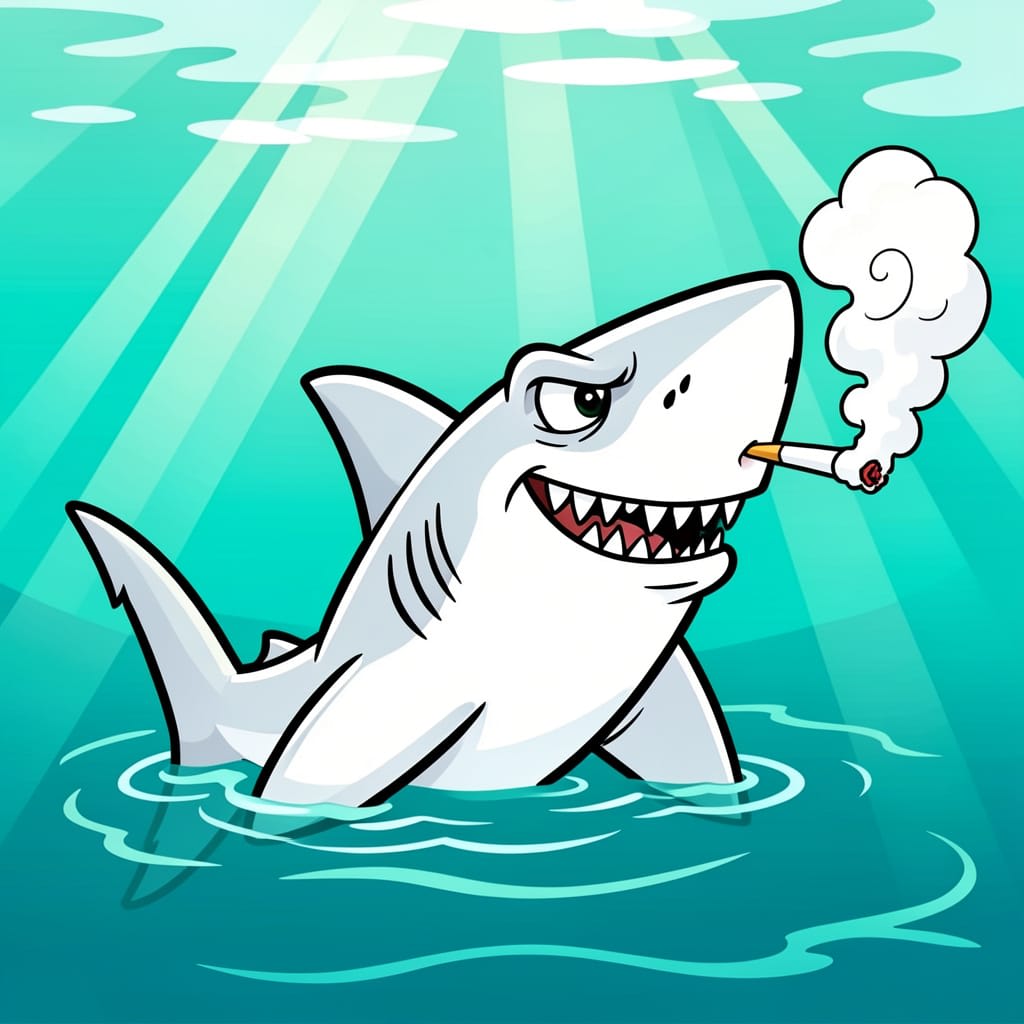
Sharks are amazing creatures. I have a lot of respect for them. They are the apex predators of the sea and control the food chain.
I wrote about my encounter with tiger sharks and bull sharks a few months ago. You can read the story here if you're interested.
I was so close to these monsters I could have touched them (not that I tried!).
They get a bad rap in my mind. Their biggest threat is from humans. It seems like every time there is a dark attack, we go on the hunt for the culprit and try to kill them.
It is their ocean - they were there first!!!!
We are visiting their domain. Sharks are sometimes killed after they attack humans. This is done to lessen the perceived threat. This process, called culling, happens for political reasons. It aims to manage public fear and stop possible repeat attacks by a "rogue" shark.
Culling doesn’t reduce the risk of future attacks, based on scientific evidence. The idea that rogue sharks get used to eating humans is debated. It also lacks scientific support. Why would sharks suddenly choose humans over the fish they’ve eaten for years?
Reducing shark numbers doesn't really lower the risk of rare, accidental shark bites. You’re more likely to win an Olympic medal, get struck by lightning, or be killed by a falling coconut than to die from a shark attack.
Most shark attacks are primarily cases of mistaken identity or exploratory behaviour. For example, a shark might mistake a person on a surfboard for a sea turtle, or a swimmer for a sea otter. Sharks don’t have hands, so they use their mouths to explore things. This can sometimes lead to a bite.
A bit like dogs, they bite everything because they can’t pick things up. We complicate things, which I don't get, by putting surfers in grey or black wetsuits. What colour are seals and turtles on the surface against the daylight? – grey or black.
Shark populations are declining. Over 100 million sharks are killed each year, mostly for their fins. Overfishing has caused a 70% drop in shark populations worldwide. About one-third of shark species are now at risk of extinction.
Worldwide, there are typically about 60 to 75 confirmed unprovoked shark attacks annually. Recent data shows 65 cases in 2025. Fatalities are rare, usually averaging around 5 to 10 per year. Last year saw a higher number: 12 unprovoked fatalities. When you consider how many people go in the water every year, this is small.
BUT
Some research is now showing that sharks are testing positive for drugs. Scientists are exploring how drugs might affect shark behaviour. We know the impact drugs have on humans, so the question arises: could it be similar for sharks?
Of course, they don’t go and line up behind some shady dealer to buy a hit of drugs; they get them from the water.
Humans are polluting the waters with cocaine, painkillers, and other prescription drugs. About one-third of the sharks tested had drugs in their blood.
Research found up to 20 different drugs. These include antibiotics, antidepressants, and opioids. Caribbean reef sharks, nurse sharks, and lemon sharks all showed traces of at least one drug. The drugs found include cocaine, caffeine, diclofenac, and acetaminophen.
These studies were associated with the rise in drug trafficking. Illicit drugs are often moved using cocaine subs and other watercraft.
Sharks in the Bahamas and Miami, areas tied to illegal drug smuggling, altered their metabolism. They swam erratically and seemed more anxious.
Drug traffickers often abandon large amounts of drugs to avoid capture. Authorities also dispose of seized drugs regularly each year.
This year, French authorities intercepted a ship and disposed of 4.8 tonnes of cocaine at sea. Another tonne from the same vessel later appeared in Australian waters.
Maybe that is why shark attacks have been up this year in Australia (😊😊)
Till next time,
Calvin
About the Creator
Calvin London
I write fiction, non-fiction and poetry about all things weird and wonderful, past and present. Life is full of different things to spark your imagination. All you have to do is embrace it - join me on my journey.
Enjoyed the story? Support the Creator.
Subscribe for free to receive all their stories in your feed. You could also become a paid subscriber, letting them know you appreciate their work.
Comments
There are no comments for this story
Be the first to respond and start the conversation.