
The Role of Thermochemical Resource Recovery in Industrial Ecosystems
Advancing Sustainable Manufacturing
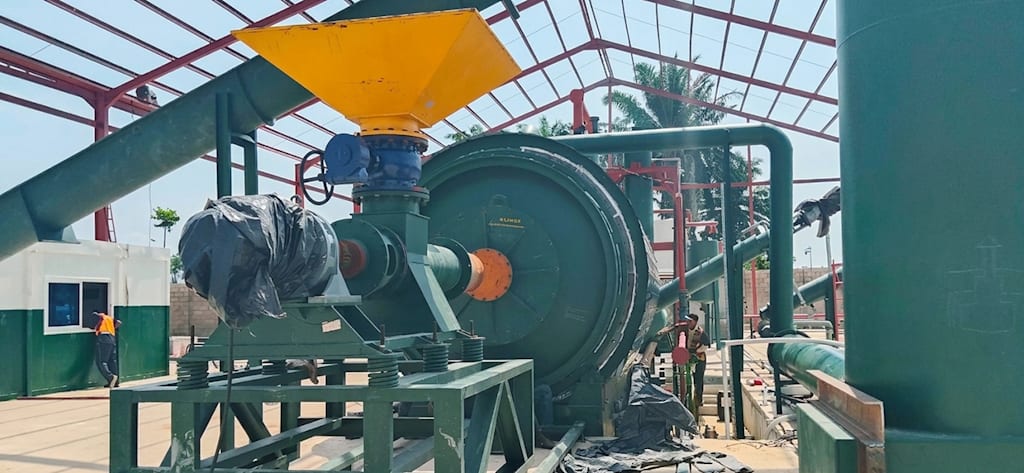
Sustainable manufacturing has evolved into a core strategic priority for modern industries striving to decouple economic growth from environmental degradation. As global regulatory frameworks tighten and resource scarcity intensifies, industrial sectors must adopt advanced technological solutions that optimize operational efficiency while minimizing ecological footprints. Among the frontier solutions driving this ecological transition, the thermochemical processing of hazardous hydrocarbons stands out as a highly effective methodology. Industrial waste streams containing complex hydrocarbon matrices—typically generated during petroleum extraction, refining, storage, and logistical operations—historically present immense disposal challenges due to their toxicity and persistent environmental risks. By implementing controlled thermal degradation pathways, modern manufacturing facilities can transform these high-liability waste streams into valuable, production-ready resources, directly supporting the transition to a circular and regenerative industrial economy.
Closed-Loop Resource Extraction and Waste Minimization
The primary contribution of advanced thermochemical conversion to industrial sustainability lies in its capacity to convert hazardous, multiphase waste mixtures into high-value secondary raw materials. These carbon-dense industrial residues typically consist of complex emulsions containing variable ratios of heavy hydrocarbons, water, and inorganic particulate matter. Conventional disposal paradigms, such as deep-well injection, landfarming, or open incineration, are increasingly unviable as they result in permanent resource loss, high carbon emissions, and severe soil contamination.
To safely recover these hidden resources, processing facilities can utilize an oil sludge pyrolysis plant. This specialized technology subjects the hazardous hydrocarbon matrix to high temperatures under strictly controlled, oxygen-depleted conditions. Deprived of oxygen, the organic compounds do not burn; instead, they undergo thermal cracking, breaking down into distinct, highly useful fractions: high-grade pyrolytic oil, combustible synthetic gas (syngas), and a stable solid residue. The recovered fluid fraction can be immediately reintegrated into industrial value chains as an alternative fuel or a chemical feedstock, while the non-condensable gas fraction is redirected to fuel the thermal process itself. This internal material recirculation significantly decreases an enterprise’s dependence on virgin fossil resources, lowering the net material intensity of the manufacturing lifecycle.
Mitigation of Industrial Environmental Liabilities
Responsible stewardship of hazardous waste streams is an essential indicator of corporate sustainability. Hydrocarbon-rich industrial residues present severe environmental liabilities; if left untreated or stored in unlined pits, they pose a continuous threat of volatile organic compound (VOC) emissions into the atmosphere, alongside the risk of heavy fraction leaching into local soil and groundwater tables. Advanced thermochemical conversion provides a fully contained, highly engineered treatment vector that eliminates these environmental hazards at the source.
Modern closed-loop processing facilities are engineered with sophisticated multi-stage sealing mechanisms, automated continuous feeding systems, and integrated emissions-abatement units. These technologies ensure that the entire thermal cracking process occurs within a completely isolated environment, eliminating the risk of fugitive emissions or secondary pollution. By neutralizing toxic organic compounds and stabilizing heavy metals within the solid byproduct, manufacturers can drastically reduce their long-term environmental remediation liabilities, safeguard local ecosystems, and elevate their corporate environmental performance metrics.
Thermal Integration and Energy Self-Sufficiency
Energy efficiency is a cornerstone of sustainable industrial engineering. Advanced thermochemical treatment facilities are designed around complex thermal integration architectures that maximize internal energy cascading and recovery. Rather than operating as energy-intensive sinks that rely constantly on external fossil fuels or electrical grids, these systems capture and utilize the thermodynamic energy generated during the cracking process.
During operation, the non-condensable synthetic gas produced from the hydrocarbon breakdown is scrubbed and routed directly back into the reactor’s combustion chambers. This self-sustaining thermal loop can supply the vast majority of the heat required to maintain the high-temperature cracking environment. Furthermore, advanced heat-exchanger networks capture residual thermal energy from the exhaust streams to pre-heat incoming feedstocks or generate industrial steam. This high degree of thermodynamic efficiency drastically minimizes the carbon intensity of the waste treatment process, yielding a net reduction in greenhouse gas emissions compared to traditional disposal methods.
Empowering Circular Economy Architectures
Transitioning from a traditional linear "take-make-dispose" industrial model to a resilient circular economy demands technologies capable of cross-industry material upgrading. Thermochemical processing acts as a critical enabler of this transition by successfully converting high-liability operational waste into useful secondary commodities.
The outputs of this process find immediate utility across various sectors of the industrial economy:
- Liquid Hydrocarbons: Transformed into localized industrial fuels or refined into specialized chemical additives.
- Combustible Gases: Retained within the plant facility to offset primary electrical and thermal grid reliance.
- Inorganic Solid Residues: Conditioned and evaluated for utilization as functional fillers in construction materials, asphalt formulations, or concrete production.
By extracting tangible economic and material value from streams that would otherwise demand costly, long-term security disposal, this technology fosters a industrial symbiosis where one sector's waste serves as another's raw material.
Streamlining Regulatory Compliance and Operational Transparency
The global regulatory landscape governing industrial waste management and chemical safety is shifting rapidly toward strict accountability. Manufacturing enterprises face mounting pressure from international bodies and local governments to provide absolute transparency regarding their carbon footprints, waste-handling workflows, and pollutant emissions.
The integration of advanced closed-loop thermochemical systems equips companies with the infrastructure needed to navigate these strict regulatory landscapes. Modern industrial systems are outfitted with digital monitoring suites, automated process controls, and continuous emissions monitoring systems (CEMS). These digital architectures provide real-time telemetry on operating pressures, internal reactor temperatures, and flue gas compositions. The resulting data streams enable continuous operational optimization, generate verifiable and auditable environmental records, and significantly simplify compliance reporting for environmental oversight agencies.
Strategic Competitiveness and Industrial Longevity
Ultimately, sustainable manufacturing is no longer just an ethical obligation or a compliance box to check—it has become a core driver of long-term global competitiveness. Industrial organizations that proactively invest in innovative waste-to-resource technologies achieve a distinct competitive advantage by insulating themselves from volatile waste disposal costs and reducing their exposure to carbon taxes.
By implementing advanced thermochemical resource recovery, modern enterprises can simultaneously lower operational overhead, protect themselves from resource scarcity, and strengthen their corporate sustainability profiles. As the global industrial sector accelerates its transition toward deep decarbonization and absolute resource optimization, advanced thermochemical conversion methodologies will undoubtedly serve as a foundational pillar of future-proof, responsible manufacturing.
About the Creator
Enjoyed the story? Support the Creator.
Subscribe for free to receive all their stories in your feed.
Comments
There are no comments for this story
Be the first to respond and start the conversation.