
The Rise of Sustainable Packaging in American Retail: Where the Market Stand
Sustainable Packaging

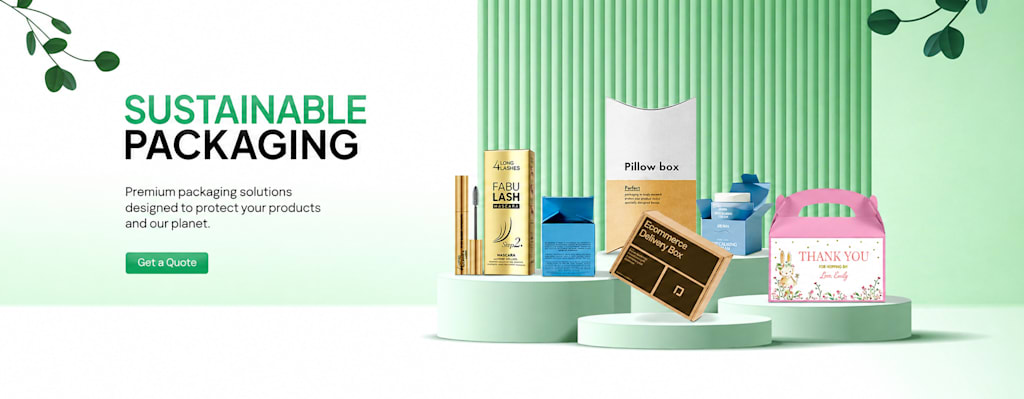
A frank assessment of where US sustainable packaging adoption actually is, what's driving it, where the gaps remain, and what smart brands are doing about all of it.
$189B
The US sustainable packaging market by 2028
68%
US consumers prefer sustainable packaging brands
5
States with active EPR packaging laws
The sustainable packaging conversation in American retail has been happening for a long time. What is different in 2026 is that it has moved from conversation to consequence. Brands that haven't adapted are encountering retailer sourcing requirements they cannot meet, state regulations they are not compliant with, and consumer expectations they are visibly failing to meet. The window for treating sustainability as a future consideration has closed in most categories.
This is not a story of uniform progress. American sustainable packaging adoption is unevenly advanced in some sectors, lagging in others, and complicated throughout by a regulatory landscape that varies significantly by state. This article by sustainable packaging brand Paknify provides an honest market assessment rather than a promotional narrative.
Where Adoption Is Genuinely Advanced
The categories leading US sustainable packaging adoption share a common profile: premium pricing that absorbs the incremental cost of sustainable materials, consumer bases that are strongly sustainability-motivated, and retail channel partners (particularly Whole Foods, Target, and major natural retailers) that have imposed supplier packaging requirements.
Natural and organic food brands have led the transition, with the majority of the category now using certified recyclable or compostable primary packaging. Premium beauty and personal care have followed closely, driven partly by consumer demand and partly by the brand identity alignment between premium pricing and sustainability positioning. E-commerce-native brands, particularly in the direct-to-consumer segment, have moved faster than comparable retail brands because their supply chains are more agile and their consumer base is more digitally engaged with sustainability messaging.
The corrugated success story
Corrugated cardboard packaging in the US has achieved recycling rates above 90% — one of the highest of any packaging material in any country. This success is the result of decades of infrastructure investment by the corrugated industry, combined with consumer familiarity with cardboard recycling. For e-commerce brands, the shift to corrugated-primary packaging systems (replacing mixed-material mailers and polybags) is both achievable and well-supported by existing recycling infrastructure.
Where Significant Gaps Remain
Flexible plastic packaging pouches, films, shrink wrap, and polybags remain the most significant sustainability challenge in US retail packaging. Despite representing approximately 40% of packaging by unit volume in consumer goods, flexible plastics have a US recycling rate below 10%.
The technical challenges of sorting and reprocessing mixed flexible plastics at scale have not been solved at the infrastructure level, meaning most flexible plastic packaging that carries recyclable claims is not, in practice, being recycled.
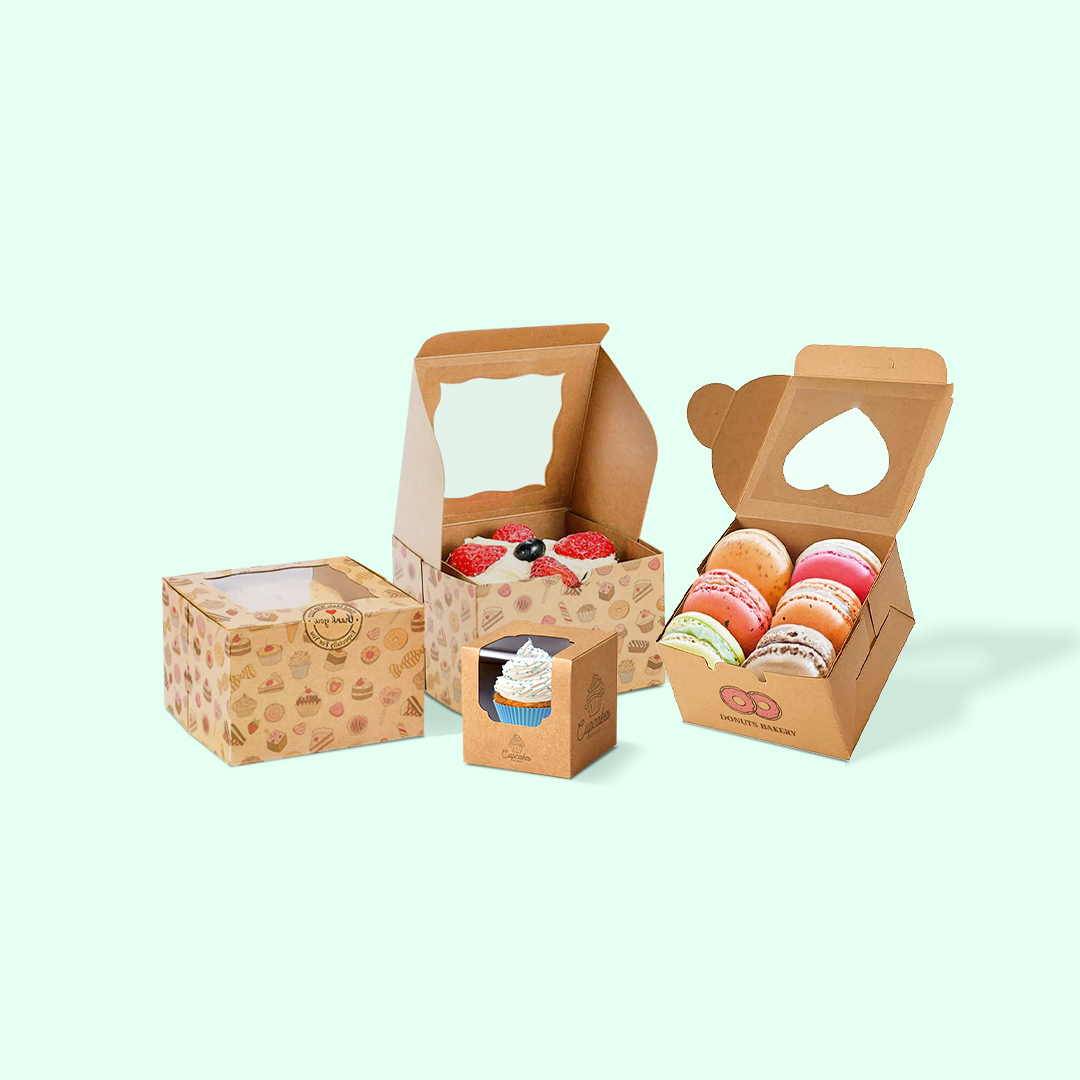
A recyclable label on flexible plastic packaging in the US is largely aspirational in 2026. The infrastructure to make it real does not yet exist at a meaningful scale.
Food service packaging cups, containers, clamshells, and cutlery are another category where adoption has lagged behind stated commitments. Compostable food service packaging requires access to industrial composting facilities that are not available to the majority of US consumers, meaning compostable claims frequently translate to landfill outcomes rather than the environmental benefit implied.
What Is Driving Change
Retailer requirements
The most powerful force driving sustainable packaging adoption in American retail is not consumer pressure; it is retailer sourcing policy. Walmart's Project Gigaton, Target's sustainability commitments, and Costco's packaging standards have created hard requirements for national brands that want shelf access. A brand that cannot demonstrate progress toward sustainable packaging goals risks losing distribution relationships that are extraordinarily difficult to replace.
State EPR legislation
California, Colorado, Oregon, Maine, and Minnesota have all enacted extended producer responsibility legislation that makes brands financially responsible for the end-of-life management of their packaging. As EPR fees are calculated based on material type and recyclability, they create direct economic incentives to redesign packaging toward more recyclable materials, not as a sustainability gesture, but as a cost management imperative.
Consumer willingness to pay
Research consistently shows that US consumers in premium and mid-premium categories will pay a modest premium for sustainably packaged products, typically 5–10% above comparable alternatives. This premium is sufficient to offset the cost of sustainable material upgrades for most brands in these segments, removing the economic objection to transition that historically slowed adoption.
What Smart Brands Are Doing
The brands navigating this landscape most effectively share several characteristics. They have completed packaging material audits that give them accurate data on their current sustainability profile rather than estimates or aspirations. They have developed roadmaps with concrete milestones rather than open-ended commitments.

They communicate progress honestly, including acknowledging where full transition is not yet technically or economically feasible. And they work closely with packaging suppliers who can provide certified materials and the documentation to support compliance and retailer requirements.
The brands that are struggling tend to have made broad sustainability commitments without the packaging infrastructure to support them. When retailer audits or regulatory enquiries require documentation of material certifications, recycled content percentages, or EPR registrations, the gap between commitment and capability becomes very visible very quickly.
The Outlook
The trajectory of US sustainable packaging is clearly toward higher standards, broader regulatory coverage, and stronger retailer requirements. The brands that build genuine capability now, with certified materials, compliant claims, EPR registrations, and supplier relationships that can support ongoing improvement, are building infrastructure that will be required by everyone eventually, but is a competitive differentiator today. In a market where sustainability is increasingly table stakes rather than premium positioning, that differentiation is worth taking seriously.
About the Creator
Keith Hymmen
With 5 years of experience, I specialize in business development, analytics, and data-driven strategies that drive growth and expand brand reach. I focus on optimizing customer acquisition and performance to deliver impactful results.
Enjoyed the story? Support the Creator.
Subscribe for free to receive all their stories in your feed.
Comments
There are no comments for this story
Be the first to respond and start the conversation.