
The Rise of Renewable Energy: A Path Toward a Sustainable Future
How Renewable Energy Sources are Transforming the Global Energy Landscape
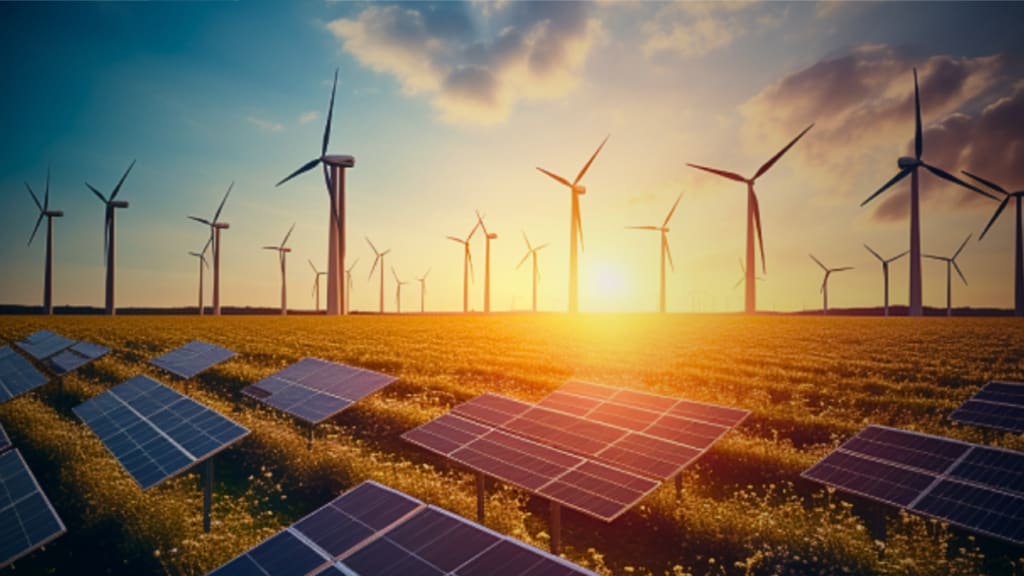
The world is undergoing a profound transformation in how we produce and consume energy. As concerns about climate change and environmental degradation continue to mount, there has been a growing shift toward renewable energy sources. These sources, including solar, wind, hydroelectric, and geothermal energy, are increasingly being seen as the key to a sustainable and environmentally friendly future.
Renewable energy has come a long way in recent years. Advances in technology, coupled with a growing awareness of the need for sustainable practices, have led to a significant increase in the adoption of renewable energy sources worldwide. Solar energy, in particular, has seen tremendous growth. Photovoltaic (PV) technology, which converts sunlight directly into electricity, has become more efficient and cost-effective, making it accessible to a broader range of consumers. The declining costs of solar panels have led to a surge in installations, from residential rooftops to massive solar farms.
Wind energy is another success story in the realm of renewables. Wind turbines, which convert the kinetic energy of the wind into electricity, have become a common sight in many parts of the world. Countries like Denmark and Germany have invested heavily in wind power, leading to a significant portion of their electricity being generated from this clean and renewable source. Offshore wind farms, in particular, have garnered attention for their potential to generate large amounts of energy without taking up valuable land space.
Hydroelectric power, the most established form of renewable energy, continues to play a vital role in the global energy mix. By harnessing the power of flowing water, hydroelectric plants generate electricity with minimal environmental impact. While large-scale hydroelectric projects have been around for decades, there is growing interest in small-scale hydro projects that can provide power to remote communities without the need for extensive infrastructure.
Geothermal energy, which taps into the Earth's internal heat, is another renewable energy source that holds great promise. Countries with significant geothermal resources, such as Iceland and New Zealand, have already demonstrated the potential of this energy source to provide a stable and reliable supply of electricity and heating. The technology is also being explored in other parts of the world, with the potential to provide clean energy in regions where other renewable sources may not be as viable.
One of the most significant advantages of renewable energy is its potential to reduce greenhouse gas emissions. Unlike fossil fuels, which release large amounts of carbon dioxide and other pollutants when burned, renewable energy sources produce little to no emissions. This makes them an essential tool in the fight against climate change. The transition to renewable energy is crucial for meeting global climate goals, such as the targets set by the Paris Agreement, which aims to limit global warming to well below 2 degrees Celsius above pre-industrial levels.
The economic benefits of renewable energy are also becoming increasingly apparent. As the cost of renewable technologies continues to decline, they are becoming more competitive with traditional fossil fuels. This has led to a surge in investment in renewable energy projects, creating jobs and driving economic growth in many regions. According to the International Renewable Energy Agency (IRENA), the renewable energy sector employed 12 million people worldwide in 2020, a number that is expected to grow as the industry continues to expand.
Despite these positive developments, the transition to renewable energy is not without its challenges. One of the most significant hurdles is the intermittency of some renewable energy sources. Solar and wind power, for example, are dependent on weather conditions, which can be unpredictable. This has led to concerns about the reliability of these energy sources, particularly in regions where the weather is highly variable. To address this issue, researchers and engineers are working on developing better energy storage solutions, such as advanced battery technologies, that can store excess energy generated during periods of high production and release it when demand is higher.
Another challenge is the need for significant infrastructure investments to support the widespread adoption of renewable energy. This includes upgrading power grids to handle the variability of renewable energy sources, as well as building new transmission lines to connect renewable energy projects to consumers. These investments can be costly, and there is often resistance from communities concerned about the impact of new infrastructure on their local environment.
In conclusion, the rise of renewable energy represents a critical step toward a more sustainable and environmentally friendly future. While there are challenges to overcome, the benefits of transitioning to renewable energy far outweigh the drawbacks. By continuing to invest in renewable technologies, improving energy storage solutions, and modernizing infrastructure, we can pave the way for a future where clean, renewable energy is the norm rather than the exception. As the world continues to grapple with the impacts of climate change, the importance of renewable energy cannot be overstated. It is not just a solution for the future; it is a necessity for the present.
About the Creator
Enjoyed the story? Support the Creator.
Subscribe for free to receive all their stories in your feed.
Comments
There are no comments for this story
Be the first to respond and start the conversation.