
The Renter’s Hurricane Checklist: What You Need to Do Before the Storm Hits
Hurricane Preparedness
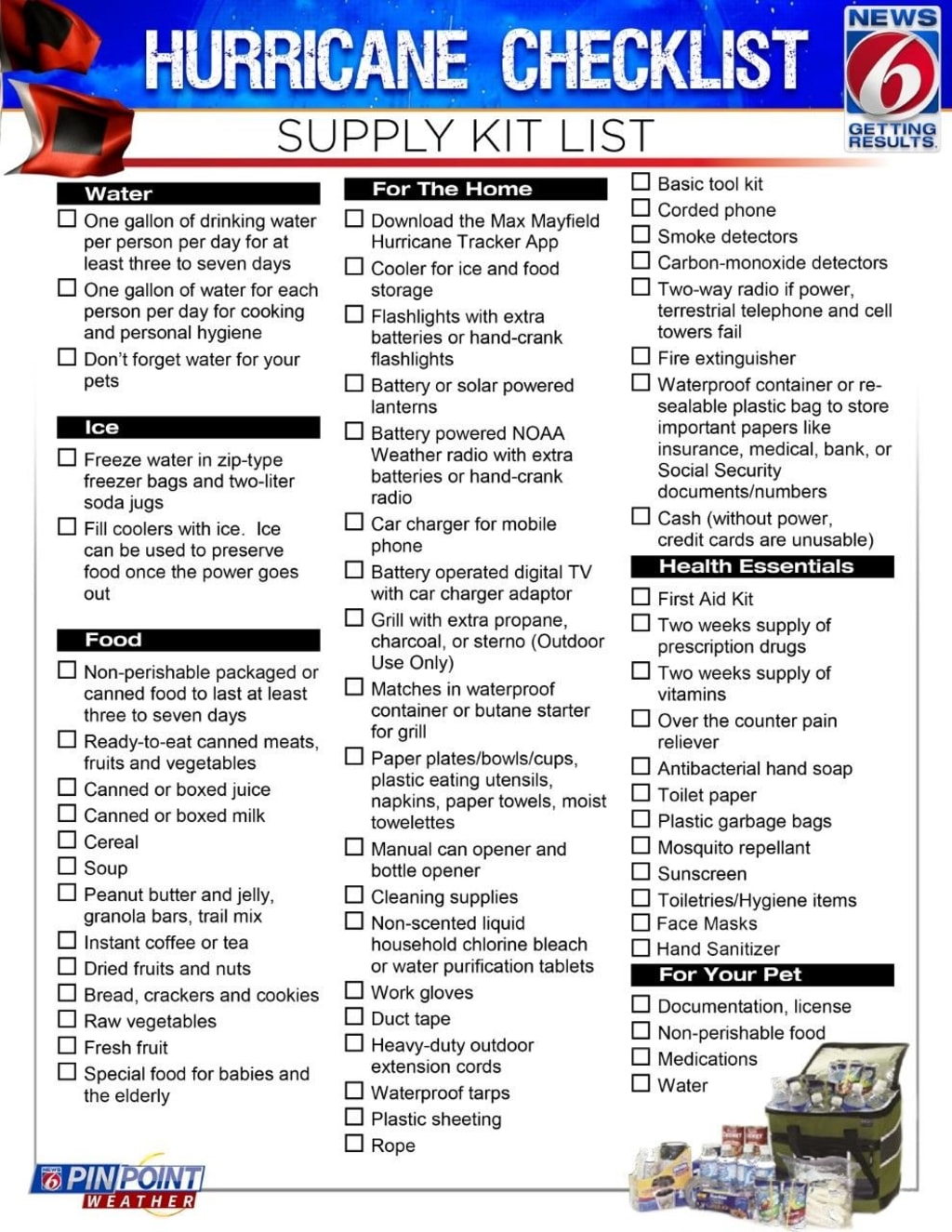

Hey there, fellow renters. Hurricane season is approaching, and if you wonder how to prepare for a storm, you’re not alone. Can you expect your landlord to cover replacing piles of ruined stuff? And what, exactly, should you even do?
Picture this: strong winds are shaking the exterior of your house/apartment, raindrops patter against your windows, and you’re worried about what to do with your valuable items. Just because you’re a renter doesn’t mean you have no control over a hurricane. With a little preparation, it’s possible to stay calm in the harshest storm and keep your home/apartment and possessions safe.
Okay. Let’s get started on your hurricane checklist. If you stick around, you’ll know exactly what to do when that storm comes barreling into town! This guide will walk you through each step so you don’t get caught with your pants down.
1. Talk to Your Landlord
Before anything else, contact your landlord or property manager. Ask them if your building has a hurricane preparedness plan and, if so, exactly what it is. Chances are there might be a protocol for securing the building or special advice for renters. There might be guidelines on what you should do if your items are damaged in the storm, or other ‘inside baseball’ rules for renters – for example, protocols for removing shutters or access to the roof where they are installed.
*Objection Handling: But what if my landlord doesn’t reply?’ If you get no reply to your call (or email), don’t stress. Just make sure you have a record of your request, and continue to prepare to mitigate.
2. Prepare an Emergency Kit
During a hurricane, your emergency kit is your lifesaver. You should include the following:
- Water and nonperishable food for a minimum of three days
- Batteries and a flashlight (or a battery-powered lantern)
- First aid supplies and necessary prescription drugs
- Vital records (copies of identification, insurance paperwork, lease agreement)
- Extra cash along with a portable phone charger
*Open Loop: Unsure of how to decide on the appropriate supplies? Stay tuned as we break down the essentials for you in our upcoming article!
Click HERE to See the Top Essential Items for Hurricane Prep
3. Safeguard Your Belongings
Planning ahead is the first step in safeguarding your possessions:
- Elevate important things: Shift anything off the ground and away from windows. If at all possible, think about keeping them in waterproof containers.
- Protect electronics: Use plastic bags or waterproof covers if you are unable to relocate them.
- Keep an inventory log: Take pictures of valuable belongings for insurance purposes.
*Objections Handling: "How will I know I have enough room to move everything?" Make sure to give high-value or irreplaceable items the best protection available.
4. Establish a Plan for Communication
Choose a communication plan with your loved ones and friends. Ensure that everyone is aware of:
- Your location during the storm
- Your plan for communicating (phone, text, or social media)
- What to do if you need assistance or are separated
*Open Loop: Are you unsure about how to draft a thorough communication strategy? we will include a template that's ideal for keeping everyone informed and secure.
5. Understand Your Rental Insurance
Make sure you understand the coverage provided by your renter's insurance policy by reviewing it. Standard insurance may provide coverage for personal property damage, but it is important to double check the details, particularly with relation to natural catastrophes.
Objections Handling: "I don't have renter's insurance!" Even if it's the last minute, think about obtaining insurance. In the event of an unforeseen circumstance, it can offer financial security and peace of mind.
6. Secure Your Property
You are unable to alter the property itself, however there are things you can do to lessen damage:
- Strengthen windows: If storm shutters or plywood are available, use them.
- Clean gutters: To prevent flooding, make sure water can flow freely.
- Examine outside items: Any outdoor furniture, pots, or decorations that can explode should be brought inside or secured.
*Open Loop: Uncertain about the best way to reinforce windows? In our upcoming piece, we'll offer a do-it-yourself window protection tutorial.
Be Prepared for A Hurriance with Our Must-Have Supplies
7. Make an Evacuation Plan
Prepare a plan for where you'll go in case you need to evacuate and be aware of your evacuation routes. Make sure your car is fully fueled or charged, and make sure you have a ready-to-go bag filled with necessities.
*Handling Objection: "What happens if I am unable to flee?" Have a fallback plan, such as visiting relatives or friends who reside in a safer region. Investigate any nearby emergency agencies or shelters.
In conclusion, renting does not leave you stranded during hurricane season. You can protect your possessions, guarantee effective communication, and have a well-thought-out plan in place by following these steps. You'll be equipped to take on the storm head-on with a little preparation.
Keep in mind that being prepared is your best line of protection against the unpredictability and be careful out there. Before, during, and after the storm, keep a look out for further safety advice and have this checklist close at hand.
About the Creator
Enjoyed the story? Support the Creator.
Subscribe for free to receive all their stories in your feed.
Comments
There are no comments for this story
Be the first to respond and start the conversation.