
The "pulse code" interwoven with geology and humanities
This article combines geological, feng shui, and cultural historical data to objectively explore the "dragon vein" characteristics of the Nevada Mountains
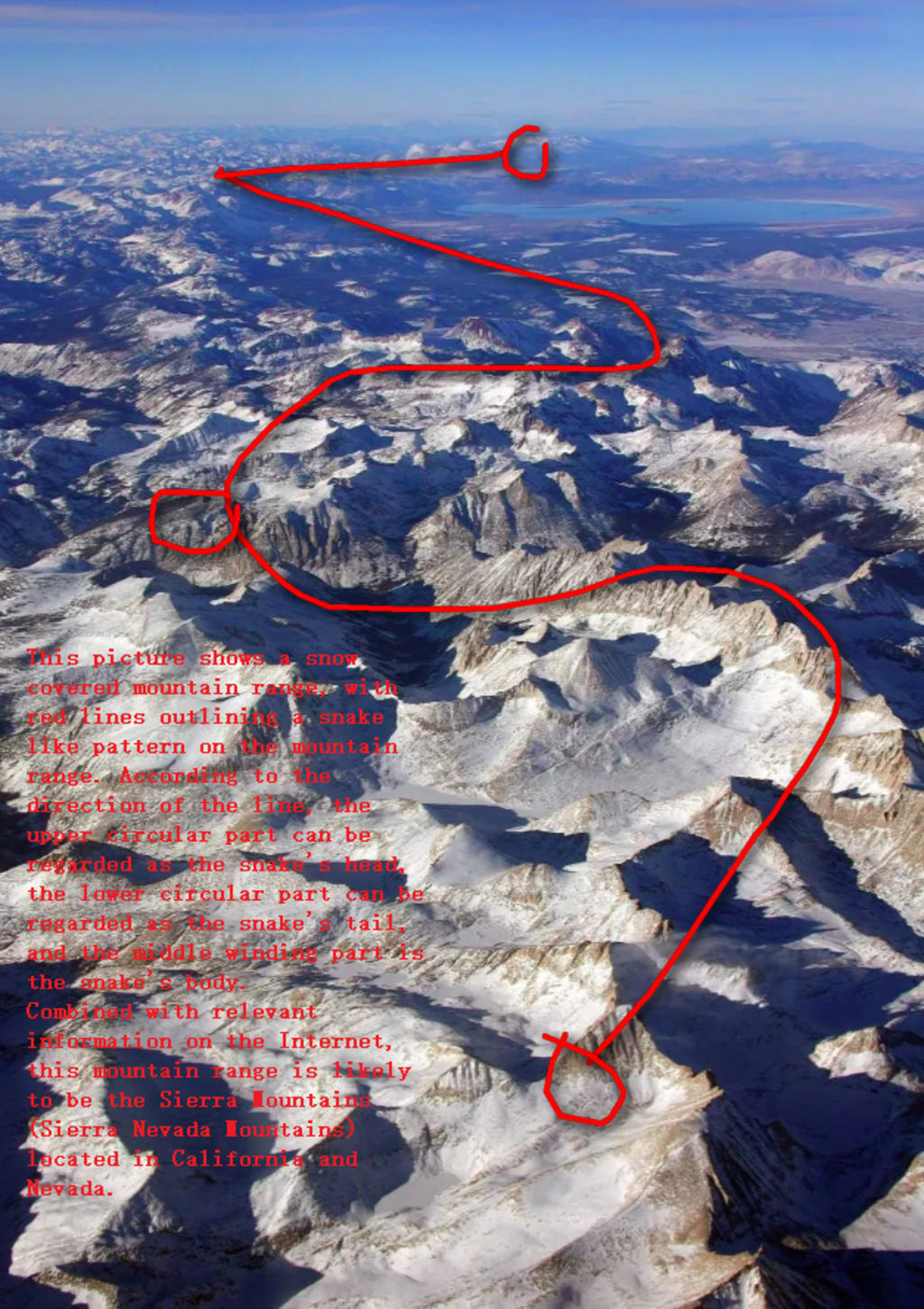
The Nevada Mountains, as an important component of the Cordillera Mountains in North America, possess a majestic mountain range and unique geographical features, which also have the potential pattern of a "dragon vein" in traditional feng shui theory. The following explores the "dragon vein" characteristics of the Nevada Mountains from three levels: geological structure, ecological hydrology, and human history.
1、 Geological structure: granite ridges and fault veins
Feng Shui emphasizes that "mountains are dragons and rocks are bones", and the formation process of the Nevada Mountains is in line with the rock structure. The mountain range was formed by mountain building movements from the Jurassic to the Cretaceous period, with the main body being giant granite block mountains. This geological structure is regarded as a solid symbol of the "dragon vein bone" in feng shui. The main ridge line extends 640 kilometers from north to south, with the highest peak, Mount Whitney (4418 meters), towering like a giant dragon, forming a "main dragon" posture. The significant asymmetry between the east and west slopes of the mountain range (steep east slope, gentle west slope) is in line with the Feng Shui pattern of "left green dragon, right white tiger" - the cliffs on the east slope are like a green dragon holding its head high, and the west slope gradually slopes like a white tiger lying down, forming a balanced pattern of yin and yang in the earth's veins.
2、 Ecological Hydrology: Glacier Snow Veins and Rain Shadow Effect
The "dragon gas" flow in the Nevada Mountains is closely related to water systems. The western slope faces the humid air currents of the Pacific Ocean, with abundant precipitation (760-800 millimeters per year), nurturing dense forests and glacier systems. The U-shaped valleys, cirques, and glacial lakes formed during the glacial period (such as Lake Tahoe, which is 1640 feet deep) are regarded as auspicious signs of "dragon energy storage" in feng shui, especially Lake Tahoe, as the deepest mountain lake in North America, has the characteristic of "still water gathering energy" that coincides with the feng shui theory of "water is the master of wealth". However, the rain shadow effect of the mountains led to drought and sparse vegetation on Dongpo, and this geographical feature of "yin-yang boundary" is often interpreted in feng shui as "qi vein division", implying differences in ecological and cultural development between the east and west sides.
3、 Cultural History: The Contradiction between the Gold Rush and Nature Conservation
The dragon vein pattern of the Nevada Mountains has been doubly confirmed by human activities: the California Gold Rush in the mid-19th century occurred in the "gold belt" at the western foot of the mountains, which was considered a "dragon vein rich" area due to its abundant gold deposits. Tens of thousands of miners flooded in in in a short period of time, promoting the economic and urbanization process of California. However, excessive resource extraction and water conservancy development (such as the inundation of natural landscapes by the Heqiheqi Reservoir) have also damaged the original ecological veins of the mountains, triggering modern environmental movements. Nowadays, the national park system in the Sierra Nevada Mountains, such as Yosemite and Sequoia National Parks, reflects humanity's renewed understanding of "dragon vein protection" by legislating to restrict development and maintain the flow of natural energy.
The analysis of the "dragon veins" in the Nevada Mountains essentially reflects the interaction between geological evolution and human activities. Its granite skeleton, glacial water system, and asymmetric ecological pattern not only conform to the principle of "storing wind and gathering gas" in feng shui theory, but also reveal the profound influence of natural geography on regional development. It is worth noting that there is a certain resonance between modern science's research on mountains (such as glacier melting monitoring) and Feng Shui's "qi meridian observation" - both focus on the "vitality" and sustainable development of mountains
About the Creator
Rivera Roberto
The concept of "unity of heaven and man" is a philosophical idea in China. Heaven refers to the sky, the Way of Heaven, and the Great Way of Nature. In Taoism, the concept of "heaven" often refers to nature and the Way of Heaven.
Enjoyed the story? Support the Creator.
Subscribe for free to receive all their stories in your feed.
Comments
There are no comments for this story
Be the first to respond and start the conversation.