
The Promise of Natural and Organic Farming: Revitalizing Agriculture in India
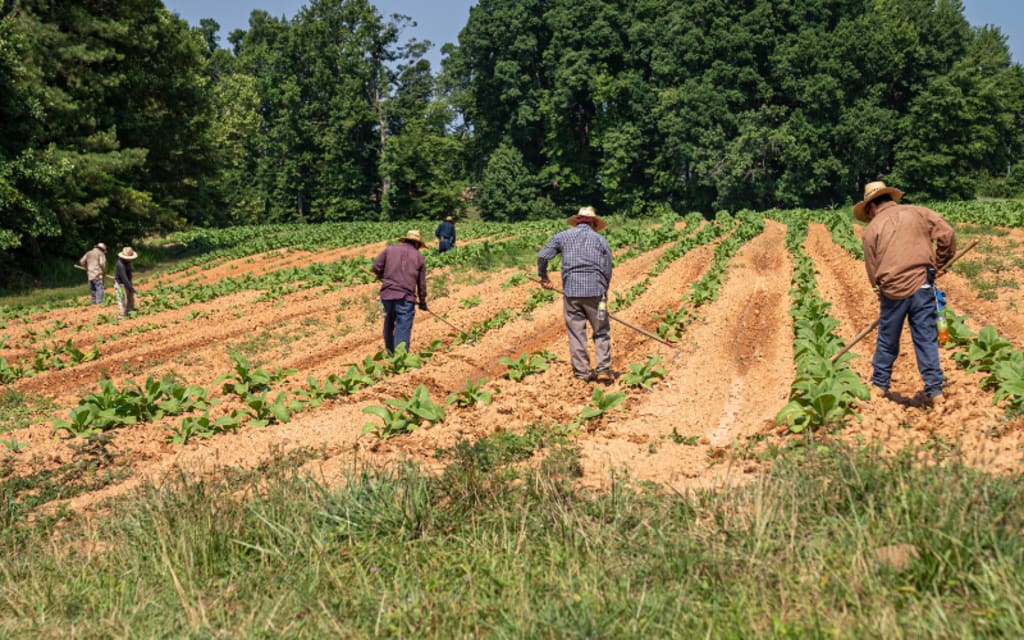
Natural and organic farming holds immense potential to address the challenges faced by Indian agriculture.

Introduction
Agriculture has always been the backbone of India's economy, providing sustenance and employment to a vast population. However, the modern agricultural practices, characterized by excessive use of synthetic chemicals and fertilizers, have posed serious threats to the environment, soil fertility, and human health. In this context, natural and organic farming emerges as a promising solution that ensures sustainable agriculture while preserving the long-term health of ecosystems. This article explores the significance of natural and organic farming in India and its scope in revitalizing the agricultural sector.
The Current State of Agriculture in India
India is predominantly an agrarian society, with a majority of its population engaged in farming. The Green Revolution of the 1960s and 1970s brought significant advancements in agricultural productivity through the use of high-yielding varieties, irrigation, and chemical inputs. However, the over-reliance on chemical fertilizers and pesticides has resulted in a host of problems, including soil degradation, water pollution, loss of biodiversity, and declining soil fertility.
Challenges and Impact of Conventional Farming
Conventional farming practices have led to numerous challenges for Indian farmers. Firstly, the continuous and indiscriminate use of synthetic inputs has depleted the soil's organic matter, reducing its ability to hold water and nutrients. Consequently, farmers have become dependent on expensive chemical inputs, leading to rising production costs and indebtedness.
Secondly, the excessive use of pesticides has harmed beneficial insects, pollinators, and organisms crucial for maintaining ecological balance. This has resulted in a decline in biodiversity and disrupted natural pest control mechanisms.
Scope of Natural and Organic Farming
Environmental Sustainability: Natural and organic farming emphasizes the use of ecologically sound practices that minimize environmental impacts. It promotes the use of organic manures, compost, crop rotation, and biological pest control methods. By avoiding synthetic chemicals, organic farming prevents water pollution, soil erosion, and depletion of natural resources, thereby preserving the delicate ecological balance.
Soil Health and Fertility: Organic farming focuses on nurturing soil health by enhancing organic matter content, improving soil structure, and promoting microbial activity. This improves soil fertility, water-holding capacity, and nutrient availability. Healthy soils reduce the need for external inputs and contribute to sustainable and resilient agricultural systems.
Human Health and Consumer Demand: With increasing awareness about the harmful effects of chemical residues in food, there is a growing demand for safe and healthy produce. Organic farming prohibits the use of synthetic pesticides, antibiotics, and genetically modified organisms, thereby ensuring the production of chemical-free and nutritious food. Organic products command premium prices in domestic and international markets, providing better income opportunities for farmers.
Economic Viability and Livelihood Security: Natural and organic farming has the potential to improve the economic viability of small and marginal farmers. By reducing input costs, minimizing risks associated with fluctuating market prices, and promoting value addition, organic farming offers better profitability. Moreover, the adoption of organic farming practices opens up opportunities for rural employment in the form of organic certification, marketing, and organic input production.
Government Initiatives and Support
Recognizing the importance of natural and organic farming, the Indian government has taken several initiatives to promote organic agriculture. The Pradhan Mantri Krishi Sinchayee Yojana, Paramparagat Krishi Vikas Yojana, and the National Program for Organic Production (NPOP) provide financial support, training, and certification assistance to farmers transitioning to organic practices. These measures aim to boost organic farming and make it financially viable for farmers across the country.
Some companies such as Agroniv are trying to change the bad situation of organic farming in India by providing Superior quality organic products.
Conclusion
Natural and organic farming holds immense potential to address the challenges faced by Indian agriculture. By adopting sustainable practices, it ensures the long-term health of ecosystems, improves soil fertility, and produces healthy food. The scope of natural and organic farming is vast, providing economic viability, livelihood security, and meeting the increasing consumer demand for chemical-free produce. With the right policy support and collective efforts, India can unlock the transformative power of natural and organic farming, ensuring a sustainable and prosperous future for its farmers and the nation as a whole.
About the Creator
agro niv
Agroniv is an Agriculture Bio-Technology company in India. established in the year 2018 with the goal of achieving a revolution in the Agricultural Sector by manufacturing and supplying superior-quality
Enjoyed the story? Support the Creator.
Subscribe for free to receive all their stories in your feed.
Comments
There are no comments for this story
Be the first to respond and start the conversation.