
The Point of No Return
We are quickly headed towards an uninhabitable planet.


Since the mid twentieth century, human activity has driven long-term shifts in global temperatures and weather patterns. This happens primarily through deforestation, the release of greenhouse gases, and the burning of fossil fuels. Gases released into the Earth's atmosphere act as a blanket, trapping these gases and warming the surface of the Earth. The world's most respected scientific institutions reached the same unanimous conclusion: human activity is the most prominent cause of global warming since the pre-industrial era. As of March 2026, every major global scientific institution has confirmed that climate change has reached the point of no return: when climate systems undergo changes that become impossible to reverse. ________________________________
Climate Change: The Statistics
`
In 2015, the Paris Agreement was signed by one hundred ninety six nations as an agreement to limit the rise of global surface temperatures. It gives a threshold of 1.5 degrees Celsius above pre-industrial levels: a threshold considered by scientists to be the boundary of manageable climate risk. As of 2026, this threshold has been exceeded in three consecutive years. According to The World Data, 2024 remains the hottest year in human history, with an average global surface temperature 1.60 degrees above pre-industrial levels. For the first time in human history, the three-year global temperature average exceeds 1.5 degrees.
Earlier this month, the United Nations confirmed that the planet will soon exceed this safe threshold of 1.5 degrees: introducing decades of rising sea levels, wildlife extinction, melting ice, and weather-related disasters. Between 1976 and 2024, mountain glaciers lost approximately 9.8 trillion tonnes of ice. Between 1992 and 2020, Greenland and Antarctica lost approximately 7.56 trillion tonnes of ice. Arctic temperatures warm up to four times faster than the rest of the world.
Between January and April 2026, wildfires burned more than one hundred fifty million hectares of land globally - a twenty percent increase from the previous record for the same period. Africa and Asia account for the majority of land burnt: with eighty five million hectares and forty four million hectares respectively. Wildfires are created through a combination of three factors: fuel, dry conditions, and ignition. Many begin due to climate change; however, many are triggered by factors such as lightning, power lines, or human negligence.
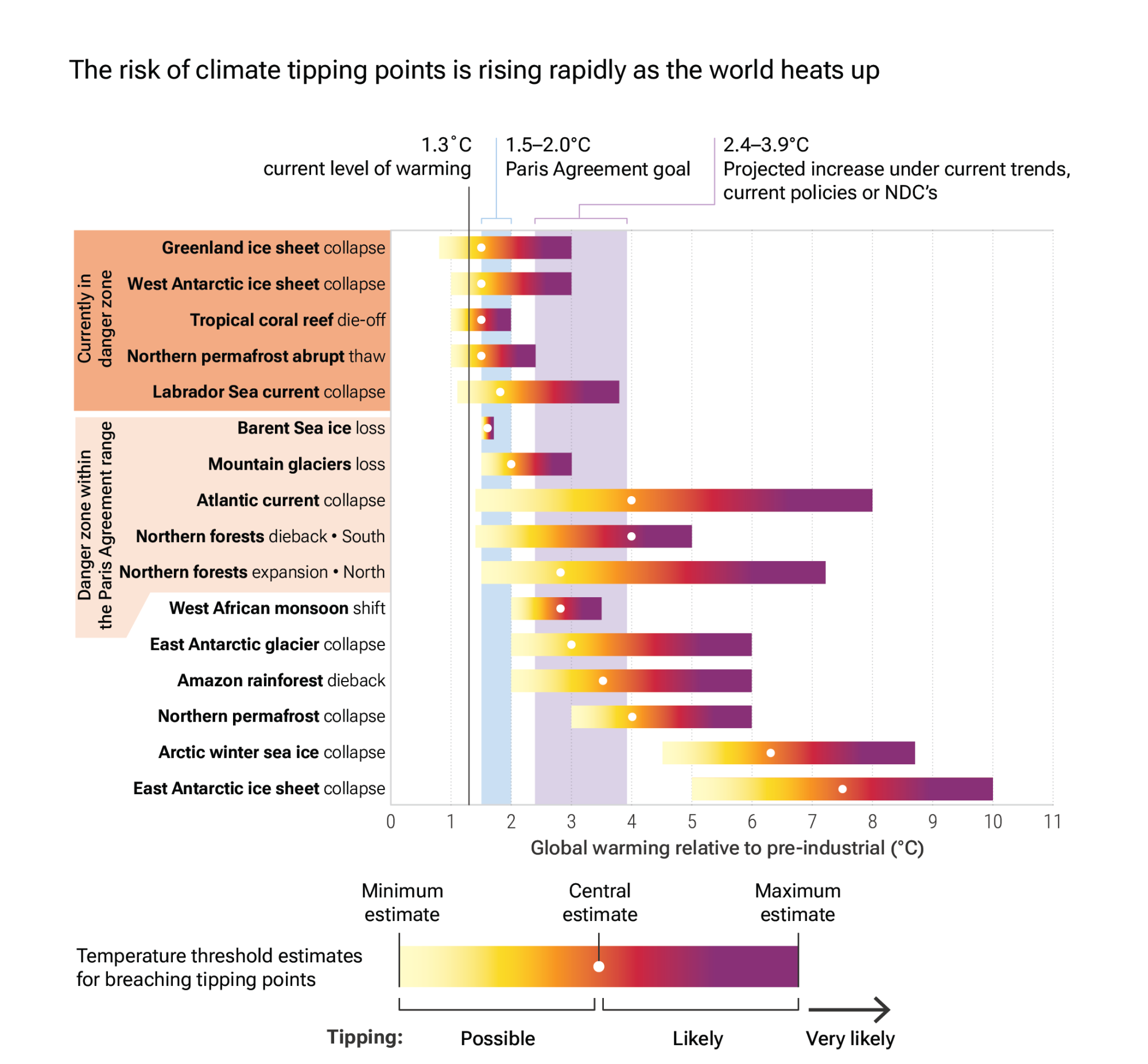
As global temperatures rise, so do the chances of tragic and irreversible changes to the Earth. According to studies done by the United Nations, just a two percent increase in the planet's temperature could kill every warm-water coral, and a three percent increase in temperature would lead to the collapse of Greenland and Antarctic ice sheets. To reverse damage done by global warming and prevent further breakdown of the planet, humans must overcome their obsession with fossil fuels. This, of course, is a responsibility held mostly by large factories and corporations: particularly manufacturing, transportation, and oil industries.
_______________________________
The Effects of Generative AI on Climate Change
In today's world, artificial intelligence is embedded into nearly every sector of daily life. While AI has the potential to advance scientific research and improve productivity, its unregulated use poses significant threats to the environment. Training AI models involves millions of repeated computations, using extraordinary amounts of electricity in order to improve the speed and efficiency of models. In 2023, data centres in the US consumed four percent of the country's electricity - and this number only increases each year, with the potential for data centres to consume twenty percent of global electricity use by 2035. The rapid expansion of artificial intelligence leads to the increase of water usage, emissions, and electronic waste.
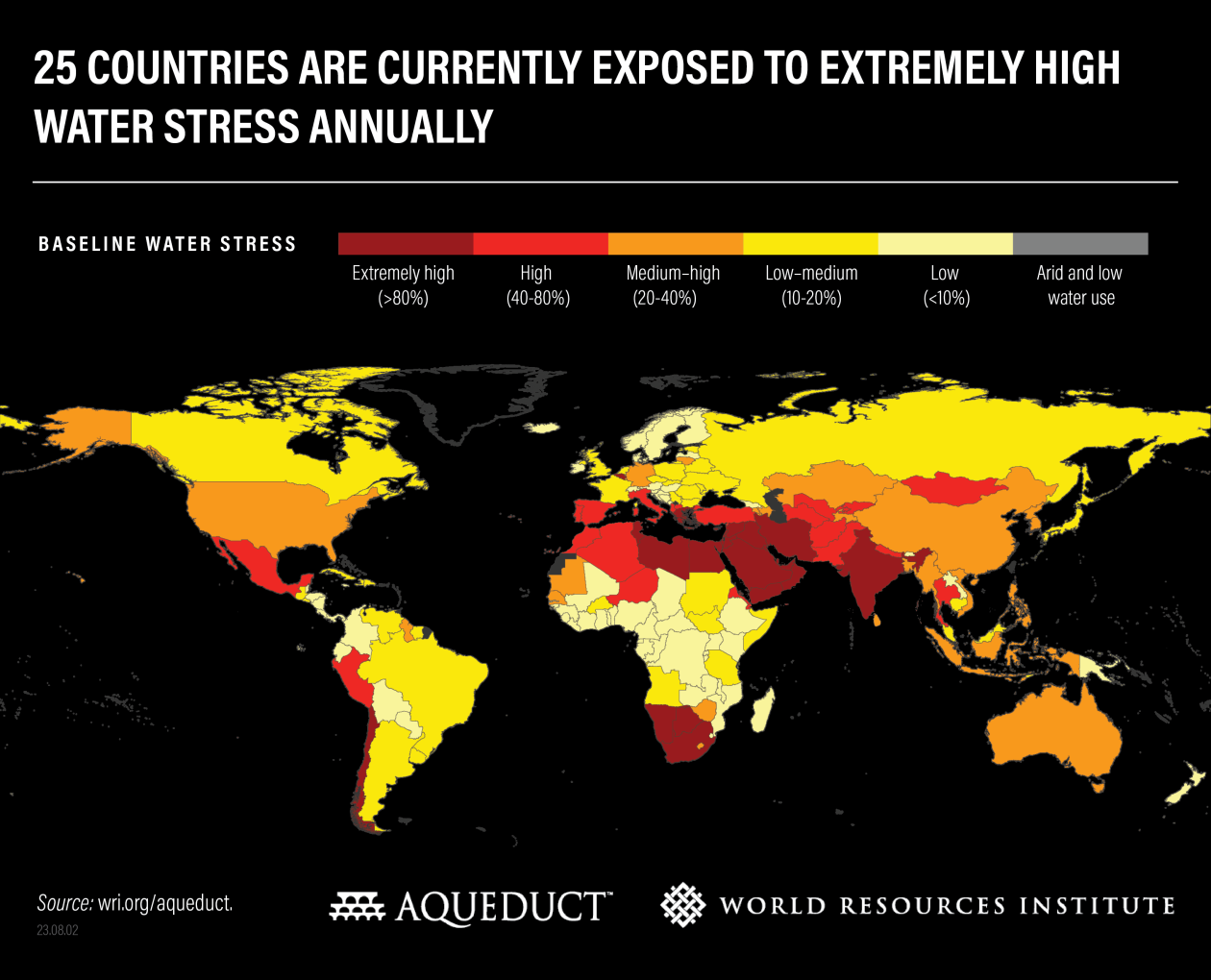
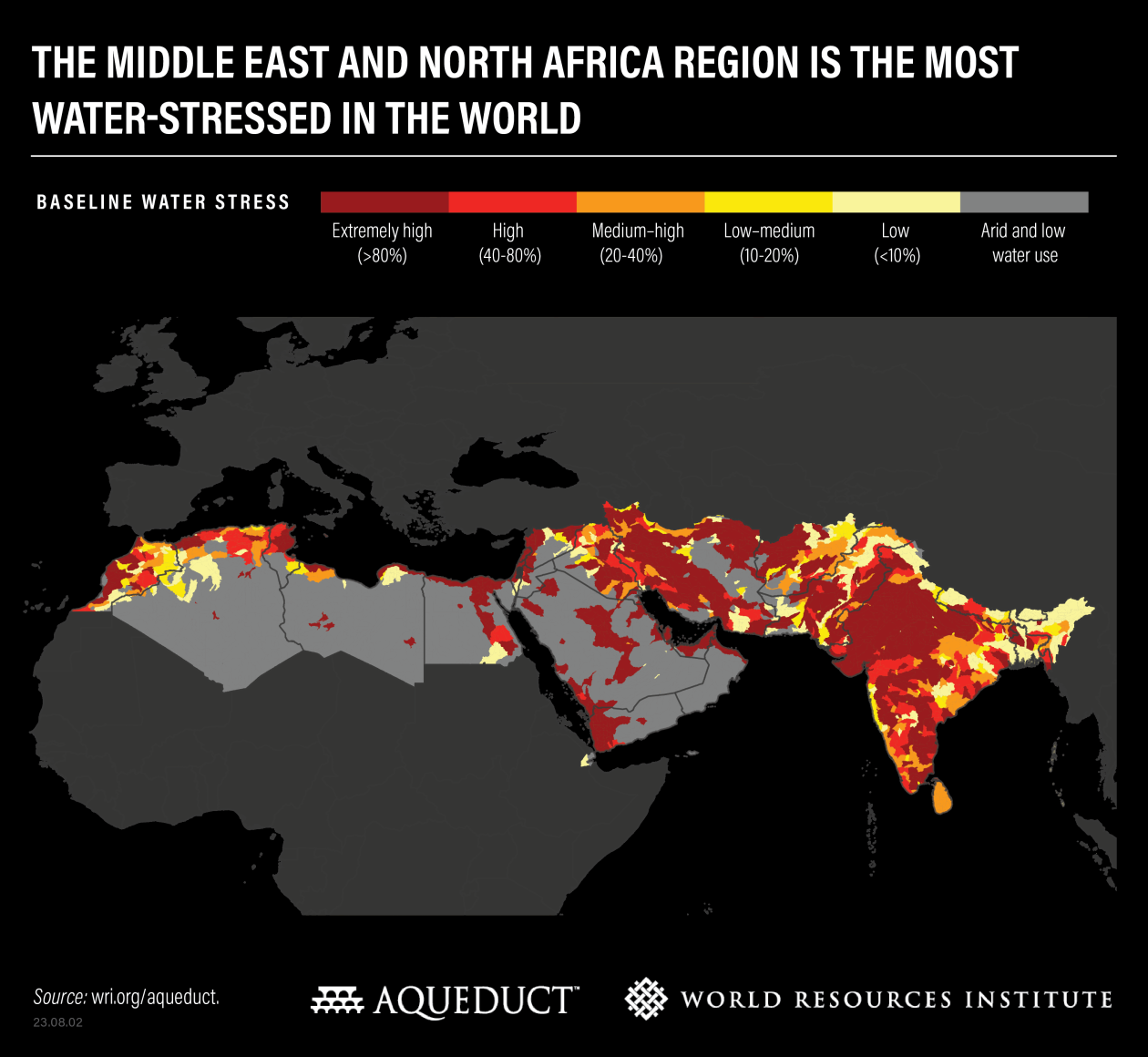
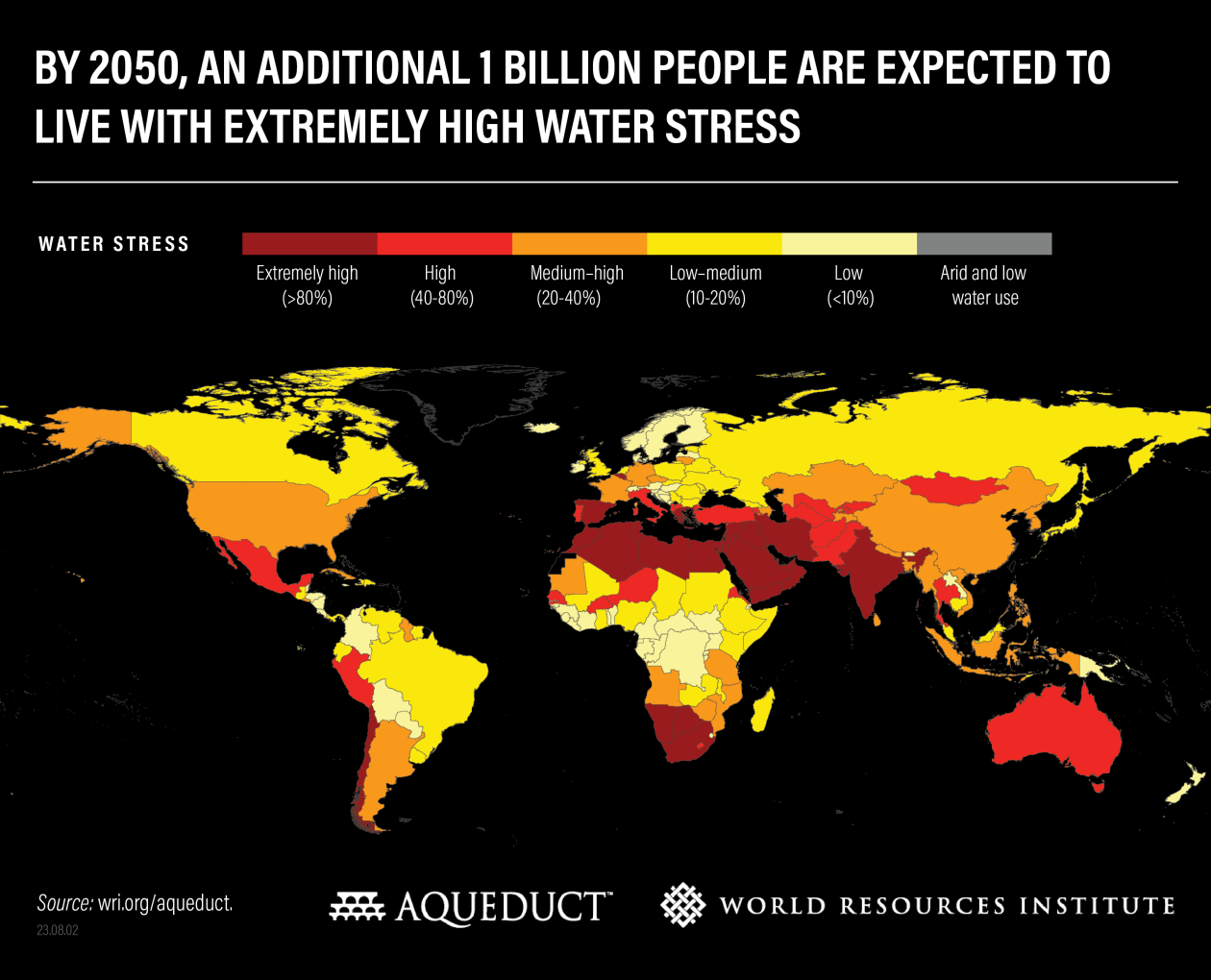
In addition to their high usage of electricity, AI models consume an extraordinary amount of fossil fuel-based electricity: contributing significantly to greenhouse gas emissions. Data centres contain advanced cooling systems in order to manage the heat generated by electrical equipment, leading to excessive water consumption. According to the World Resources Institute, approximately one quarter of the global population faces extremely high water stress or water scarcity. Water consumption by AI data centres greatly contributes to the stress of these regions.
Much electronic waste is generated by data centres as a result of the short lifespan of computing equipment. Damaged hardware is disposed of, and the manufacturing of new components requires extraction of rare minerals: depleting natural resources and contributing to environmental degradation. Without regulation of AI use, its expansion could lead to higher electricity bills, accelerate environmental harm, and further worsen climate change.
_______________________________
Small Ways to Make a Difference
• Switch to renewable energy.
• Bike, walk, or carpool when possible.
• Eat less animal products.
• Use less plastic. Use reusable shopping bags instead of plastic bags.
• Compost food waste.
• Support sustainable brands and green politics.
• Reduce your digital footprint.
• Advocate for the environment.
• Plant something.
• Wash your clothes in cool water.
• Protect nature by keeping it clean and not littering.
• Invest in energy-efficient appliances.
• Use less water.
• Buy organic foods.
• Make sustainable investments. Buy your clothing from thrift stores or sustainable clothing brands.
• When possible, repair electronics and appliances instead of replacing.
• Go paperless when possible. Opt for digital versions of bank statements, tickets, receipts, and other such things.
• Invest in eco-friendly cleaning products.
_______________________________
Sources & Further Reading
https://www.zerohedge.com/weather/where-world-burning-2026
https://theworlddata.com/climate-change-statistics/
https://www.unep.org/news-and-stories/story/climate-crisis-explained-seven-graphs
https://www.the-world-now.com/wildfires-map
https://insiderpaper.com/list-countries-hit-by-wildfires-in-2026/
https://news.mit.edu/2025/explained-generative-ai-environmental-impact-0117
https://yaleclimateconnections.org/2026/01/where-things-stand-on-climate-change-in-2026/
https://onetreeplanted.org/blogs/stories/ways-to-stop-climate-change
https://www.cnn.com/2026/08/14/europe/uk-wildfires-homes-ablaze-hnk-intl
https://climate.ec.europa.eu/climate-change-explained/consequences-climate-change_en
https://ourworldindata.org/climate-change
https://phys.org/news/2026-03-earth-ice-fast.html
https://en.reset.org/12-things-you-can-do-climate-change-0/
https://www.cbc.ca/news/science/unep-climate-paris-global-warming-9.7329305
https://en.wikipedia.org/wiki/Category:2026_natural_disasters
https://www.nature.com/articles/s44168-025-00252-3
https://climate.mit.edu/posts/explained-generative-ais-environmental-impact
https://iee.psu.edu/news/blog/why-ai-uses-so-much-energy-and-what-we-can-do-about-it
https://www.wri.org/insights/highest-water-stressed-countries
About the Creator
choreomanias
I'm an autist with an interest in world history and geography. I also write about mental health, politics, parenting, my experiences as a neurodivergent person, and queer issues.
Enjoyed the story? Support the Creator.
Subscribe for free to receive all their stories in your feed.
Comments
There are no comments for this story
Be the first to respond and start the conversation.