
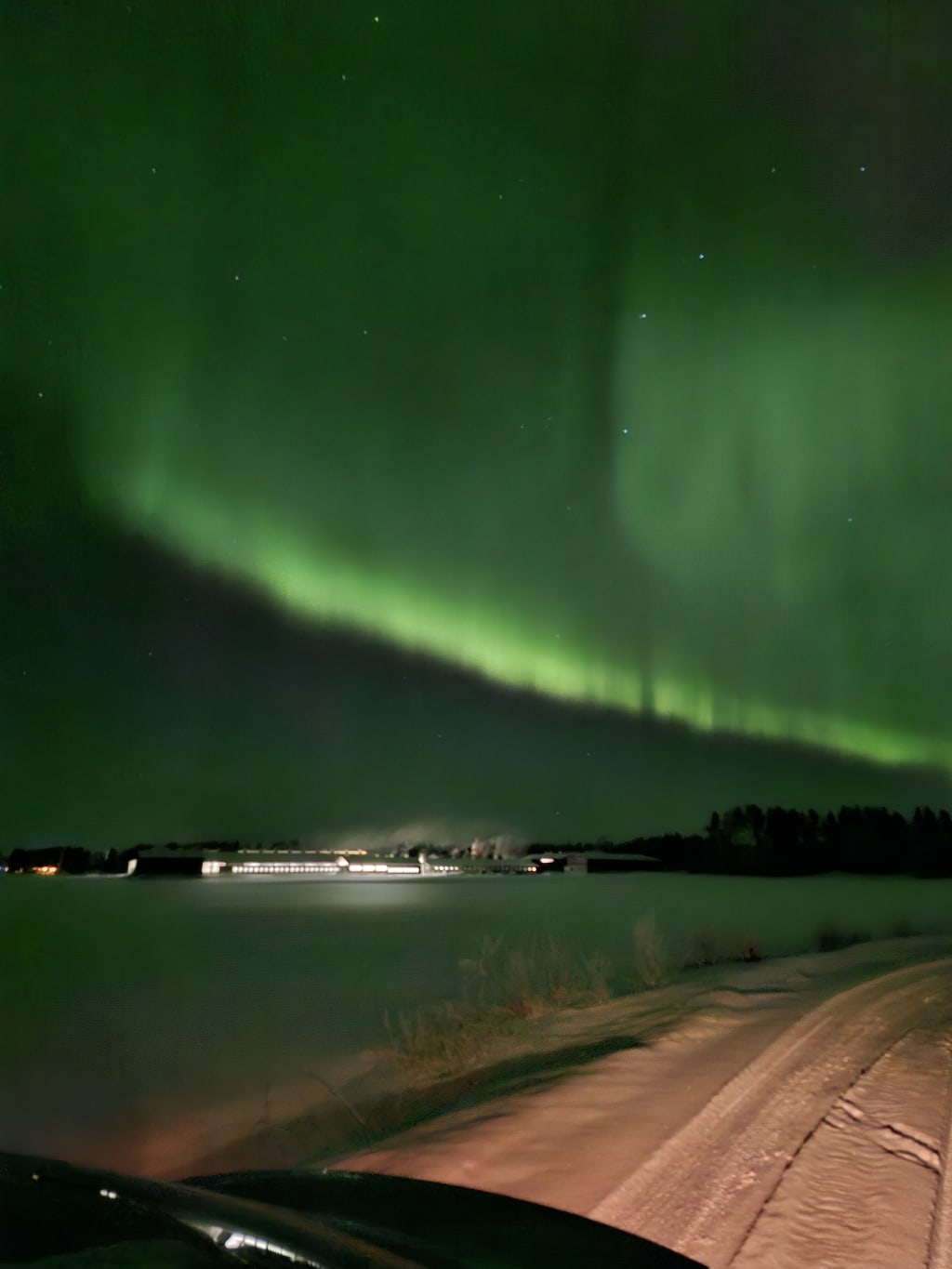
#### The Northern Lights: A Natural Spectacle The Northern Lights, scientifically known as the aurora borealis, are one of nature’s most mesmerizing phenomena. These vibrant displays of light in the night sky have captivated human imagination for centuries, evoking feelings of awe and wonder. This essay will explore the science behind the Northern Lights, their cultural significance, the best places to witness them, and some tips for viewing this breathtaking spectacle. ### Understanding the Science At the heart of the Northern Lights is a complex interaction between the Earth’s atmosphere and solar wind. The sun emits a continuous stream of charged particles, known as solar wind, which travels through space. When these particles reach Earth, they encounter the planet’s magnetic field and atmosphere. The magnetic field acts as a protective shield, deflecting most of the solar wind. However, during periods of heightened solar activity, such as solar flares or coronal mass ejections, a greater number of charged particles penetrate the atmosphere. As these charged particles collide with gases in the Earth’s atmosphere, such as oxygen and nitrogen, they excite the atoms and molecules, causing them to release photons—particles of light. This release of light creates the beautiful colors associated with the auroras. **The most common colors are green and pink**, produced by oxygen at lower altitudes, while red and violet hues are created by oxygen at higher altitudes and nitrogen, respectively. The interplay of these colors creates the stunning visual displays that dancers across the sky. ### Cultural Significance Throughout history, the Northern Lights have held significant cultural importance for various indigenous peoples and civilizations. For example, the Sámi people of northern Scandinavia believed that the lights were spirits of their ancestors or the souls of the departed. They viewed the auroras as a bridge between the living and the dead, often incorporating them into their folklore and spiritual practices. Similarly, in Inuit mythology, the Northern Lights were thought to be the spirits of animals, such as seals and salmon, dancing in the sky. In modern culture, the Northern Lights continue to inspire art, literature, and tourism. They are often depicted in paintings, photographs, and even music, symbolizing beauty and the mysteries of the natural world. Travelers from around the globe flock to northern latitudes to witness this natural wonder, and it has become a bucket-list experience for many. ### Best Places to Witness the Northern Lights To experience the Northern Lights, one must travel to regions close to the Arctic Circle, where the phenomenon is most visible. Some of the best locations include: 1. **Tromsø, Norway**: Known as the "Gateway to the Arctic," Tromsø is one of the top spots for aurora viewing. Its location above the Arctic Circle and relatively mild coastal climate make it an ideal destination. 2. **Reykjavik, Iceland**: Iceland’s rugged landscape and minimal light pollution provide excellent conditions for observing the auroras. The nearby Thingvellir National Park offers a stunning backdrop for viewing the lights. 3. **Fairbanks, Alaska**: Fairbanks is renowned for its clear skies and northern latitude, making it a prime location for aurora viewing. The city also hosts various aurora-related activities, such as dog sledding and hot springs. 4. **Yellowknife, Canada**: Known for its “Aurora Zone,” Yellowknife offers some of the most consistent aurora sightings in the world. The city’s cold, clear nights and open skies provide optimal viewing conditions. 5. **Lapland, Finland**: The Finnish Lapland region, particularly around Rovaniemi, is another excellent location for aurora viewing. Visitors can also enjoy unique experiences like staying in glass igloos or ice hotels. ### Tips for Viewing the Northern Lights To increase your chances of witnessing the Northern Lights, consider the following tips: - **Check the Forecast**: Monitor aurora forecasts, which predict the likelihood of auroral activity based on solar wind conditions. Websites and apps dedicated to aurora tracking can provide real-time updates. - **Choose the Right Time**: The best time to view the Northern Lights is during the winter months when nights are longer and skies are darker. Late evening to early morning hours tend to offer the best opportunities. - **Find a Dark Location**: Light pollution can obscure the visibility of the auroras. Seek out remote areas away from city lights to maximize your viewing experience. - **Be Patient**: The Northern Lights are unpredictable, and it may take time to see them. Dress warmly and be prepared to wait, as the lights can appear suddenly and without warning. - **Capture the Moment**: If you want to photograph the auroras, use a sturdy tripod and a camera capable of long exposures. Experiment with different settings to capture the vibrant colors and movement of the lights. ### Conclusion The Northern Lights are a breathtaking natural phenomenon that continues to inspire and captivate people around the world. Their stunning displays of color and light are not only a scientific wonder but also a cultural treasure. By understanding the science behind the auroras, appreciating their cultural significance, and knowing the best places and tips for viewing them, anyone can embark on an unforgettable journey to witness this mesmerizing spectacle. As we look to the skies and behold the dance of the Northern Lights, we are reminded of the beauty and mystery that nature has to offer.
About the Creator
Enjoyed the story? Support the Creator.
Subscribe for free to receive all their stories in your feed.
Comments
There are no comments for this story
Be the first to respond and start the conversation.