
The Most Dangerous Places on Earth: A Journey into the Extreme
Where Nature Forbids Human Survival

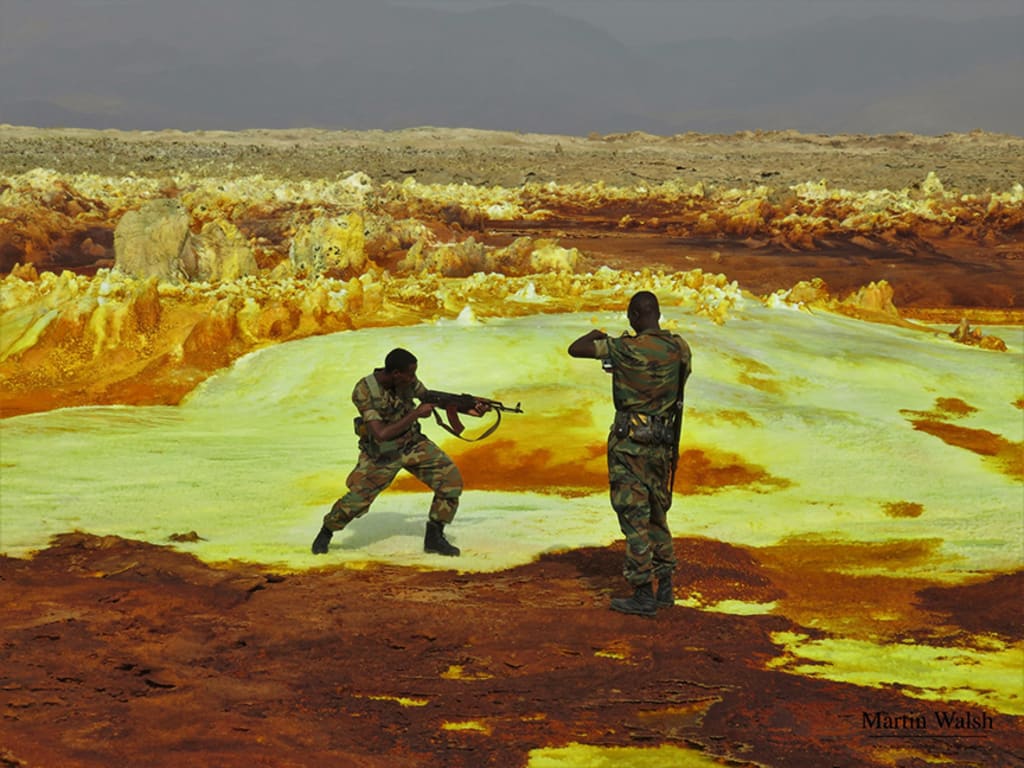
Our planet is a beautiful oasis in the vastness of space, but it is also home to some of the most unforgiving, hostile, and downright lethal environments imaginable. From scorching deserts that can bake a human alive in hours, to freezing tundras, highly radioactive zones, and islands infested with deadly predators, these locations test the very limits of biological survival. We humans are a race defined by perseverance, often drawn to the world’s most extreme fringes out of scientific curiosity, resource extraction, or the sheer thrill of exploration. Yet, these places remain fundamentally incompatible with human life.
In this comprehensive exploration, we will journey across continents to uncover the most dangerous places on Earth. We will examine the unique geological, climatic, and biological factors that make these environments so treacherous, and discover the remarkable (and sometimes terrifying) ways in which nature has adapted to thrive where humans cannot.
1. The Danakil Depression, Ethiopia: The Gateway to Hell
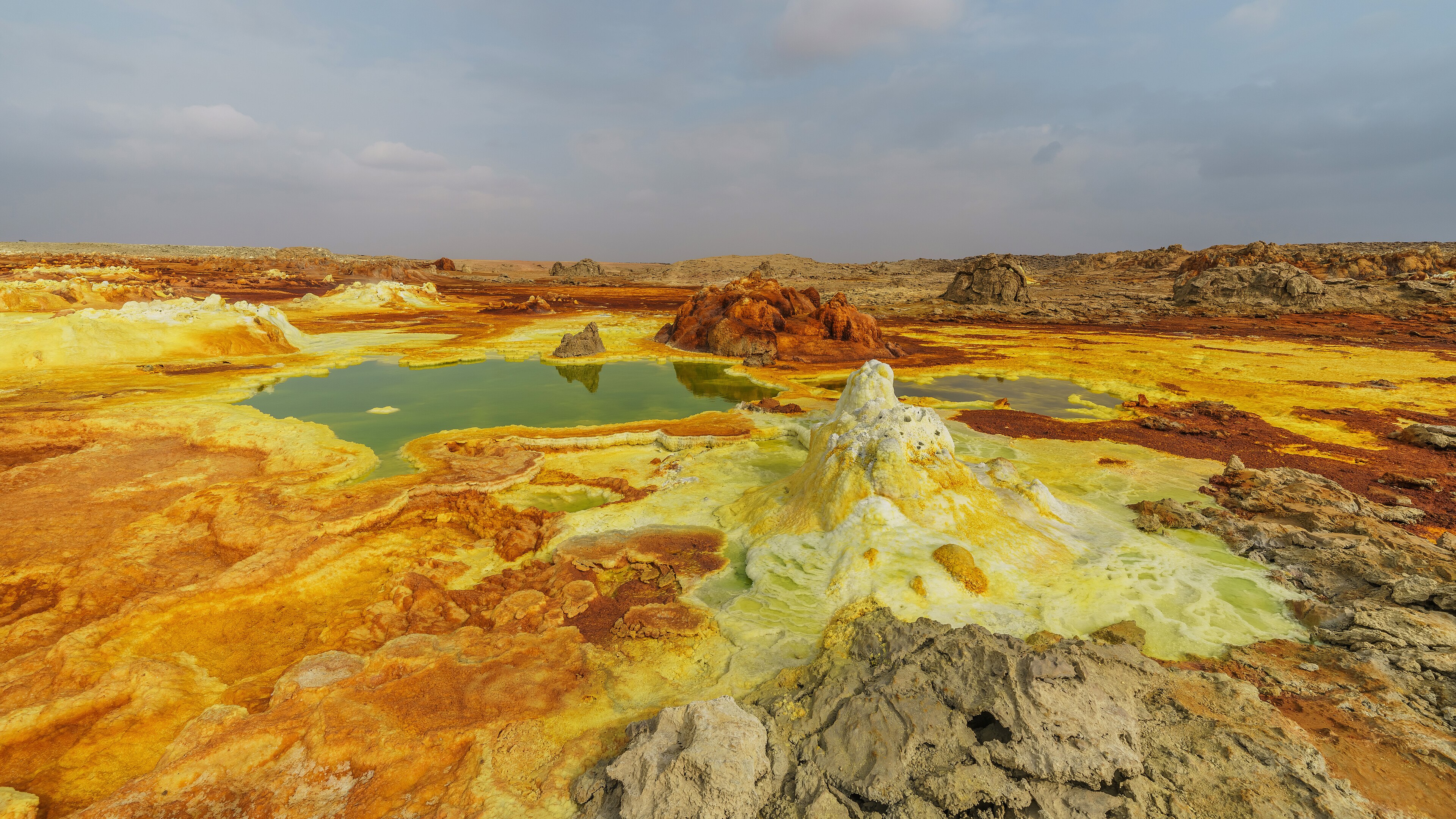
Situated in the Afar Region of northern Ethiopia, near the border with Eritrea, the Danakil Depression is routinely described as one of the most alien and hostile landscapes on the planet. Formed by the divergence of three tectonic plates in the Horn of Africa, this geological depression sits roughly 125 meters (410 feet) below sea level.
Extreme Heat and Toxic Air
The Danakil is famous for holding the record for the highest average year-round temperature. It is a place where daytime temperatures regularly exceed 50°C (122°F), baking the cracked, salt-crusted earth. But the heat is only the beginning. The region is highly volcanically active, featuring bubbling lava lakes, such as the one at Erta Ale, and vast hydrothermal fields of dazzling but deadly neon-colored hot springs.
The air itself is a hazard. Volcanic fissures vent poisonous hydrogen sulfide and dangerous concentrations of carbon dioxide. Because carbon dioxide is heavier than air, it settles into invisible, suffocating pools in low-lying areas. It is not uncommon to find the preserved carcasses of birds and small mammals that inadvertently flew or wandered into these toxic pockets and suffocated. Even the acidic hot springs, colored in vibrant yellows and greens by sulfur and iron salts, have a pH level capable of dissolving clothing and burning skin.
Despite these apocalyptic conditions, life persists. The Afar people have lived in the region for centuries, enduring the brutal climate to mine the extensive salt deposits by hand, transporting them via camel caravans. Furthermore, extremophile microbes thrive in the hyper-saline, highly acidic pools, offering scientists a glimpse into how life might survive on other planets, such as Mars or Venus.
2. Ilha da Queimada Grande, Brazil: Snake Island
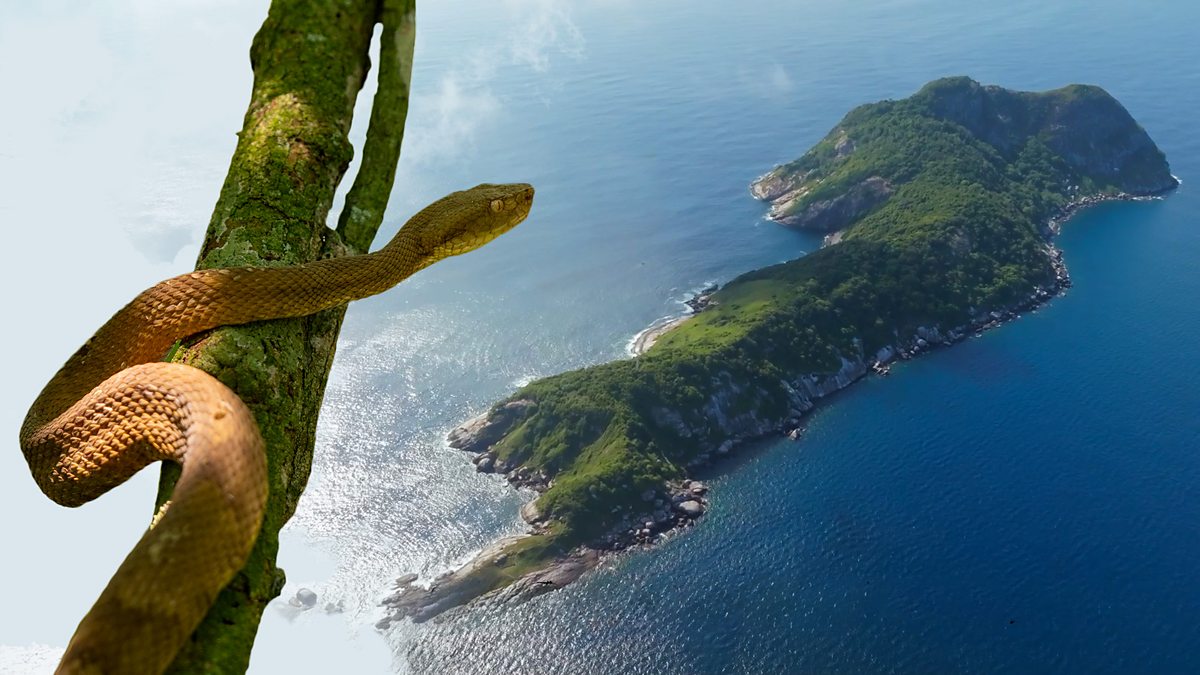
About 33 kilometers off the coast of São Paulo State, Brazil, lies a small, rocky island shrouded in dense rainforest. To the untrained eye, Ilha da Queimada Grande looks like a pristine, tropical paradise. In reality, it is a deadly sanctuary where humans are strictly forbidden to set foot.
The Realm of the Golden Lancehead
The island is the only natural habitat of the critically endangered Golden Lancehead Viper (Bothrops insularis). Cut off from the mainland at the end of the last Ice Age when sea levels rose, the snakes on this island adapted to their isolated environment in a horrifyingly effective way. With no ground-dwelling mammals to prey upon, the vipers evolved to hunt migratory birds that use the island as a resting point.
Because a bitten bird could simply fly away and die over the ocean, the Golden Lancehead developed an incredibly potent, fast-acting venom. Its venom is estimated to be three to five times stronger than that of any mainland snake, capable of melting human flesh and causing renal failure, brain hemorrhages, and rapid necrosis.
The density of the snake population is staggering. It is estimated that there are between 2,000 and 4,000 golden lancehead vipers on the 106-acre island—averaging roughly one deadly snake for every square meter in some areas. The danger is so extreme that the Brazilian Navy has closed the island to the public. The only humans allowed to visit are maintenance personnel to service the automated lighthouse and select scientists who must be accompanied by medical professionals carrying anti-venom.
3. Death Valley, United States: The Furnace of the World
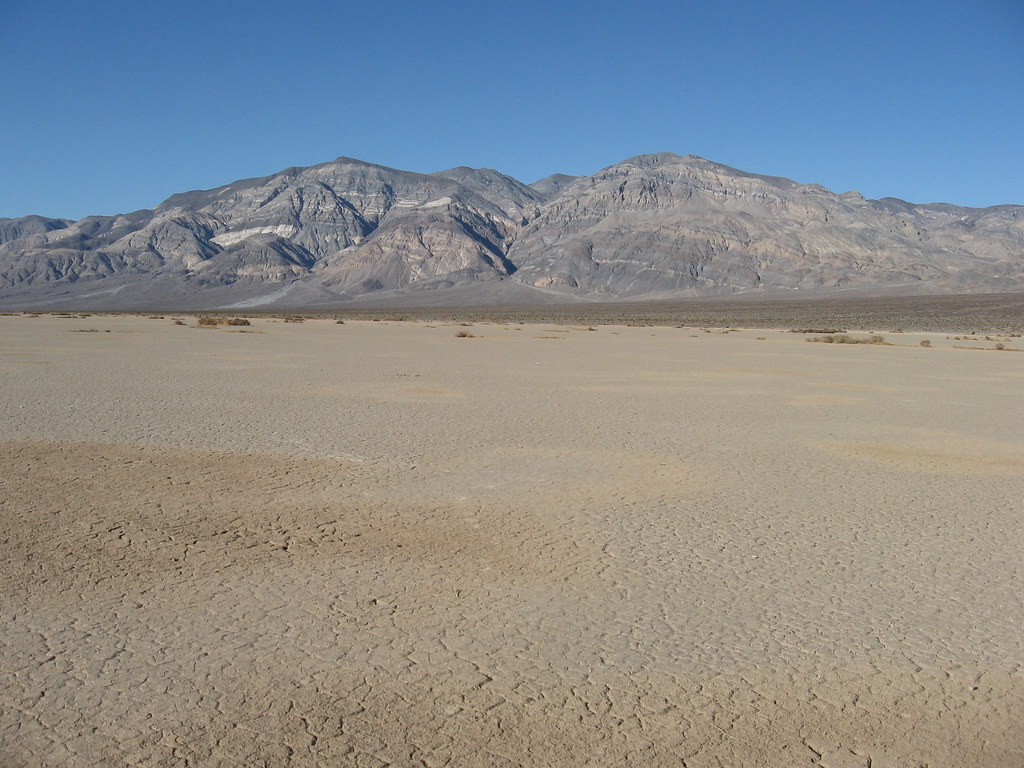
Death Valley, located in eastern California within the Mojave Desert, is synonymous with extreme heat and desolation. It is the lowest, driest, and hottest location in North America.
Breaking the Thermometer
On July 10, 1913, the Furnace Creek area of Death Valley recorded a searing air temperature of 56.7°C (134°F), which remains the highest officially recorded ambient air temperature on Earth. The ground temperature can be even more staggering; measurements have exceeded 93°C (200°F), hot enough to literally fry an egg or melt the soles of a hiker's shoes.
The geography of Death Valley perfectly traps heat. The deep, narrow basin is surrounded by steep mountain ranges. Sunlight bakes the desert floor, and the heated air rises, only to be trapped by the high canyon walls, cooled slightly, and forced back down to the valley floor, where it is compressed and heated even further.
The sheer lack of water is another fatal factor. The region receives an average of less than two inches of rain annually. Hikers who underestimate the environment can succumb to heatstroke and severe dehydration within hours. Yet, paradoxically, when rain does fall, the baked, impermeable ground cannot absorb it, leading to violent, sudden flash floods that can sweep away vehicles and carve new canyons overnight.
4. Lake Natron, Tanzania: The Petrifying Waters
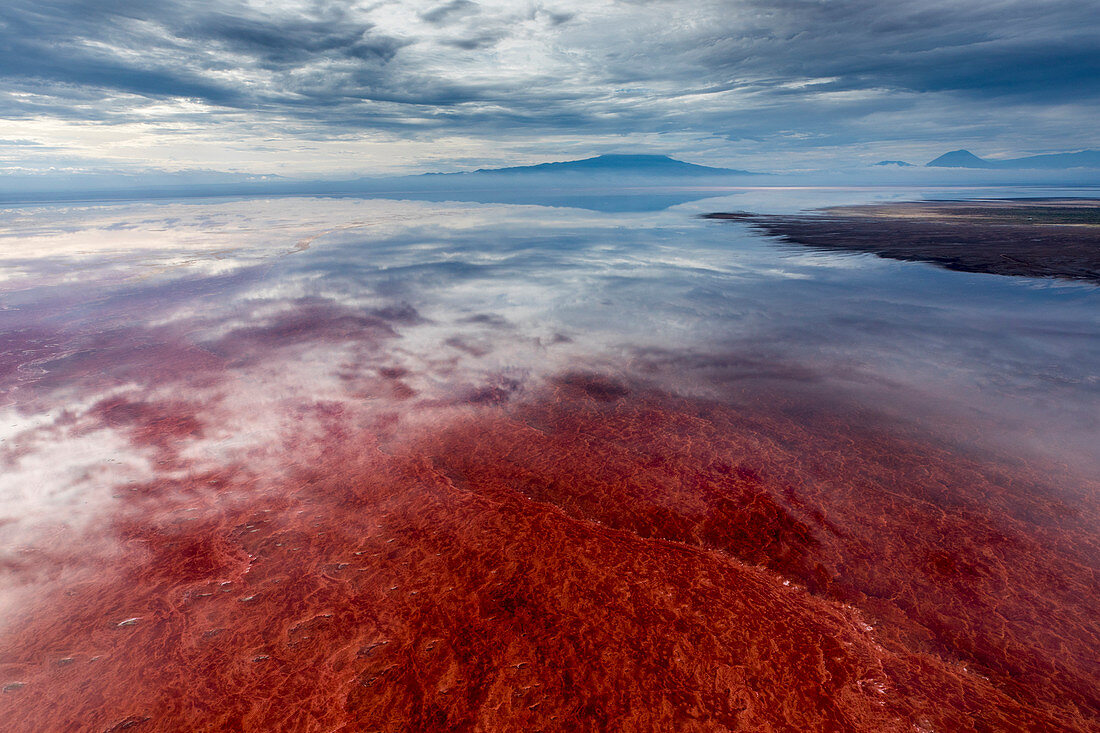
Located in northern Tanzania, near the Kenyan border, Lake Natron is a shallow salt and soda lake renowned for its striking, blood-red color. But this visually stunning body of water is one of the deadliest lakes in the world for most forms of life.
A Caustic Environment
Lake Natron is fed by mineral-rich hot springs, but it has no outlet to the sea. The water simply evaporates in the intense African sun, leaving behind highly concentrated levels of natron (sodium carbonate decahydrate) and trona. This makes the lake incredibly alkaline, with a pH that can exceed 12—almost as caustic as pure ammonia.
The water temperature can reach 60°C (140°F), and its chemical composition is so harsh that it can strip ink off printed materials and severely burn the skin and eyes of animals that are not adapted to it. When birds and bats misjudge the glassy surface of the lake and crash into it, the highly alkaline water calcifies their remains, essentially turning them into eerie, stone-like statues over time.
Yet, Lake Natron is not entirely devoid of life. The striking red color comes from salt-loving microorganisms called haloarchaea. Amazingly, it is also the primary breeding ground for over 2.5 million Lesser Flamingos. These birds have evolved tough, leathery skin on their legs to withstand the caustic water, and they feed on the lake's algae, which gives them their pink plumage.
5. The Skeleton Coast, Namibia: The Gates of Hell
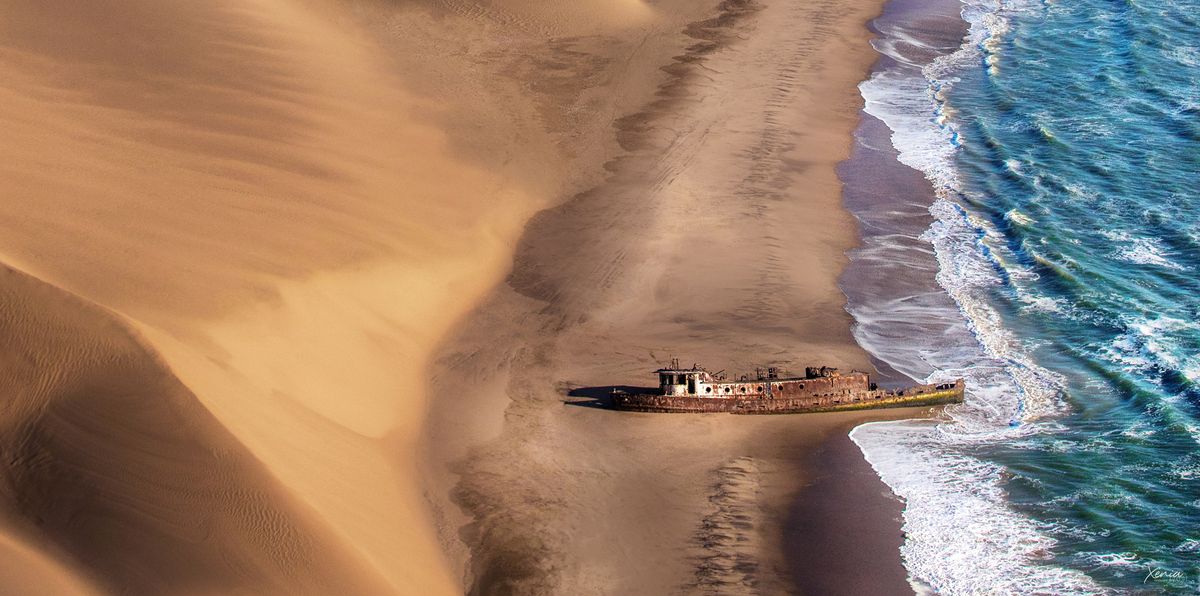
Stretching across the northern part of Namibia's Atlantic coast, the Skeleton Coast is a place of stark, haunting beauty and immense danger. Indigenous Bushmen refer to it as "The Land God Made in Anger," while Portuguese sailors simply called it "The Gates of Hell."
Where the Desert Meets a Violent Ocean
This hostile region is characterized by immense, towering sand dunes that march directly into the freezing, turbulent waters of the Atlantic Ocean. The danger here arises from a lethal combination of dense ocean fogs (caused by the cold Benguela Current meeting the hot desert air), violent surf, and unpredictable crosscurrents.
For centuries, these treacherous conditions have spelled doom for passing ships. The coastline is littered with the rusting, skeletal remains of hundreds of shipwrecks, alongside the bleached bones of whales and seals. For any sailors unfortunate enough to survive a shipwreck here, salvation was an illusion. Finding themselves washed ashore, they were faced with an impassable, waterless desert stretching for hundreds of miles inland. The isolation, heat, and lack of fresh water meant that survival was practically impossible.
6. Mount Washington, United States: Extreme Winter Weather
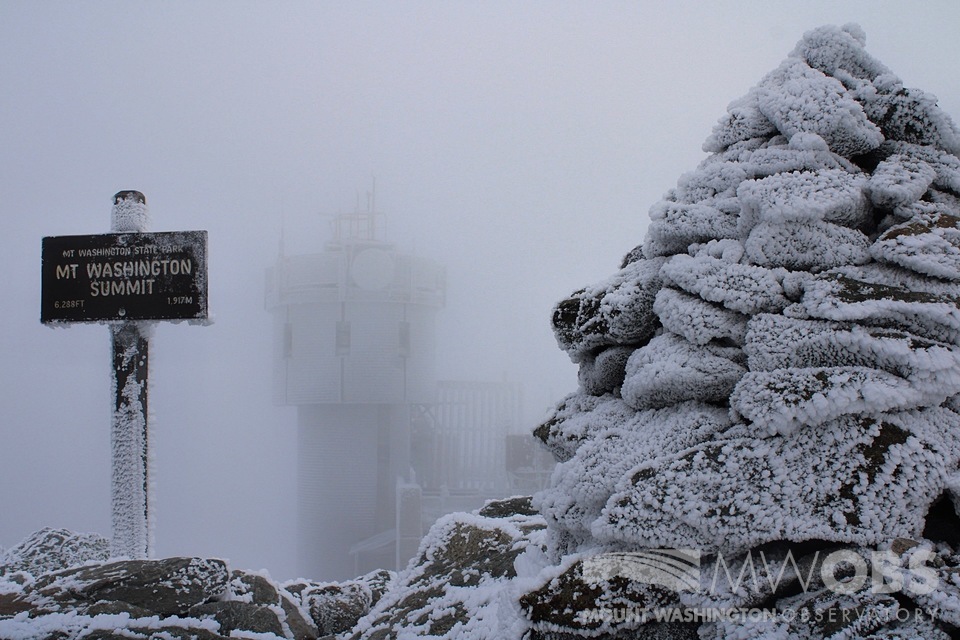
When discussing dangerous mountains, Mount Everest and K2 naturally come to mind. But Mount Washington in New Hampshire, USA, earns its spot on this list for a different reason: it boasts some of the most erratic, violent, and extreme weather on the planet.
The Wind Tunnel of the East
Standing at an elevation of only 1,917 meters (6,288 feet), Mount Washington seems relatively unassuming. However, its geographic location places it squarely in the path of several major storm tracks crossing the North American continent. The mountain's topography forces these converging weather systems up and over the peak, creating a massive natural wind tunnel.
For nearly 62 years, the Mount Washington Observatory held the world record for the highest wind speed ever recorded on the surface of the Earth: a staggering 231 mph (372 km/h) measured in 1934. The mountain experiences hurricane-force winds on average 110 days a year. Combined with sub-zero temperatures and heavy snowfall, the wind chill on the summit can drop to lethal extremes in minutes, frequently catching unprepared hikers off guard and claiming numerous lives.
7. The Chernobyl Exclusion Zone, Ukraine: The Invisible Threat
Not all of Earth's most dangerous places are entirely natural. The Chernobyl Exclusion Zone stands as a grim monument to human error and the terrifying power of nuclear energy.
A Radioactive Legacy
Following the catastrophic explosion of the Number 4 reactor at the Chernobyl Nuclear Power Plant in 1986, an unprecedented amount of radioactive material was spewed into the atmosphere. Today, a 2,600-square-kilometer (1,000-square-mile) exclusion zone remains in place around the plant.
While nature has reclaimed the abandoned city of Pripyat—turning it into an eerie, overgrown wilderness populated by wolves and wild horses—the danger is silent and invisible. The soil, water, and vegetation remain contaminated with deadly isotopes like Strontium-90 and Cesium-137. Certain "hotspots," such as the infamous Red Forest, contain lethal doses of radiation that will remain hazardous for tens of thousands of years. A brief exposure in the wrong location can result in severe radiation sickness or vastly increased risks of cancer.
8. La Rinconada, Peru: The Highest and Harshest City
Perched high in the Peruvian Andes at an elevation of 5,100 meters (16,700 feet), La Rinconada holds the title of the highest permanent human settlement on Earth. It is a place that pushes the human body to the absolute brink.
Mining for Survival in Thin Air
At this extreme altitude, the atmosphere contains only about half the oxygen available at sea level. Visitors often suffer from acute mountain sickness, struggling to breathe and experiencing crippling headaches and nausea. The residents live in perpetual sub-freezing temperatures, surrounded by glaciers.
Yet, over 30,000 people endure these agonizing conditions because of one thing: gold. La Rinconada is an illegal gold mining boomtown. The danger of the altitude is compounded by the severe lack of infrastructure—there is no running water or sanitation system. Furthermore, the artisanal mining processes rely heavily on mercury to extract the gold, leading to severe mercury poisoning among the population and devastating ecological contamination.
Conclusion: Respecting the Extremes
From the venomous jungles of a secluded Brazilian island to the freezing, hurricane-force winds of Mount Washington, the most dangerous places on Earth remind us of our fragility. They are environments defined by extremes—too hot, too cold, too toxic, or too remote. While modern technology and human determination have allowed us to temporarily explore or even inhabit some of these regions, they remain fundamentally hostile.
These extreme landscapes are not just cautionary tales; they are vital parts of our planet's complex geological and ecological systems. They challenge our understanding of biology, test our resilience, and demand a profound respect for the raw, untamed power of the natural world.
The Most Dangerous Places on Earth Nobody Believes Exist
This documentary offers incredible 4K footage that visually complements the extreme landscapes and isolated settlements discussed above, highlighting how humans adapt to environments that seem impossible to inhabit.
About the Creator
Michael Mitch
Your go-to guide for the ultimate Top 10s! I take completely random topics and find the absolute best they have to offer. Expect the unexpected.
Enjoyed the story? Support the Creator.
Subscribe for free to receive all their stories in your feed.
Comments
There are no comments for this story
Be the first to respond and start the conversation.