
THE MASTERS OF MIMICRY
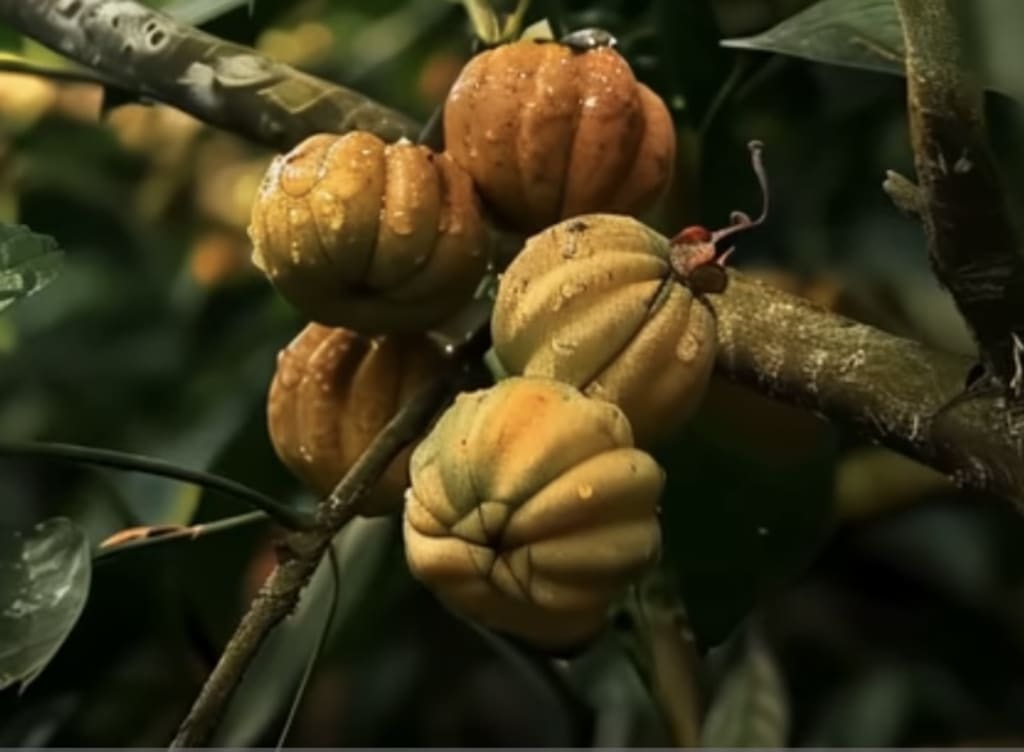
The fruits of the sandbox tree may look delicious, but they are actually poisonous. The tree is gigantic, reaching up to 200 ft tall, and stays green all year round. It grows in tropical regions like the Amazon rainforest and parts of Africa. Every part of the tree, including the bark, leaves, and seeds, is poisonous. The tree is covered in small conical studs, giving it an unfriendly appearance. Its fruits, resembling small pumpkins, burst open when ripe and shoot seeds out at high speeds. Despite its toxicity, the sandbox tree's wood is lightweight and useful for making canoes, furniture, biodiesel, and soap. The holly tree, known for its red berries used in Christmas decorations, has been around since before the dinosaurs. Different types of holly trees have adapted to various environments, with some species now extinct. While birds can eat holly berries, they are toxic and potentially lethal for humans.
Berries are actually a type of fruit called drupes, which come in various colors like red, brown, black, and sometimes green or yellow. Some trees, like the Manchineel tree, are very dangerous and have warning signs. Eating the fruit of the Manchineel tree can cause throat discomfort and stomach problems due to its toxic nature. Touching the tree can also cause burns and blisters. The Jatropha fruit, which looks like an apricot, is known as the "black vomit nut" and can cause throat and stomach pain, difficulty breathing, and even loss of consciousness. The Jatropha plant is originally from the Americas but is now found in tropical regions worldwide. In some places, people use the seeds of the Jatropha plant to make biodiesel. Some parts of the Jatropha plant can be edible, but it's important to be cautious when handling it. The leaves of some plants are shaped like hearts, while others have fruit that resembles pears. The fruit of the Pangium tree from Southeast Asia may look appealing, but the creamy pulp is not edible. It's essential to be aware of the potential dangers of consuming certain fruits and plants.
The seeds are used as seasoning in dishes, not eaten on their own. Cooking them is troublesome, requiring boiling and burying in ash and banana leaves for 40 days. Soaking or wrapping helps remove toxic chemicals. Once prepared, the seeds are healthy, packed with vitamin C and iron. They are used in various dishes in Indonesia, Malaysia, and Singapore. Native Americans boiled the nuts to remove the poison and used them for various purposes. The tree, known as Ohio buckeye or horse chestnut, is not the best for making things but is liked in Ohio.
There is a candy that looks like a nut dipped in peanut butter fudge and chocolate. It is popular during Christmas and college football season. Beware of poke berries, they are poisonous to people despite looking juicy and tempting. They come in clusters of purple-black grapes and the plant stands tall with purplish-pink stalks up to 8 ft high. Another dangerous plant is the Canada moon seed vine, which has fruits that resemble grapes but are harmful. Look for the unique crescent moon-shaped seed inside the fruit to distinguish it from grapes. In June, you may also find the American Bittersweet Vine in the forest.
The appearance of these plants can be quite eerie, particularly when found in the Eastern regions of the US and Canada. They typically bloom during the summer season. While some individuals cultivate these plants for their distinct appearance in gardens, it's important to note that they require specific conditions to thrive. When encountering unfamiliar plants, berries, or fruits, it's advisable to conduct online research for safety. That concludes our discussion for today. If you found the information intriguing, consider liking and sharing the video with your friends. For more content, simply click on the suggested videos and stay tuned for positivity.
About the Creator
Enjoyed the story? Support the Creator.
Subscribe for free to receive all their stories in your feed.
Comments
There are no comments for this story
Be the first to respond and start the conversation.