
The Looming Threat of Pollution:
Causes , Effects, and Solution Of Pollution
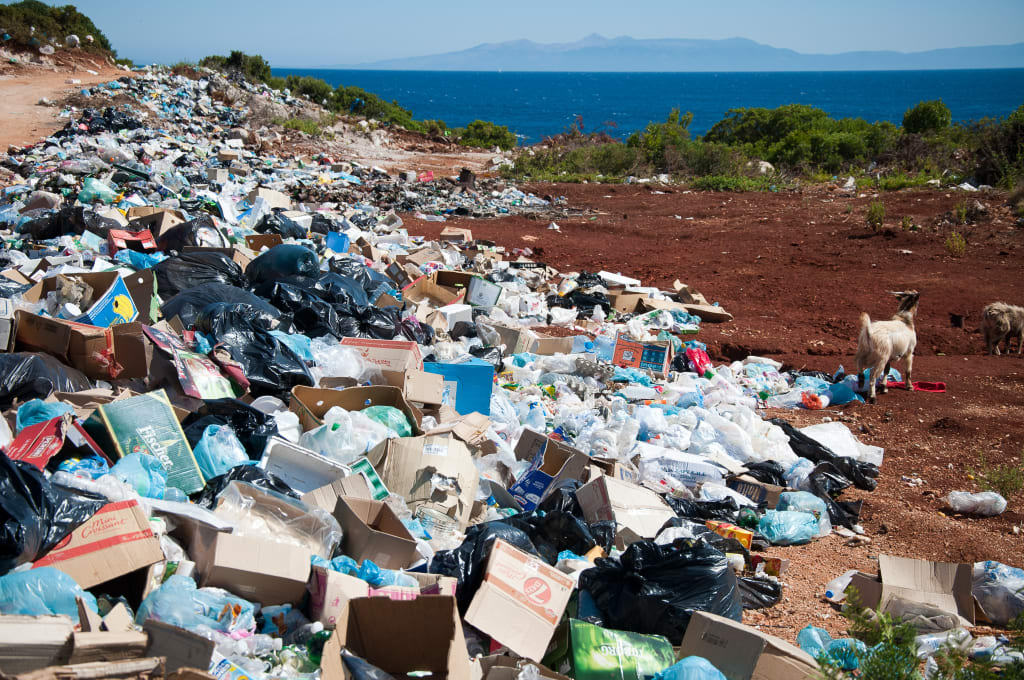
Pollution, an insidious menace, has infiltrated every corner of our planet, leaving a trail of ecological destruction in its wake. It encompasses various forms, including air, water, soil, and noise pollution, each posing severe threats to the delicate balance of our environment and the well-being of all living beings. As humanity continues to progress, the adverse consequences of pollution are becoming increasingly apparent. In this essay, we will explore the causes, effects, and potential solutions to this pressing issue that demands our immediate attention and concerted action.
Causes of Pollution:
Pollution stems from numerous human activities and natural phenomena. Industrialization, deforestation, vehicular emissions, improper waste disposal, and the burning of fossil fuels are key contributors to pollution. The uncontrolled release of toxic chemicals, greenhouse gases, and particulate matter into the atmosphere contributes to the degradation of air quality, causing respiratory illnesses and exacerbating climate change. Inadequate wastewater treatment and the dumping of hazardous substances into water bodies pollute our rivers, lakes, and oceans, imperiling marine life and contaminating our drinking water sources. Furthermore, the unregulated use of pesticides, fertilizers, and improper waste management practices pollute the soil, leading to soil degradation and loss of biodiversity.
Effects of Pollution:
The consequences of pollution are far-reaching and impact multiple facets of our lives. Air pollution, primarily caused by industrial emissions and vehicular traffic, leads to respiratory ailments such as asthma and lung cancer, while also exacerbating global warming and climate change. Water pollution not only contaminates our freshwater sources but also jeopardizes the health and well-being of aquatic organisms, disrupting entire ecosystems. Soil pollution affects agricultural productivity, as toxic substances seep into the soil, degrading its fertility and affecting crop yields. Additionally, noise pollution contributes to stress, hearing loss, and reduced overall quality of life for individuals in urban areas.
Solutions to Pollution:
Addressing pollution necessitates a multi-faceted approach that involves collective responsibility, innovative technologies, and stringent regulations. Governments must enact and enforce stringent environmental laws, encouraging industries to adopt cleaner production techniques and investing in renewable energy sources. Emphasizing sustainable transportation solutions, promoting public transportation, and encouraging the use of electric vehicles can significantly reduce air pollution. Furthermore, investing in advanced wastewater treatment facilities and promoting responsible waste disposal practices are crucial steps to mitigate water pollution. Encouraging organic farming, promoting afforestation, and adopting sustainable agricultural practices can help combat soil pollution. Lastly, raising awareness among individuals about the impact of their actions, promoting recycling and reducing consumption, and supporting environmental conservation initiatives can foster a culture of environmental stewardship.
Conclusion:
Pollution poses a formidable threat to the health of our planet and the well-being of all its inhabitants. The alarming rise in pollution levels demands immediate and concerted action from individuals, communities, governments, and industries alike. By embracing sustainable practices, investing in innovative technologies, and fostering a collective sense of responsibility, we can mitigate the adverse effects of pollution and safeguard our environment for future generations. The time for action is now, for only through our united efforts can we restore the delicate balance of nature and pave the way for a cleaner, healthier, and more sustainable future.
About the Creator
Enjoyed the story? Support the Creator.
Subscribe for free to receive all their stories in your feed.
Comments
There are no comments for this story
Be the first to respond and start the conversation.