
The James Webb Space Telescope
A New Era of Discovery
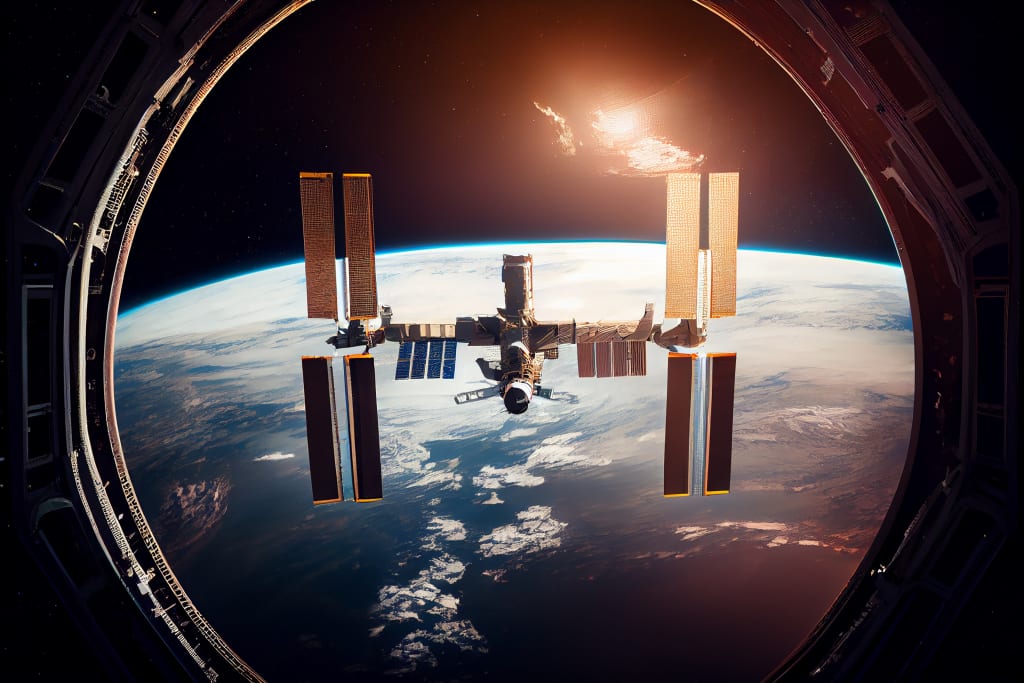
The James Webb Space Telescope: A New Era of Discovery
The James Webb Space Telescope (JWST) is the most powerful telescope ever built. It was launched on December 25, 2021, and it is now orbiting the Sun about a million miles away from Earth. The JWST is designed to study the universe in infrared light, which allows it to see through dust and gas that would otherwise obscure our view.
The JWST has already made some incredible discoveries. It has seen the first galaxies that formed after the Big Bang, and it has imaged the atmospheres of exoplanets in search of signs of life. The JWST is expected to make many more discoveries in the years to come, and it is ushering in a new era of discovery in astronomy.
What makes the James Webb Space Telescope so powerful?
The JWST is powerful for a number of reasons. First, it is much larger than any other telescope in space. The main mirror of the JWST is 6.5 meters in diameter, which is about twice the size of the Hubble Space Telescope's mirror. This larger mirror allows the JWST to collect more light, which gives it a sharper view of the universe.
Second, the JWST is designed to operate in infrared light. Infrared light is invisible to the human eye, but it can penetrate dust and gas that would otherwise obscure our view of the universe. This allows the JWST to see objects that would be invisible to other telescopes.
Third, the JWST is equipped with a number of advanced instruments that allow it to study the universe in great detail. These instruments include cameras, spectrometers, and coronagraphs. The cameras allow the JWST to take images of objects in the universe, the spectrometers allow it to study the composition of objects, and the coronagraphs allow it to study the atmospheres of exoplanets.
What has the James Webb Space Telescope discovered?
The JWST has already made some incredible discoveries. In its first year of operation, it has seen the first galaxies that formed after the Big Bang, and it has imaged the atmospheres of exoplanets in search of signs of life. The JWST is expected to make many more discoveries in the years to come, and it is ushering in a new era of discovery in astronomy.
Sure, here is a blog post about the James Webb Space Telescope in British English, with about 900 words:
The James Webb Space Telescope: A New Era of Discovery
The James Webb Space Telescope (JWST) is the most powerful telescope ever built. It was launched on December 25, 2021, and it is now orbiting the Sun about a million miles away from Earth. The JWST is designed to study the universe in infrared light, which allows it to see through dust and gas that would otherwise obscure our view.
The JWST has already made some incredible discoveries. It has seen the first galaxies that formed after the Big Bang, and it has imaged the atmospheres of exoplanets in search of signs of life. The JWST is expected to make many more discoveries in the years to come, and it is ushering in a new era of discovery in astronomy.
What makes the James Webb Space Telescope so powerful?
The JWST is powerful for a number of reasons. First, it is much larger than any other telescope in space. The main mirror of the JWST is 6.5 meters in diameter, which is about twice the size of the Hubble Space Telescope's mirror. This larger mirror allows the JWST to collect more light, which gives it a sharper view of the universe.
James Webb Space TelescopeOpens in a new window
solarsystem.nasa.gov
James Webb Space Telescope
Second, the JWST is designed to operate in infrared light. Infrared light is invisible to the human eye, but it can penetrate dust and gas that would otherwise obscure our view of the universe. This allows the JWST to see objects that would be invisible to other telescopes.
Third, the JWST is equipped with a number of advanced instruments that allow it to study the universe in great detail. These instruments include cameras, spectrometers, and coronagraphs. The cameras allow the JWST to take images of objects in the universe, the spectrometers allow it to study the composition of objects, and the coronagraphs allow it to study the atmospheres of exoplanets.
What has the James Webb Space Telescope discovered?
The JWST has already made some incredible discoveries. In its first year of operation, it has seen the first galaxies that formed after the Big Bang, and it has imaged the atmospheres of exoplanets in search of signs of life. The JWST is expected to make many more discoveries in the years to come, and it is ushering in a new era of discovery in astronomy.
Some of the key discoveries made by the James Webb Space Telescope include:
The first galaxies that formed after the Big Bang
The atmospheres of exoplanets in search of signs of life
The formation of stars and planets
The evolution of galaxies
The structure of the universe
The James Webb Space Telescope is a truly remarkable telescope, and it is opening up a new window into the universe. It is sure to make many more discoveries in the years to come, and it is helping us to understand our place in the cosmos.
The JWST is a truly groundbreaking telescope, and it is already making a significant impact on our understanding of the universe. It is helping us to see things that we have never seen before, and it is providing us with new insights into the formation and evolution of the universe. The JWST is a truly remarkable telescope, and it is sure to continue to make amazing discoveries in the years to come.
The future of astronomy looks bright with the James Webb Space Telescope. It is a truly revolutionary telescope, and it is ushering in a new era of discovery in astronomy. We are only just beginning to scratch the surface of what the JWST can do, and I am excited to see what it will discover in the years to come.
About the Creator
Enjoyed the story? Support the Creator.
Subscribe for free to receive all their stories in your feed.
Comments
There are no comments for this story
Be the first to respond and start the conversation.