
The Island of Gems!!
"Zabargad, Where Peridot Meets Adventure"

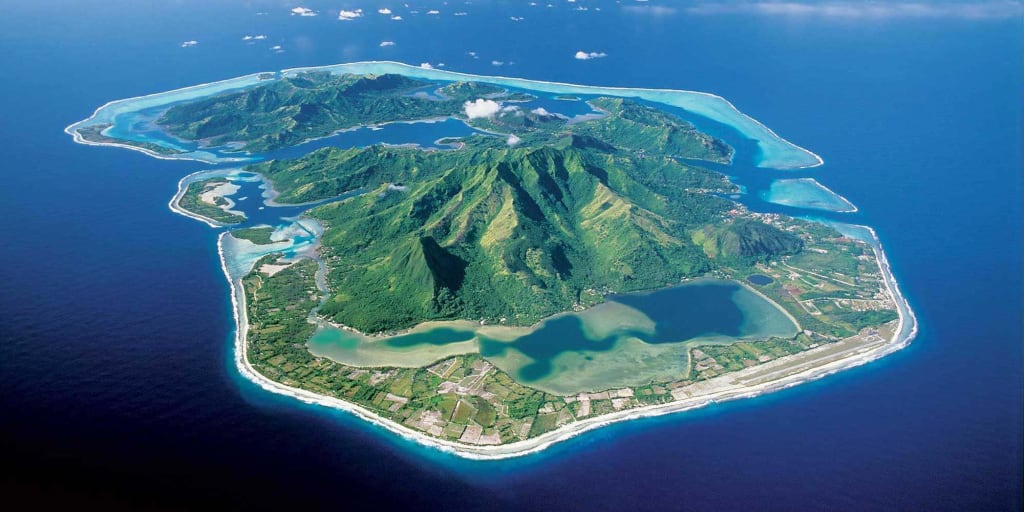
Imagine sailing the open seas, following the trail drawn on an ancient treasure map. You sail the charted course towards an island depicted as a giant gemstone. Your ship reaches the shore, and you scour the beach looking for that X marking the spot. But it doesn't take long for you to realize that the treasure here isn't a buried trove of gemstones - it's the place itself. The whole island is made of gems.
Okay, that's a bit of an exaggeration. But the island of Zabargad in the Red Sea really is largely composed of rock that contains peridot. Yes, I said "peridot." Now you might be thinking that I'm saying it wrong, but it's correct to say either "peri-dot" or "peri-doh." Promise. Peridot is the gemstone-quality version of olivine. Olivine is a major component of the Earth's upper mantle, and when geologic activity pushes that magma upwards, it can reach the surface, Which is exactly how we ended up with Zabargad, our island of gemstones.
Zabargad: A Tiny Gem in the Red Sea
Zabargad is a tiny island, with the whole thing measuring between 4.5 and 5 square kilometers in size. There's almost nothing living on the island, and there are no sources of fresh drinking water. But what it lacks in wildlife, it makes up for with a whole lot of peridot. This island formed during the Tertiary period, somewhere between 13 million and 65 million years ago. Actually, it may have been part of the activity that created the East African Rift Valley, which is also known for being the cradle of humankind!
Despite its tiny footprint, Zabargad built up quite the reputation through the years. The ancient Greeks named the island Topazios for its gemstones, which they called topaz. That word was later assigned to a different gem than peridot. But they were right to think of this place as basically synonymous with these stones. It's likely that Zabargad peridot were the first ones ever found by humans, and it was a major source of the gems for hundreds of years. Not only that, but the largest peridot ever found came from Zabargad, weighing a whopping 311 carats.
Zabargad's Gemstone Foundations
Now, like I said before, Zabargad isn't literally made of gems. But the majority of it is peridotite, which is an igneous rock that contains olivine, among other things. And geologists will even categorize the types of peridotite by how much olivine is in the sample, relative to the other minerals. While peridotite is a major component of the upper mantle, it can't exist any deeper than that because the pressure will end up transforming the peridot inside it into a different mineral. And since it's so common in the Earth's mantle, it's not unique to Zabargad. We find peridotite and peridot stones all over the world. Including Peridot Mesa in Arizona, which is where the SciShow Geology Department found this month's Rocks Box specimen!
Each Rocks Box subscriber will receive a chunk of peridot in basalt rock from that site. Our samples were all ethically mined by tribal members on the San Carlos reservation, where Peridot Mesa is located. So you can feel good about admiring these pieces of geological history and thinking about their connection to a tiny island in the Red Sea.
If you're interested in becoming a Rocks Box subscriber and exploring the geological wonders of Zabargad and beyond, head to SciShow.Rocks to learn more.
In conclusion, the island of Zabargad in the Red Sea may not be a literal gem, but its unique composition of peridotite has made it a gem in the world of geology. Its history, connection to ancient treasure tales, and the abundance of peridot on this tiny island make it a fascinating and unforgettable destination for gemstone enthusiasts and adventure seekers alike.
About the Creator
Enjoyed the story? Support the Creator.
Subscribe for free to receive all their stories in your feed.
Comments
There are no comments for this story
Be the first to respond and start the conversation.