
The Importance of Roof Heat Proofing: A Smart Investment for Comfort and Energy Efficiency
Key Benefits of Roof Heat Proofing

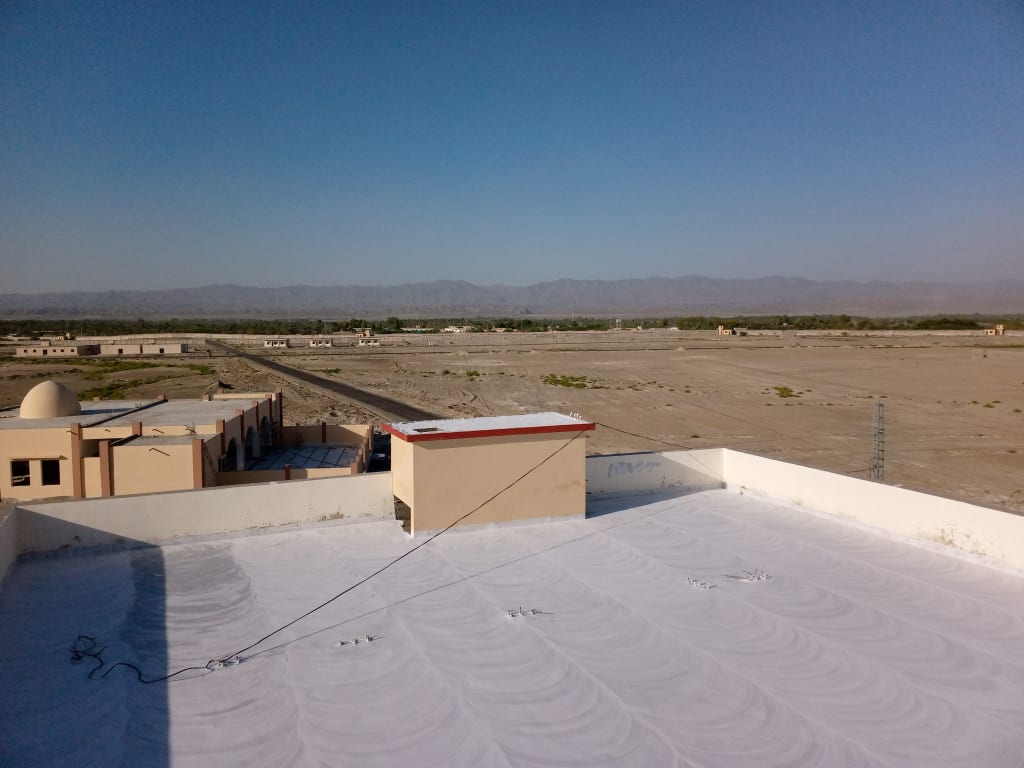
As temperatures continue to rise globally, homeowners and businesses are searching for practical solutions to combat excessive heat. One of the most effective ways to maintain indoor comfort, reduce energy consumption, and enhance the longevity of your property is through roof heat proofing. This innovative technique not only keeps your building cooler but also brings long-term financial and environmental benefits.
Understanding Roof Heat Proofing
Roof heat proofing involves applying a specialized coating or material to the roof surface to reduce heat absorption. This method is particularly beneficial in regions experiencing extreme summers, where direct exposure to sunlight can make indoor spaces unbearably hot. By reflecting sunlight and minimizing heat penetration, a properly treated roof can lower indoor temperatures by several degrees.
1. Significant Reduction in Indoor Temperature
A heat-proofed roof can decrease indoor temperatures by 7–10°C, depending on the material used and the local climate. This cooling effect creates a more comfortable living and working environment, reducing the need for excessive air conditioning.
2. Lower Energy Bills
By reducing heat absorption, roof heat proofing minimizes the reliance on air conditioning, leading to lower electricity consumption. This translates to substantial savings on energy bills, making it a cost-effective investment over time.
3. Enhanced Roof Durability
Constant exposure to extreme heat can cause roofing materials to expand and contract, leading to cracks and wear over time. Heat-proof coatings protect the roof from thermal stress, increasing its lifespan and reducing maintenance costs.
4. Eco-Friendly Solution
Reducing the use of air conditioning means lower carbon emissions, contributing to a more sustainable environment. Many heat-proofing solutions use water-based, non-toxic coatings, making them safe for both humans and nature.
5. Improved Property Value
A building equipped with heat-proofing solutions is more attractive to potential buyers or tenants. Energy-efficient homes and offices are highly desirable in today’s real estate market, giving your property an edge over others.
Best Roof Heat Proofing Methods
There are several roof heat proofing techniques available, and the best choice depends on your budget and specific needs:
- Heat Reflective Coatings: These coatings use advanced reflective technology to block UV rays and reduce heat absorption.
- White or Cool Roofs: Light-colored roofs reflect more sunlight than darker ones, keeping buildings naturally cooler.
- Insulation Sheets: Installing insulated roofing sheets provides an additional layer of thermal protection.
- Green Roofs: Planting vegetation on roofs absorbs heat, enhances insulation, and improves air quality.
Who Should Consider Roof Heat Proofing?
Roof heat proofing is ideal for residential, commercial, and industrial buildings. It is especially beneficial for:
- Homeowners looking to reduce summer heat without heavy AC usage.
- Businesses aiming to cut operational energy costs.
- Industrial facilities requiring controlled indoor temperatures for equipment and materials.
- Schools and hospitals where maintaining a cool environment is essential for comfort and safety.
How to Get Started with Roof Heat Proofing
If you're considering heat proofing for your roof, follow these steps:
- Assess Your Roof: Identify areas that receive direct sunlight and determine if any damage needs repair before applying heat-proofing solutions.
- Choose the Right Solution: Based on your budget and requirements, select a heat-proofing technique that suits your property.
- Hire Professionals: To ensure proper application and maximum effectiveness, work with experienced roof heat proofing experts.
- Regular Maintenance: Periodically check the condition of your heat-proofed roof and reapply coatings as needed to maintain efficiency.
Final Thoughts
Investing in roof heat proofing is a wise decision for those seeking long-term energy efficiency and indoor comfort. It not only lowers temperatures but also reduces electricity bills, enhances property durability, and promotes a greener environment. As global temperatures continue to rise, now is the perfect time to adopt sustainable cooling solutions.
About the Creator
Abdul Samad Karar
Structural Engineer
Enjoyed the story? Support the Creator.
Subscribe for free to receive all their stories in your feed.
Comments
There are no comments for this story
Be the first to respond and start the conversation.